Deviated Septum Repair Cost: How Much Does Surgery Cost?
If you’re researching deviated septum repair cost, you’re usually trying to answer two practical questions: How much does septoplasty cost, and what will I actually pay after insurance? One challenge is that “septum repair” is a lay term that can refer to different procedures—most commonly septoplasty (functional) or septorhinoplasty (functional plus cosmetic)—and total price depends on facility fees, anesthesia, case complexity, and your insurance benefits.
Below is a clear, patient-friendly breakdown of typical ranges, what drives them up or down, and how to get a realistic estimate—without guessing.
Quick answer (price ranges at a glance)
Typical U.S. self-pay range for isolated septoplasty: commonly reported around $3,000–$10,000, depending on region, facility, and what’s included. (Sources: Emre Ilhan, 2025; Sleep & Sinus Centers blog, 2026)
https://emreilhan.com/septoplasty-cost-2025-prices-insurance-factors/
https://sleepandsinuscenters.com/blog/septoplasty-cost-with-insurance-how-much-will-you-20260124051008
If you add cosmetic work or revision surgery: more complex cases, including septorhinoplasty or revision, may total $10,000–$20,000+ depending on scope and setting. (Source: Emre Ilhan, 2025)
https://emreilhan.com/septoplasty-cost-2025-prices-insurance-factors/
With insurance (out-of-pocket): can range from under $100 (if you’ve met your deductible and have favorable benefits) to several thousand dollars (if your deductible and coinsurance still apply). (Sources: Healthline, 2024; Sleep & Sinus Centers blog, 2026)
https://www.healthline.com/health/medicare/does-medicare-cover-deviated-septum-surgery
https://sleepandsinuscenters.com/blog/septoplasty-cost-with-insurance-how-much-will-you-20260124051008
International/medical tourism examples: some package listings abroad, including in Turkey, advertise about $1,000–$2,500, but these may not include travel, follow-up, or complication-related costs. (Source: Bookimed, 2024)
https://us-uk.bookimed.com/article/precio-de-septoplastia/
At a glance:
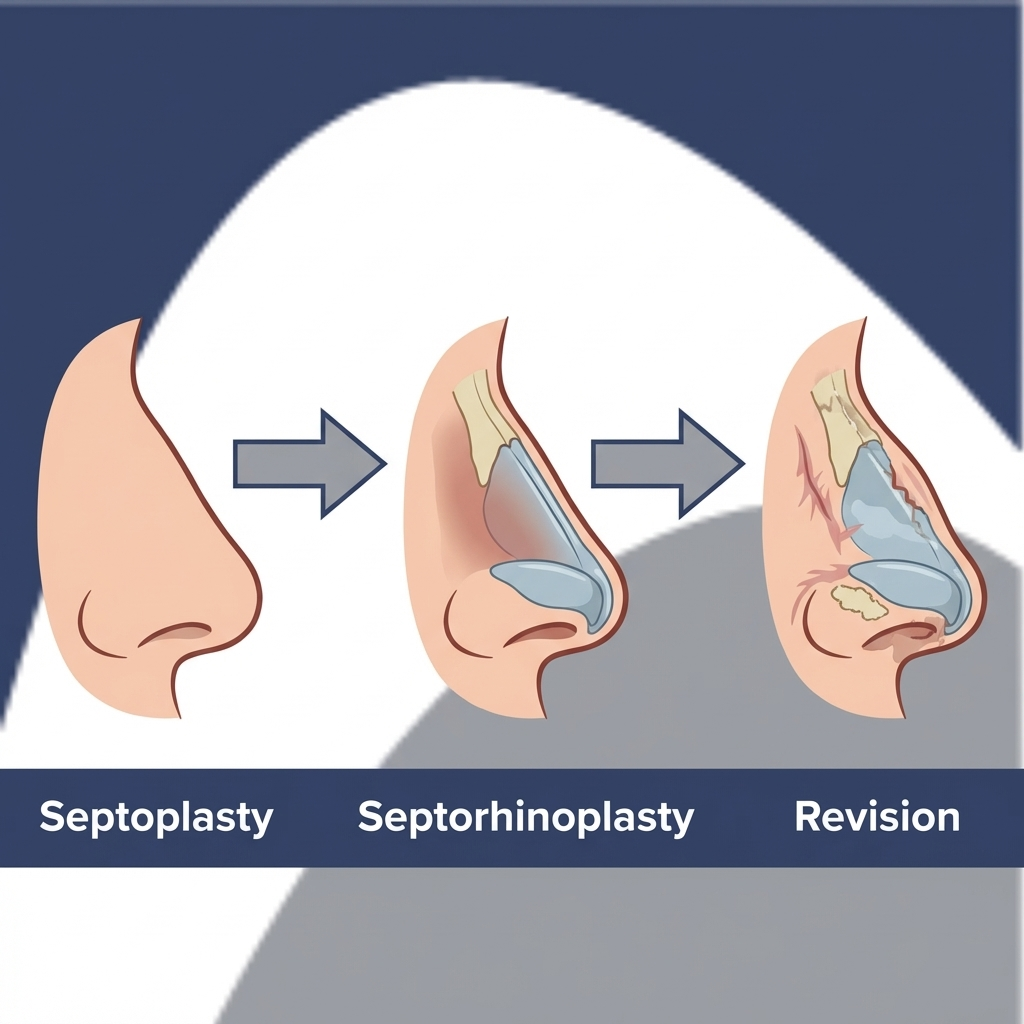
Septoplasty (functional): ~$3,000–$10,000 self-pay in the U.S.; often considered for coverage when functional obstruction is documented.
Septorhinoplasty (functional + cosmetic): ~$10,000–$20,000+; cosmetic components are typically not covered and add time and complexity.
Revision septoplasty: often higher than first-time cases due to scar tissue and complexity.
What “deviated septum repair” actually means (and why wording affects cost)
Septoplasty (functional surgery): focuses on straightening or repositioning the septum to improve airflow and reduce obstruction. When symptoms are significant and well documented, some insurers may consider it medically necessary and potentially cover it.
Septorhinoplasty (functional + cosmetic): combines internal airway work with external reshaping. Cosmetic changes add surgeon time and fees and are usually not covered by insurance. (Source: Emre Ilhan, 2025)
https://emreilhan.com/septoplasty-cost-2025-prices-insurance-factors/
Revision septoplasty: a second operation when obstruction persists or recurs; typically more complex and often more expensive.
If you want to explore non-surgical options first, see our overview of deviated septum treatment options: https://sleepandsinuscenters.com/deviated-septum-relief
In short: “septum repair” is a lay term that usually means septoplasty, with or without cosmetic rhinoplasty.
Symptoms that can make septoplasty more likely to be covered
Note: Symptoms alone don’t guarantee coverage—documentation and exam findings typically matter, and each insurer has its own criteria.
Common deviated septum symptoms:
Ongoing nasal blockage (one- or two-sided)
Trouble breathing through the nose, often worse at night
Frequent nosebleeds
Snoring or sleep disruption
Recurrent sinus infections or facial pressure (sometimes associated)
Documentation points insurers may look for:
Symptoms persist despite appropriate medical therapy (for example, intranasal steroid sprays and saline rinses)
Objective evidence of obstruction on exam (sometimes including nasal endoscopy)
Sleep-disordered breathing concerns (snoring or suspected sleep apnea) alongside nasal blockage
Note: Septoplasty may improve nasal breathing, but it is not a standalone treatment for all forms of obstructive sleep apnea.
A practical rule of thumb: coverage is more likely when both symptoms and objective findings are well documented over time.
What causes a deviated septum (and why cause can affect planning)
Common causes:
Natural anatomic differences present from birth
Growth changes during childhood/teen years
Injury/trauma (sports injuries, accidents)
Related issues that may be treated at the same time:
Enlarged turbinates (turbinate hypertrophy)
Nasal valve collapse
Chronic rhinitis/allergies contributing to congestion
When multiple contributors are addressed in one operation, the upfront cost may rise—but it can reduce the need for separate procedures later.
Treating all contributing factors at once can raise upfront cost but may reduce repeat procedures.

What’s included in the total septoplasty cost? (Know what quote you’re getting)
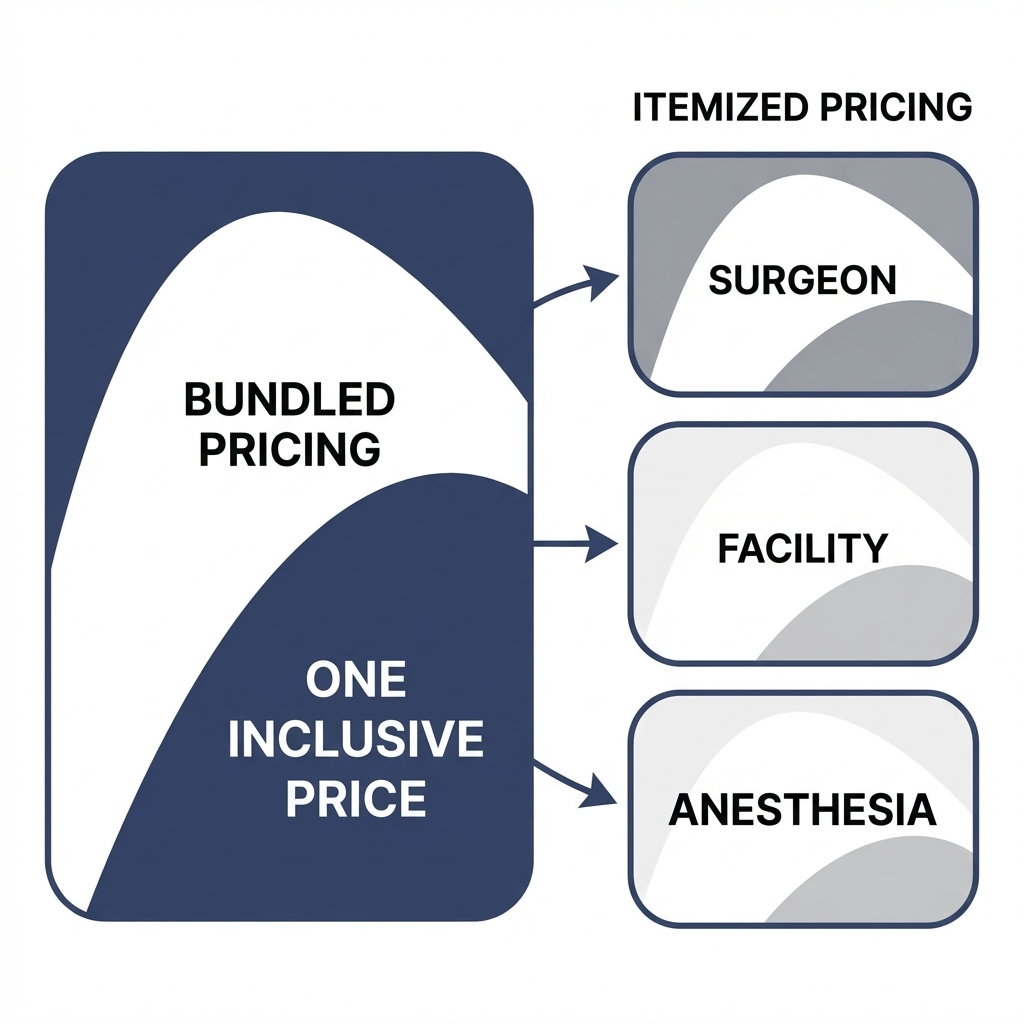
One major source of confusion is that a “price” might include only the surgeon fee while the final bill reflects multiple entities.
Typical cost components:
Surgeon fee
Facility fee (hospital vs ambulatory surgery center)
Anesthesia fee
Pre-op evaluation/tests (if needed)
Post-op visits and care supplies (saline, medications)
Why quotes vary:
Some quotes are bundled (“global” price), others are itemized
Pricing varies by region, facility type, anesthesia approach, and case complexity (mild vs severe deviation; scar tissue; revision)
Always confirm whether your quote is bundled or itemized so you know the true total.
Major factors that raise or lower your septoplasty price
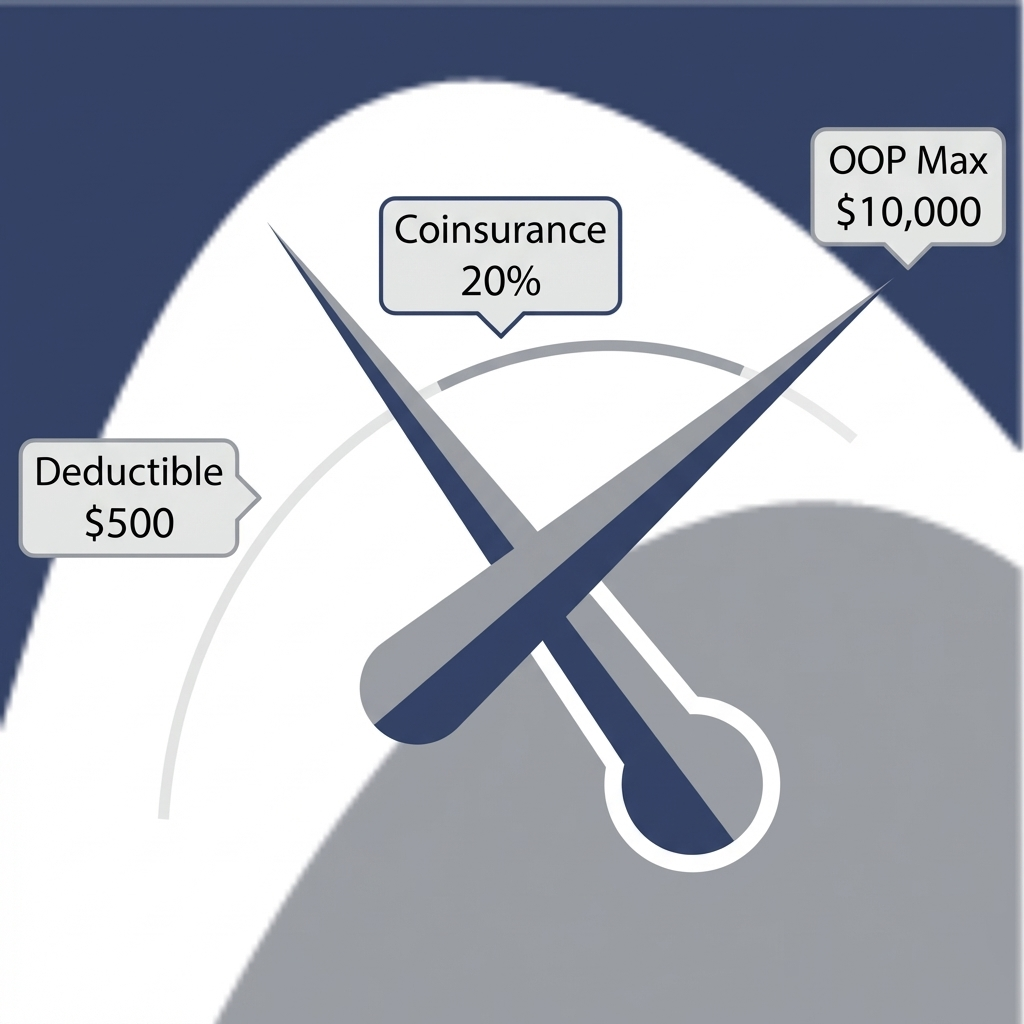
1) Insurance status and plan design. Your deductible, coinsurance, copays, and out-of-pocket maximum largely determine what you pay—even when the procedure is covered.
Helpful explainer: https://sleepandsinuscenters.com/blog/septoplasty-cost-with-insurance-how-much-will-you-20260124051008
2) “Medically necessary” vs cosmetic-only. Functional septoplasty may be covered by some insurers when documentation supports airflow obstruction and prior medical therapy. Cosmetic changes are typically out-of-pocket. (Source: Emre Ilhan, 2025)
3) Combined procedures. Adding other work (e.g., turbinate reduction, sinus surgery, cosmetic rhinoplasty) commonly increases total cost due to added OR time and complexity.
4) Revision or complex anatomy. Revision cases and significant asymmetry or prior trauma often increase surgeon time and fees.
5) Surgeon experience and facility setting. Specialized expertise and higher-cost facilities can raise fees. Request a written estimate separating surgeon, facility, and anesthesia when possible.
Your benefit design often matters more to your final bill than the headline surgery price.
Insurance coverage: what to know before scheduling
When coverage is more likely:
Documented nasal obstruction affecting breathing
Failure of appropriate medical management
Objective findings on exam supporting obstruction
Prior authorization and documentation checklist:
ENT evaluation notes (symptoms + duration)
Documentation of medication trials
Endoscopy findings and/or imaging if performed
Records/photos if trauma-related (optional but sometimes helpful)
For a deeper planning guide on insurance costs, see:
https://sleepandsinuscenters.com/blog/septoplasty-cost-with-insurance-how-much-will-you-20260124051008
Medicare example:
Medicare may cover deviated septum surgery when criteria for medical necessity are met, which can reduce patient costs depending on supplemental coverage and other factors. (Source: Healthline, 2024)
https://www.healthline.com/health/medicare/does-medicare-cover-deviated-septum-surgery
What to ask your insurer (script-style):
Is septoplasty covered for my diagnosis code?
Do I need prior authorization?
What is my remaining deductible?
What is my coinsurance for outpatient surgery?
Are the surgeon, facility, and anesthesia provider in-network?
What is my out-of-pocket maximum, and how close am I to reaching it?
The surest way to predict your costs is to pair clinical documentation with an insurer benefits check before you schedule.
Self-pay (no insurance): realistic budgeting and cost-saving tips
Expected self-pay range:
Many self-pay patients in the U.S. see totals commonly reported around ~$3,000–$10,000 for isolated septoplasty, with variation by region, facility type, and what’s included. (Source: Emre Ilhan, 2025)
Ways to potentially lower your cash price:
Ask whether a self-pay/cash discount is available
Request a bundled “global” estimate (surgeon + facility + anesthesia)
Ask for an itemized estimate so you can compare options accurately
If you have insurance and are timing surgery: scheduling after meeting your deductible may lower out-of-pocket costs (plan-dependent)
Financing and payment plans (what to review):
Interest rate and total repayment cost
Deferred-interest terms (and what triggers back-interest)
Origination fees or late payment fees
A clear, bundled estimate from an in-network ambulatory surgery center is a common way to control self-pay costs.

Medical tourism for septoplasty: cost vs continuity of care
Why some patients go abroad: Lower advertised prices are a major driver. Some international package listings, including those in Turkey, advertise prices around $1,000–$2,500, but these may not include flights, lodging, follow-up, or complication-related care. (Source: Bookimed, 2024)
Tradeoffs to consider:
Travel cost/time and time off work
Coordinating care if complications occur after you return home
Limited local follow-up options
Verifying surgeon credentials and facility standards
If you’re considering going abroad—questions to ask:
What’s included (anesthesia, facility, medications, follow-ups)?
Who provides post-op care, and for how long?
What is the plan if bleeding, infection, or breathing issues develop after travel?
Lower sticker prices abroad don’t always equal lower total cost once travel and follow-up are included.
Treatment options besides surgery (and when they help)
Lifestyle and at-home measures (symptom relief, not a “fix”):
Saline rinses and humidification
Allergy management if relevant
Sleep positioning adjustments
Medical treatments:
Intranasal steroid sprays
Antihistamines (when allergies contribute)
Treatment plans for chronic rhinitis when it’s a major driver
When surgery becomes the next step: Surgery is more often considered when obstruction persists despite appropriate medical therapy and a structural issue is confirmed on exam.
Medical therapy can ease symptoms, but persistent structural blockage often requires surgery for lasting airflow improvement.
What to expect after septoplasty (recovery factors that can affect total cost)
Typical recovery timeline (high level):
First week: congestion and swelling are common; follow-up visit(s) often occur
Weeks 2–6: airflow often improves gradually as swelling resolves
Possible extra costs during recovery:
Prescription medications
Extra follow-up visits if crusting or bleeding is more significant than expected
Time off work and help at home (often overlooked in budgeting)
Build a small cushion in your budget for medications and extra visits just in case.
Questions to ask your ENT surgeon before you commit (cost + outcomes)
Cost clarity questions:
Can you provide a written estimate including surgeon, facility, and anesthesia?
What CPT codes will be billed (and which diagnosis codes)?
Are post-op visits included in the global fee?
Clinical questions tied to value:
What else might be contributing to obstruction (turbinates, valve collapse, allergies)?
What improvement is realistic for my anatomy and symptoms?
If symptoms persist, what is the follow-up plan?
Good cost clarity up front supports better value and fewer surprises.
FAQs
How much does deviated septum surgery cost in the U.S.?
A commonly reported self-pay range for isolated septoplasty is approximately $3,000–$10,000, while cosmetic add-ons or complex cases can be higher. (Sources: Emre Ilhan, 2025; Sleep & Sinus Centers blog, 2026)
Does insurance cover septoplasty for a deviated septum?
Often yes when documentation supports medical necessity, but your out-of-pocket depends on plan details like deductible, coinsurance, and network status. (Source: Healthline, 2024)
Is septoplasty covered if I want cosmetic changes too?
Usually the cosmetic portion isn’t covered, which can significantly change total deviated septum repair cost. (Source: Emre Ilhan, 2025)
Why is septorhinoplasty so much more expensive?
It typically involves cosmetic reshaping and/or structural grafting, more operating time, and different coverage rules than functional septoplasty.
Is it cheaper to get septoplasty in another country?
Some listings abroad advertise lower prices—often ~$1,000–$2,500—but travel, follow-up, and complication planning can change the real total. (Source: Bookimed, 2024)
What’s the best way to estimate my personal out-of-pocket cost?
Ask for (1) the surgeon’s billing codes, (2) a facility/anesthesia estimate, and (3) your insurer’s in-network benefit breakdown for outpatient surgery.
Conclusion: How to plan your budget without guessing
In the U.S., self-pay septoplasty cost commonly falls around $3,000–$10,000, while combined cosmetic work or complex revision cases can reach $10,000–$20,000+. Insurance may substantially reduce what you pay, but the most reliable way to estimate your personal deviated septum repair cost is to confirm codes, medical-necessity documentation, and in-network status across the surgeon, facility, and anesthesia provider.
To move from research to real numbers, consider an evaluation and a written estimate. If you’d like help taking the next step, you can book an appointment and schedule an ENT evaluation with Sleep & Sinus Centers of Georgia: https://sleepandsinuscenters.com/appointments
This article is for educational purposes only and is not medical advice. Please consult a qualified healthcare provider for diagnosis and treatment.
Don’t let allergies slow you down. Schedule a comprehensive ENT and allergy evaluation at Sleep and Sinus Centers of Georgia. We’re here to find your triggers and guide you toward lasting relief.