Septoplasty Operation Time: How Long Does Septoplasty Surgery Take?
Planning nasal surgery often starts with one practical question: How long will this take—in the operating room and on surgery day overall? It’s a smart question, because the “septoplasty time” you see online may describe the surgical portion only or the total time at the facility, including check-in, anesthesia, and recovery.
Quick answer: How long does a septoplasty take?
Most septoplasty procedures take about 30–90 minutes for the surgical portion (sometimes up to about 1 to 1.5 hours), and they’re commonly done as outpatient procedures, meaning you typically go home the same day. This estimate refers to the operation itself, not your total time at the surgery center.
Why you may see different numbers online
You’ll often find different estimates because people may be describing different “clocks,” such as:
- Operating time (incision-to-closure): the time the surgeon is actually performing the septoplasty
- Total time at the surgery center: check-in, pre-op prep, anesthesia, the procedure, and recovery room monitoring
If you’re scheduling rides, childcare, or time off work, the total facility time is usually the number that matters most.
Think “flight time” versus “entire travel day”—both are useful, but they measure different parts of the experience.

What is septoplasty (and what does it fix)?
Your nasal septum is the wall of cartilage and bone that divides your nose into left and right airways. A deviated septum means that wall is shifted off-center, which can narrow one side of the nose (or create turbulent airflow in both).
Septoplasty is a surgery designed to straighten or reposition the septum to help improve airflow. It’s typically performed through incisions inside the nose (so there’s usually no external scar).
What surgeons do during septoplasty (high-level overview)
- Lift the lining over the septum
- Reshape, remove, or reposition small portions of cartilage and/or bone
- Straighten the septum for better airflow
- Close internal incisions to support healing
Many patients describe the goal as “making more room” to breathe—usually without changing the outside appearance of the nose. In short, septoplasty focuses on function: improving nasal airflow from the inside.

Septoplasty vs. rhinoplasty vs. septorhinoplasty (brief clarity)
- Septoplasty: focuses on function (breathing/airflow)
- Rhinoplasty: focuses on appearance (cosmetic shape changes)
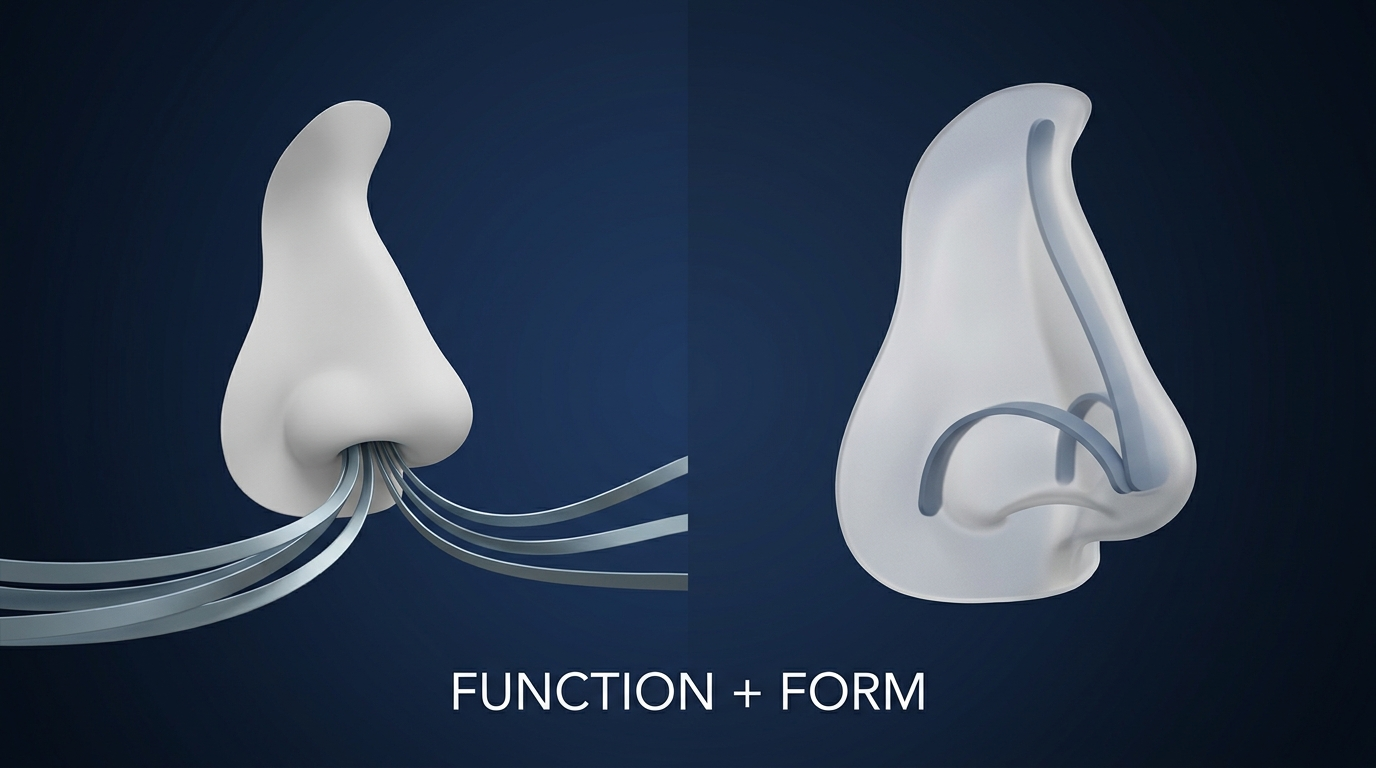
- Septorhinoplasty: combines function + appearance in one surgery
For a deeper comparison, see: https://sleepandsinuscenters.com/blog/septoplasty-vs-rhinoplasty-key-differences-benefit-20260124020915
Knowing which procedure targets your main concern can help you plan realistically for time and recovery.
Symptoms that may lead to septoplasty
- Ongoing nasal congestion/obstruction (one or both sides)
- Difficulty breathing through the nose, especially at night
- Snoring or worse sleep due to nasal obstruction
- Frequent nosebleeds (for some patients)
- Recurrent sinus infections or facial pressure (which can have multiple causes)
If symptoms persist, a healthcare provider can help determine whether allergies, anatomy (like a deviated septum), or both may be contributing. An ENT evaluation helps clarify whether structural issues are part of the problem.
Common causes of a deviated septum
Injury/trauma: Impacts from sports, falls, or accidents can shift the septum and change airflow.
Natural growth and anatomy: Some people develop a deviation as the face and nose grow—without a specific injury.
Congenital (present at birth) or birth-related factors: Not every deviated septum is trauma-related; some are present early on.
Deviations can arise from injury, growth patterns, or how your nose developed from birth.
Septoplasty operation time (30–90 minutes): what affects how long it takes?
As a baseline, most procedures fall in the 30–90 minute range for the surgical portion. In some situations, septoplasty time may trend closer to about 1 to 1.5 hours.
Common factors that affect how long septoplasty takes:
Complexity of the deviation: A mild bend can be simpler to correct than a significant deviation with bony spurs or multiple points of obstruction.
Scar tissue or prior nasal surgery: Revision cases (or noses with more scar tissue) can require more careful dissection, which may increase surgical time.
Swollen turbinates or additional nasal blockage: When surgeons address both issues in one session, septoplasty with turbinate reduction typically takes longer than septoplasty alone. Learn more: https://sleepandsinuscenters.com/blog/everything-you-need-to-know-about-turbinate-reduction
Combined procedures: Sometimes septoplasty is combined with other functional procedures (for example, sinus-related procedures or nasal valve work). Adding steps can extend the time in the operating room.
Your specific anatomy and whether additional procedures are planned largely determine the final OR time.
Total time at the surgery center vs. surgery time
For planning purposes, it helps to separate the procedure time from the whole-day timeline. Even if the surgical portion is under an hour, your visit may take several hours from arrival to discharge.
Typical day-of-surgery timeline (example):
- Check-in and pre-op prep: about 60–120 minutes (paperwork, vitals, preparation)
- Procedure itself: typically 30–90 minutes (sometimes up to about 1.5 hours)
- Recovery room (PACU): about 30–90+ minutes (monitoring as anesthesia wears off)
- Discharge: review instructions and confirm your ride home
Most septoplasties are outpatient procedures, so you go home the same day. Less commonly, an overnight stay may be considered based on medical history, the combination of procedures performed, or surgeon preference. Plan for several hours total at the facility, even when the operation itself is relatively brief.


Does anesthesia change septoplasty operation time?
Septoplasty can be performed under different anesthesia approaches, depending on your situation and shared decision-making with your surgical team.
In general: the type of anesthesia often affects total facility time (prep, induction, wake-up, monitoring). The surgical portion may be similar regardless of anesthesia choice, though cases vary.
Why “anesthesia time” is not the same as “septoplasty time”: Under anesthesia typically includes induction, positioning and preparation, the surgery itself, and waking up safely afterward. If someone says they were “out for two hours,” the actual septoplasty may have been much shorter. Anesthesia adds steps before and after the operation, so anesthesia time is usually longer than incision-to-closure time.
If septoplasty is combined with turbinate reduction, how long does it take?
Turbinates help warm and filter air, but when they’re enlarged, they can contribute to chronic blockage. That’s why surgeons often evaluate turbinate size during a deviated septum workup.
When both procedures are done together, total operating time is commonly longer than septoplasty alone. The added time depends on the technique used and how much additional work is needed.
If a deviated septum and enlarged turbinates both restrict airflow, correcting only one issue may leave persistent congestion. Combining procedures can address multiple causes of obstruction in one surgical setting (when appropriate). Treating all significant contributors to blockage in one session can support better breathing results for the right candidates.

Recovery timeline vs. operation time (what patients should expect)
Even though septoplasty time in the OR is relatively short, healing is a process. Swelling inside the nose can temporarily make breathing feel worse before it feels better.
The first week: congestion and pressure (often from swelling), mild drainage, activity restrictions and rest. A follow-up visit may be scheduled, depending on your care plan.
Weeks 2–6: breathing often improves gradually as swelling decreases. Many people notice meaningful changes during this window, though it may not feel final yet.
Months later: although you may feel better sooner, full internal healing can take several months.
For a more detailed week-by-week view, see: https://sleepandsinuscenters.com/blog/septoplasty-recovery-week-by-week-complete-timeline-20260123051106
Expect a short procedure but a longer recovery arc, with airflow improvements that build over weeks to months.

Treatment alternatives (and when surgery is considered)
Non-surgical options may include saline rinses or sprays, nasal steroid sprays, allergy evaluation and treatment, and environmental trigger reduction when relevant.
Septoplasty is typically discussed when nasal obstruction persists and affects daily life—sleep, exercise, work, or overall comfort—despite appropriate non-surgical management. Not everyone with symptoms is a candidate; your ENT can advise based on your exam and goals.
If your evaluation suggests multiple contributors to blockage, your ENT may discuss options such as turbinate reduction, nasal valve support procedures, or sinus procedures (based on diagnosis and goals). Before considering surgery, it’s important to optimize non-surgical care and confirm that anatomy is a key contributor.
Lifestyle and planning tips (before and after surgery)
Before surgery: arrange for a driver and plan time away from work or school; ask your care team about any medications or supplements that could affect bleeding risk or anesthesia planning (only change under clinician guidance); set up a simple recovery space with head elevation and supplies your surgeon recommends.
After surgery: rest and sleep with your head elevated as advised; use saline sprays/irrigation if instructed; avoid heavy lifting/straining initially; avoid nose blowing until you’re cleared.
When to call the doctor: contact your surgical team urgently for heavy bleeding, fever, worsening pain, breathing trouble, or severe headache/vision changes. A little prep beforehand and careful follow-through afterward can make recovery smoother and more comfortable.
FAQs about septoplasty operation time
Is septoplasty a major surgery? It’s a common ENT procedure that’s often done outpatient, but it’s still surgery and requires planning and recovery time.
How long will I be under anesthesia for septoplasty? It varies. Anesthesia time usually includes induction, the operation, and wake-up/monitoring—so it may be longer than the surgical portion alone.
How long does septoplasty take for a severe deviated septum? More complex deviations (or added procedures) can increase operating time. Many still fall within 30–90 minutes, but some approach about 1 to 1.5 hours.
How long will I be at the surgical center total? Commonly several hours when you include check-in, prep, the procedure, and recovery room monitoring.
When can I go back to work or school? It depends on your job or school demands and your surgeon’s guidance. Many patients plan at least several days of reduced activity, and some plan about a week.
When will I breathe normally again? Some improvement may be noticed within the first few weeks, but swelling can take longer to fully settle. Full internal healing can take several months.
Does septoplasty hurt? Discomfort and congestion are common early on, and pain control plans vary. Your surgical team can explain what’s typical and how discomfort is usually managed.
Can septoplasty be done at the same time as turbinate reduction? Yes—this is a common combination when both septal deviation and turbinate enlargement contribute to obstruction.
Is septoplasty usually outpatient? Yes, outpatient septoplasty (home the same day) is common.
Conclusion: What to remember about septoplasty operation time
For most patients, septoplasty operation time is 30–90 minutes for the surgical portion, sometimes up to about 1 to 1.5 hours—especially when the deviation is complex or other procedures are added. While the operation itself is relatively short, the full day at the surgical center takes longer, and healing continues over weeks to months.
If you’re considering septoplasty and want a personalized estimate of how long it will take (including total time at the surgery center), book an appointment with Sleep & Sinus Centers of Georgia: https://www.sleepandsinuscenters.com/
A short time in the OR can lead to long-term breathing benefits when anatomy is the main driver of obstruction.
References
1. Cleveland Clinic. Septoplasty. https://my.clevelandclinic.org/health/treatments/17779-septoplasty
2. MedlinePlus. Septoplasty – discharge. https://medlineplus.gov/ency/patientinstructions/000246.htm
3. Cleveland Clinic. Turbinate Reduction. https://my.clevelandclinic.org/health/treatments/22803-turbinate-reduction
Disclaimer
This article is for educational purposes only and is not medical advice. Please consult a qualified healthcare provider for diagnosis and treatment.
Don’t let allergies slow you down. Schedule a comprehensive ENT and allergy evaluation at Sleep and Sinus Centers of Georgia. We’re here to find your triggers and guide you toward lasting relief.