Septorhinoplasty Procedure Steps: A Step-by-Step Guide to Surgery and Recovery
If you’ve been told you may benefit from deviated septum surgery plus rhinoplasty, it’s normal to wonder what actually happens in the operating room—and what healing looks like afterward. This guide walks through common septorhinoplasty procedure steps in plain language, explains open vs closed septorhinoplasty, and outlines a realistic septorhinoplasty recovery timeline so you can plan with confidence (and fewer surprises).
Educational note: This article is for general patient education and isn’t medical advice. Your own plan may differ based on anatomy, goals, and your surgeon’s technique.
What Is Septorhinoplasty?
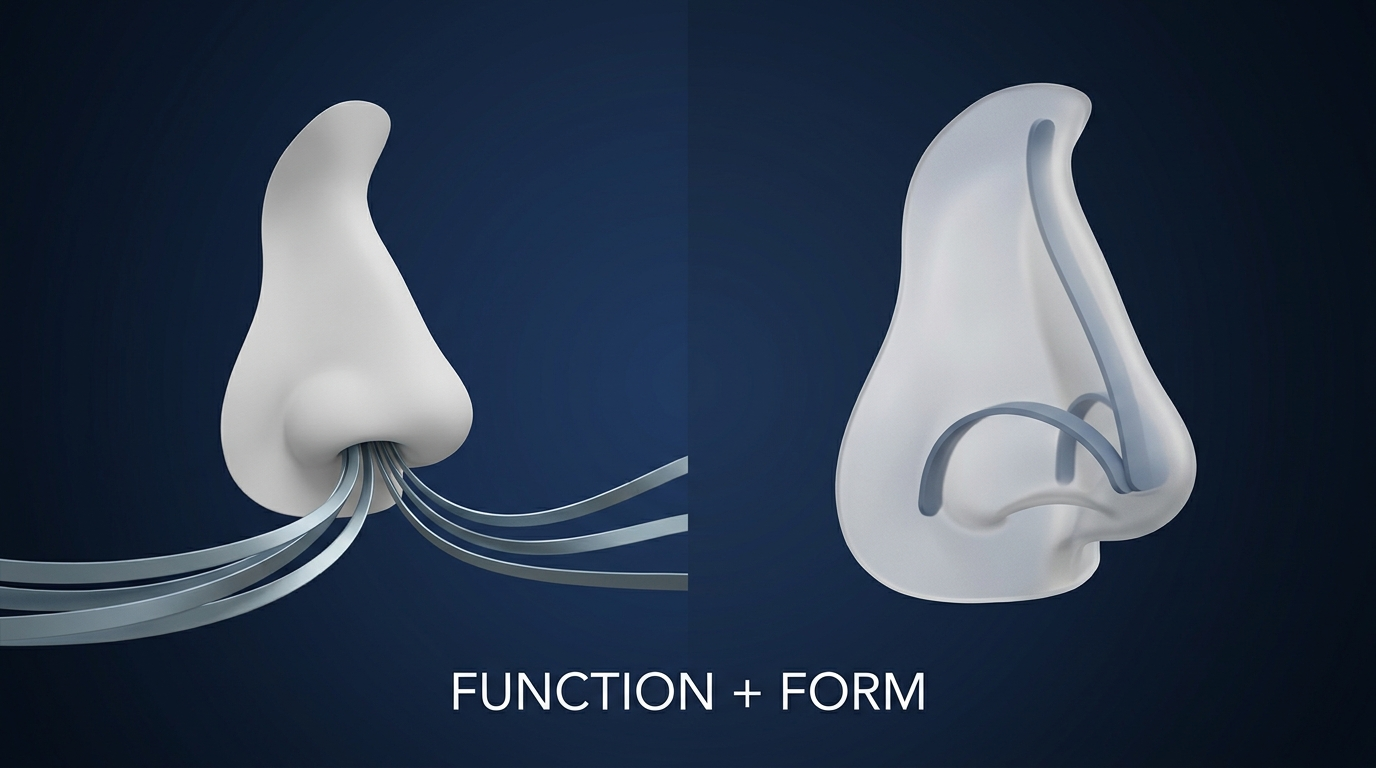
Septorhinoplasty is a combined nasal surgery designed to improve breathing (function) and nasal shape (appearance) in one procedure. It’s often recommended when airflow problems and cosmetic concerns share the same structural causes—like a deviated septum plus visible crookedness after an injury. References describe septorhinoplasty as addressing both airflow and the nose’s structural framework together. [1][2]
A helpful way to visualize it: septorhinoplasty is like renovating a hallway and straightening the doorframe at the same time—better passage (airflow) and better alignment (appearance).
Septoplasty vs. Rhinoplasty vs. Septorhinoplasty (quick definitions)
- Septoplasty: Straightens or repositions the septum (the wall between the nostrils) to improve airflow. [1]
- Rhinoplasty: Reshapes the outer nose (bone/cartilage) for cosmetic reasons and/or structural support.
- Septorhinoplasty: Combines both—septum correction plus reshaping/supporting the nose. [2]
For a deeper explanation of septoplasty vs. rhinoplasty, see: https://sleepandsinuscenters.com/blog/septoplasty-vs-rhinoplasty-key-differences-benefit-20260124020915.
The “two-in-one” benefit: breathing + appearance in one surgery
Septorhinoplasty combines functional correction of a deviated septum with aesthetic reshaping that can also reinforce the airway. In real life, patients often describe this as wanting to “breathe like my nose is open again” while also feeling their profile or symmetry looks more balanced. This “two-in-one” approach is commonly discussed in patient overviews and surgical references. [1][2]
- In short: septorhinoplasty can address airflow and appearance in a single, coordinated operation.
Common Symptoms That May Lead to Septorhinoplasty (Breathing + Structural Concerns)
Breathing-related symptoms: People often seek evaluation for chronic nasal obstruction (often worse on one side), sleep-disruption or snoring concerns, and exercise intolerance or feeling like you “can’t get enough air” through the nose. A concrete example: some people notice they can breathe fine at rest, but during a brisk walk or workout they instinctively open their mouth because nasal airflow feels “pinched.”
Structural/appearance concerns that may overlap: Functional issues frequently overlap with visible structural changes, such as a crooked nose after injury, noticeable asymmetry, a dorsal hump, tip droop, tip asymmetry, or a nose that looks “twisted.”
When symptoms could point to something else: Not every blocked nose is structural. Allergies, chronic rhinitis, or sinus inflammation can mimic obstruction. That’s why a proper exam matters before considering surgery—because the most effective treatment depends on the true cause.
- If symptoms involve both airflow and shape concerns, a combined evaluation helps clarify whether septorhinoplasty is appropriate.
What Causes the Problems Septorhinoplasty Treats?
Deviated septum (common causes): A deviated septum can develop from congenital development (present as the face grows) or trauma (sports injury, accident, or prior nasal fracture). Think of the septum like the center divider in a two-lane tunnel: if it bows into one lane, traffic (air) backs up. If you’re exploring non-surgical ways to feel better while you investigate next steps, this overview may help: https://sleepandsinuscenters.com/deviated-septum-relief.
Nasal valve collapse or weak structural support: Even with a straighter septum, airflow can be limited if the nasal valves are narrow or weak. If the valve area caves inward when you inhale, you may still feel blocked—especially during exercise or allergy season. In some cases, graft support is used to improve stability and reduce collapse over time.
Prior nasal surgery or injury: Previous surgery or trauma can lead to scar tissue, reduced cartilage support, and gradual shifting over time. These factors often influence which approach is chosen and whether grafting is needed.
- The underlying cause—septal deviation, valve narrowing, or prior injury—guides the specific surgical plan.
Non-Surgical and Less-Invasive Treatments to Consider First (When Appropriate)
Medical management (often tried before surgery): Depending on your evaluation, a clinician may recommend saline irrigation, allergy management strategies, and nasal steroid sprays (used as directed).
Mechanical support options: Some people get temporary relief from external nasal strips and internal nasal dilators.
When surgery becomes the more definitive option: If obstruction persists and the exam shows a structural cause—like a significant septal deviation or valve collapse—surgery may be discussed as a longer-term solution. Medications may help reduce inflammation and symptoms, but they do not permanently realign cartilage or bone.
- Try appropriate medical therapy first when indicated; consider surgery when structural issues continue to limit airflow.
Preparing for Septorhinoplasty (Pre-Op Steps Patients Should Expect)
Consultation and nasal evaluation: A typical visit includes symptom review and medical history, external nasal assessment and internal exam. In some cases, nasal endoscopy and/or imaging may be used to clarify anatomy and identify contributing issues.
Goal setting and surgical planning: Planning usually covers both functional goals (better airflow, reduced obstruction) and aesthetic goals (proportion, symmetry, profile, tip shape). It can help to be specific. For example: “My main issue is right-sided blockage at night,” or “I like my nose overall, but I’d like the bump softened without changing my identity.”
Pre-op checklist: Common preparation topics include medication review (including blood thinners/NSAIDs—follow your surgeon’s instructions), smoking/vaping cessation planning, and scheduling time off work and arranging help at home for the first few days. If cost planning is part of your decision, see: https://sleepandsinuscenters.com/blog/septorhinoplasty-cost-average-price-factors-what-t-20260404181035.
What to ask your surgeon: Helpful questions include which approach is expected (open vs closed) and why, whether grafting is likely, if internal splints or an external cast will be used, what the recovery plan typically looks like, and the revision risk in your situation.
- Clear goals, a personalized plan, and preparation at home set you up for a smoother recovery.

Open vs. Closed Septorhinoplasty: Which Approach Is Used and Why?
Closed approach (endonasal): With the closed approach, incisions are placed inside the nostrils. It may be a fit for select cases where reshaping is less complex.
Open approach (external): With the open approach, a small incision is made across the columella (the tissue between the nostrils), allowing greater visibility and access. This is often used when more complex reconstruction is planned or when major grafting is anticipated. [2][3]
What patients typically notice: Swelling can occur with both approaches; open cases may have more tip swelling early on. Open septorhinoplasty can leave a small scar that often becomes subtle over time. Technique choice often depends on anatomy, goals, and surgeon preference/experience. A simple summary: closed can be great for smaller adjustments; open gives more visibility when precision support and grafting are needed.
- The “best” approach is individualized—based on your anatomy, goals, and your surgeon’s experience.

Septorhinoplasty Procedure Steps (Step-by-Step in Plain Language)
Exact details vary, but these steps reflect a common workflow described in patient and surgical references. [1][2][3]
Step 1 — Anesthesia and surgical setup
Septorhinoplasty is often performed under general anesthesia, though anesthesia plans vary. [2] Your team positions you safely, cleans the area, and prepares sterile draping.
Step 2 — Accessing the internal nose (incisions + exposure)
Using an open or closed approach, the surgeon creates incisions and carefully elevates soft tissue to reach the underlying cartilage and bone, creating exposure to access the septum and nasal framework. [3]
Step 3 — Correcting the deviated septum (functional portion)
The septum may be straightened by reshaping, repositioning, and stabilizing cartilage/bone while preserving key support areas when possible. This functional correction is central to improving airflow. [1][3] The goal is to keep the “support beam” strong while moving the obstructing portion out of the airway.
Step 4 — Reshaping the nose (aesthetic + structural support)
The nasal framework may be adjusted based on your plan—such as smoothing a hump, refining the tip, or adjusting width/angle. This is where breathing goals and cosmetic goals often intersect (for example, adding support while refining a tip).

Step 5 — Cartilage grafting (when needed to prevent collapse and maintain shape)
Many surgeons use autologous cartilage (your own cartilage) to reinforce weak areas and support long-term structure. Common donor sites include septal cartilage (often preferred when available), ear cartilage, and rib cartilage in selected cases. [4] Think of grafts like adding internal “scaffolding” so the nose holds its shape and the airway stays open over time.
Step 6 — Final alignment, closure, and stabilization
Stabilization may include internal splints (not always used) and external tape/cast to protect early healing. [2] This helps the nose heal in its new, corrected position.
How long does septorhinoplasty take? Many cases take about 1 to 3 hours, depending on complexity. [2]
- The operation blends functional correction with structural support and aesthetic shaping to help both airflow and balance.
Immediately After Surgery: What Patients Typically Experience
In the recovery area: It’s common to feel groggy, congested, and notice mild oozing. Most breathing feels blocked early on due to swelling and internal dryness—many patients say it feels like a “stuffy nose times ten” for the first few days.
Common early symptoms: Swelling and bruising around the nose/eyes, pressure and facial fullness, fatigue, and mouth dryness from breathing through the mouth.
Common post-op devices: Many patients may have an external nasal splint or cast, and some may also have internal splints. Your surgeon will explain what you have and when removal is planned. [2]
- Early recovery is focused on comfort and protection while swelling gradually subsides.

Septorhinoplasty Recovery Timeline (What Healing Looks Like)
Healing varies, but this timeline reflects common patterns; the first 1–2 weeks are an especially important period for protecting the nose during early healing. [2]
The first 48–72 hours: Focus on rest and comfort—head elevation, hydration and easy-to-chew foods, and following instructions for icing, medications, and activity limits.
Days 3–7: Many people notice peak congestion, crusting/dryness, and continued swelling/bruising. Activity is usually limited during this window.
Week 1–2 (critical healing phase): Cast/splint removal timing varies. Many people feel more socially “presentable,” but swelling remains. Many resources emphasize this as a key protection period. [2] For a deeper day-by-day overview, see: https://sleepandsinuscenters.com/blog/post-septorhinoplasty-recovery-timeline-tips-and-w-20260326112301.
Weeks 3–6: Swelling typically continues to improve. Return to exercise is often staged—timing depends on your surgeon’s plan and your healing progress.
Months 2–12: Subtle refinement can continue for months, and tip swelling may last longer than swelling elsewhere.
- Expect steady, stepwise improvements over weeks, with finer refinements unfolding over several months.
Aftercare & Lifestyle Tips That Support Healing (Patient-Friendly)
Cleaning and moisture strategies: Your surgeon may recommend specific cleaning steps and may allow saline sprays/rinses at a certain point. Because protocols differ, follow your personalized instructions.
Sleep positioning and daily habits: Many patients are asked to sleep on the back with the head elevated early on, avoid pressure on the nose, and be mindful around pets/kids or crowded spaces where accidental bumps can happen.
What to avoid: Common restrictions (especially early) include nose blowing, heavy lifting/straining, contact sports, and smoking/vaping (often discouraged because it can impair healing).
Returning to work, workouts, and glasses: Typical ranges vary widely depending on job demands and surgical complexity. Glasses may require special guidance to avoid pressure on the bridge. Follow your surgeon’s specific instructions.
- Small daily habits add up—protect the nose, control swelling, and follow your care plan closely.
Risks, Side Effects, and When to Call Your Surgeon Urgently
Common side effects (usually temporary): Swelling, bruising, congestion; mild bleeding/oozing; temporary numbness or stiffness around the tip/upper lip area.
Potential complications to know: Infection or bleeding, septal perforation, persistent obstruction, unsatisfactory cosmetic outcome, and need for revision surgery (risk varies by anatomy, goals, and healing). [2][3]
Call urgently for red flags: Heavy bleeding, fever, worsening severe pain not improving as expected, vision changes, severe headache/neck stiffness, or breathing distress.
- Know what’s expected versus what needs urgent attention, and contact your team if you’re unsure.

Results: What Septorhinoplasty Can Improve (and What It Can’t)
Functional outcomes (airflow): Improved airflow is a major goal, but it may not feel immediate because swelling and internal healing take time. Many patients notice breathing improves in “steps” rather than all at once.
Aesthetic outcomes (shape/symmetry): A key goal is better balance and alignment. However, natural faces are not perfectly symmetrical, and minor asymmetries can remain even after excellent surgery.
Longevity and the role of structural support: Long-term stability often depends on maintaining strong support. That’s one reason grafting is emphasized in many modern approaches—it can help reinforce shape and reduce collapse over time. [4]
- Expect functional and aesthetic changes to evolve gradually as swelling resolves and tissues settle.
FAQs About Septorhinoplasty Procedure Steps and Recovery
Is septorhinoplasty medically necessary or cosmetic? It can be either—or both. Septum correction is often functional; reshaping may be cosmetic, functional (support), or combined. [1][2]
Does open septorhinoplasty leave a visible scar? Open surgery uses a small external incision that often heals to be subtle, but scarring varies by individual. [2]
When can I breathe normally again? Many people breathe more comfortably as swelling and internal healing improve over the first several weeks, but timing varies.
When can I exercise, fly, or return to work? These are individualized decisions based on healing and surgical details. Your surgeon will provide a timeline tailored to you.
Will my nose look “too swollen” at first? Early swelling is expected. The nose typically refines gradually over months, with the tip often taking the longest.
What’s the difference between septoplasty alone and septorhinoplasty? Septoplasty focuses on internal straightening for airflow, while septorhinoplasty adds reshaping and structural support work to address both function and appearance. [1][2]
- Your surgeon can tailor guidance on activity, timelines, and expectations to your specific case.
When to Consider Booking a Consultation
At Sleep and Sinus Centers of Georgia, a consultation is often a helpful next step if you notice ongoing nasal blockage plus a crooked nose after injury, symptoms that persist despite appropriate medical therapy, or breathing issues affecting sleep, exercise, or quality of life.
What to bring to your appointment: A current medication list, prior injury/surgery history, and optional photos that reflect aesthetic goals.
If you’re ready to talk through options and get an individualized exam, you can book an appointment here: https://www.sleepandsinuscenters.com/
- A tailored exam and discussion of goals can clarify whether septorhinoplasty is the right next step.
References
[1] American Society of Plastic Surgeons (ASPS) – Septoplasty procedure overview: https://www.plasticsurgery.org/reconstructive-procedures/septoplasty/procedure
[2] Healthdirect Australia – Septorhinoplasty overview and recovery basics: https://www.healthdirect.gov.au/surgery/septorhinoplasty
[3] NCBI Bookshelf – Septoplasty/rhinoplasty background and anatomy concepts: https://www.ncbi.nlm.nih.gov/books/NBK567718/
[4] Somenek & Pittman MD – Using cartilage grafts in rhinoplasty: https://somenekpittmanmd.com/using-cartilage-grafts-in-rhinoplasty/
This article is for educational purposes only and is not medical advice. Please consult a qualified healthcare provider for diagnosis and treatment.
Don’t let allergies slow you down. Schedule a comprehensive ENT and allergy evaluation at Sleep and Sinus Centers of Georgia. We’re here to find your triggers and guide you toward lasting relief.