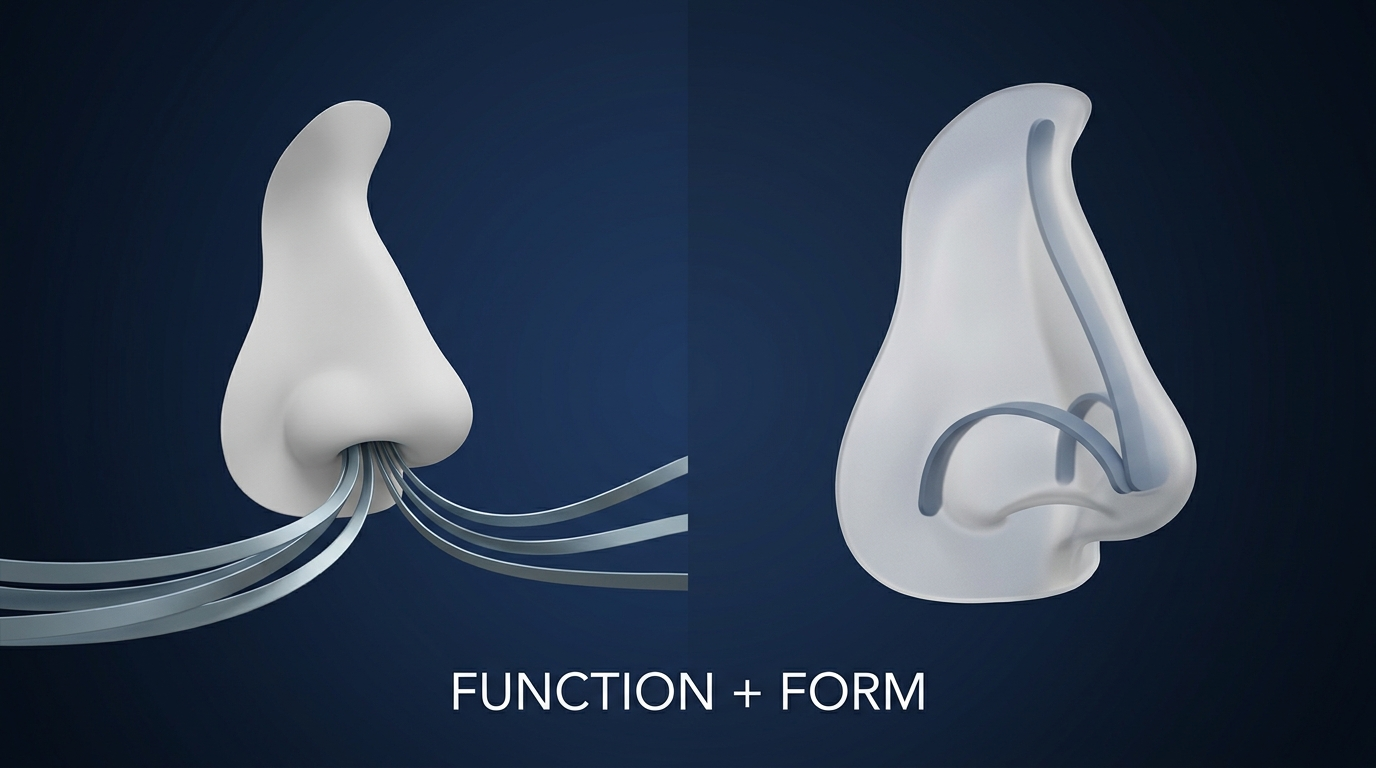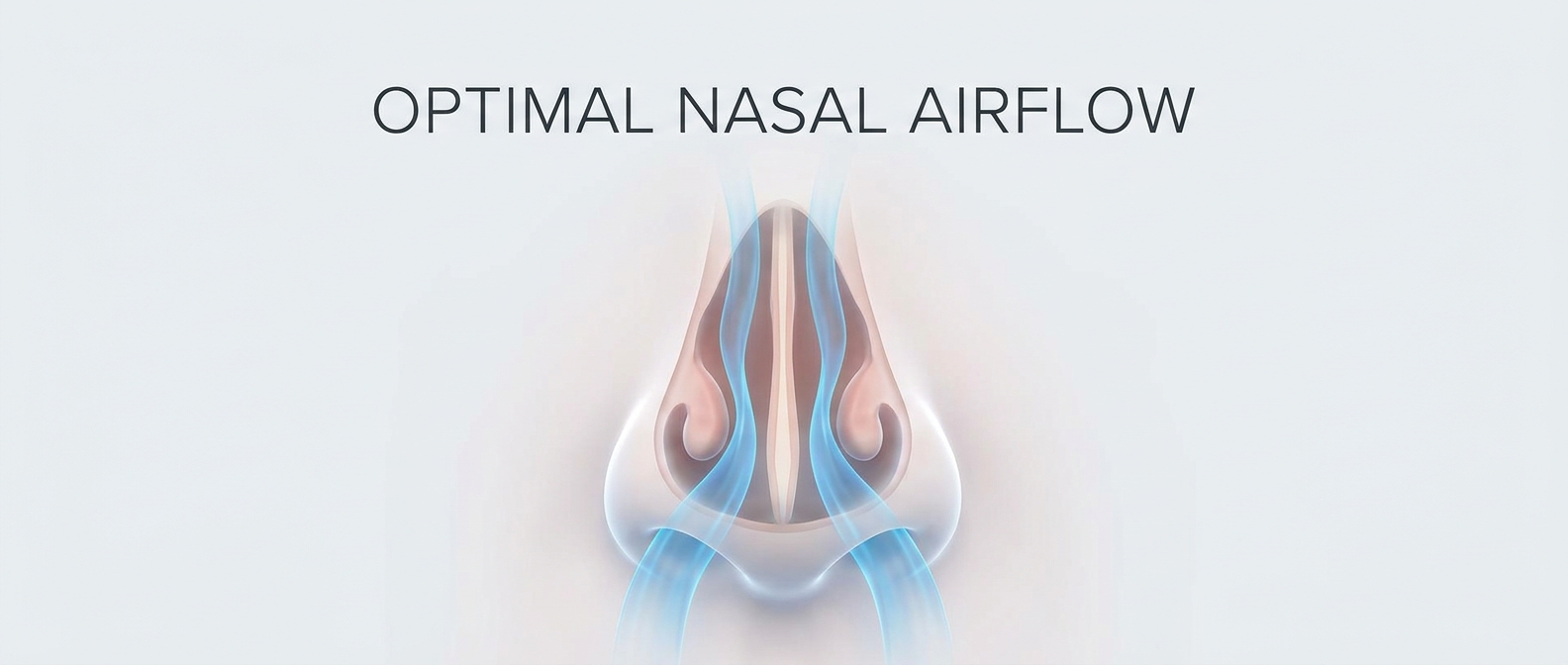
Septoplasty with Inferior Turbinate Reduction (often called "septoturbinoplasty"): Benefits, Recovery, and What to Expect
Introduction: Why nasal blockage isn’t "just allergies"
If you feel constantly congested, breathe through your mouth without thinking, wake with a dry mouth, or struggle to exercise because you "can’t get enough air," it’s easy to blame allergies. Sometimes allergies really are the main culprit—but for many people, the problem is structural: the inside of the nose physically blocks airflow. Picture a hallway: if a wall bows inward, you can’t "spray" your way into more space. Medications may reduce inflammation, but the bottleneck remains.
A septoplasty with turbinate reduction combines straightening the septum with reducing enlarged turbinates to improve airflow. This combined approach is usually discussed when sprays and other treatments don’t fully relieve obstruction and an exam shows a deviated septum and turbinate enlargement. Major medical centers provide patient education materials describing septoplasty goals, risks, and recovery. [3][4]
Summary: Not everyone with congestion needs surgery; the key is a proper evaluation to determine whether symptoms are inflammatory, structural, or both.

What are the septum and turbinates?
The nasal septum (the "wall" between nostrils): Your nasal septum divides the right and left nasal passages. When it’s significantly off-center (a deviated septum), one side can narrow, disrupting airflow and contributing to chronic blockage. Many people notice they "breathe better through one side" or have a consistent "problem side." For more background, see deviated septum relief: https://sleepandsinuscenters.com/deviated-septum-relief
Turbinates (the "air filters/humidifiers"): Turbinates are structures along the side walls of the nose that warm, filter, and humidify the air you breathe—think of them as built-in "air-conditioning fins." When they’re chronically enlarged (turbinate hypertrophy), they can crowd the airway and create a persistent "stuffy nose" feeling, even without much visible mucus. Modern surgery typically reduces—not removes—the turbinates so they can keep doing their job. Learn more: https://sleepandsinuscenters.com/blog/everything-you-need-to-know-about-turbinate-reduction
Summary: The septum sets the midline "divider," while the turbinates shape the side-wall space your air has to travel through.

Symptoms that may improve after septoplasty with turbinate reduction
Common nasal airflow symptoms:
• Chronic nasal congestion/obstruction (one-sided or alternating)
• Difficulty breathing through the nose during exercise
• Mouth breathing during the day and/or at night
• Minimal improvement despite using sprays correctly
Sleep and quality-of-life symptoms:
• Snoring related to nasal obstruction (snoring has multiple causes and may persist)
• Waking with dry mouth or sore throat
• Poor sleep quality or frequent awakenings
• CPAP tolerance for those with sleep apnea, since better nasal airflow can make masks feel more comfortable
Note: Nasal surgery may help snoring when nasal blockage is a contributor, but it does not treat all causes of snoring or sleep apnea.
Related discomfort:
• Facial pressure that isn’t always a sinus infection
• Postnasal drip sensations may persist if allergies, irritants, or reflux also play a role
Summary: Expect improvement in airflow-related symptoms; not every symptom (like allergy-driven drip or sleep apnea) will resolve with nasal surgery alone.
Why people develop a deviated septum and enlarged turbinates
Deviated septum causes:
• Genetics/developmental asymmetry (common)
• Prior nasal trauma (sports injuries, accidents, or cumulative small impacts)
Turbinate enlargement causes:
• Allergic rhinitis (seasonal or year-round)
• Chronic non-allergic rhinitis and irritant exposure (smoke, strong fragrances, pollution)
• Compensatory enlargement (turbinates can enlarge to "fill space" opposite a deviated septum)
Summary: Anatomy, life events, and inflammation often overlap to create persistent nasal narrowing.
Treatments before surgery (and when they’re not enough)
At-home and medical options often tried first:
• Saline sprays or saline rinses
• Intranasal steroid sprays
• Antihistamines when allergies are suspected
• Avoiding triggers (smoke, strong scents)
When surgery becomes part of the conversation:
• Nasal obstruction persists despite adequate medical therapy, and
• Structural blockage is confirmed on exam (often with nasal endoscopy) and/or imaging when appropriate
Evidence suggests septoplasty-based treatment can improve symptoms more than continued medical management in appropriately selected patients. [1][2]
Summary: Try appropriate medical therapy first; if a structural blockage remains, surgery may be warranted after evaluation.
Why combine septoplasty and turbinate reduction? (Benefits of the combined approach)
Think of nasal obstruction as a two-part issue:
1) The septum may be crooked and narrowing one side.
2) The turbinates may be enlarged and crowding the airway.
Even if the septum is straightened, airflow can still feel limited if the turbinates remain enlarged. Many patients therefore benefit from septoplasty with inferior turbinate reduction as a combined plan, although decisions should be individualized based on anatomy and symptoms.
Clinical literature indicates that, in selected patients, septoplasty with turbinate reduction can produce greater improvement in nasal symptoms than septoplasty alone, and septoplasty-based treatment can outperform medical therapy when structural obstruction is the main driver. [1][2]
Summary: Addressing both the "divider" and the "side-wall space" often yields better airflow than treating either alone—when anatomy supports it.

Who is a good candidate?
Typical candidate profile:
• Chronic nasal obstruction affecting sleep, exercise, or daily life
• A deviated septum plus turbinate hypertrophy on exam
• Persistent symptoms despite reasonable medical therapy
Who may need different or additional treatment:
• Nasal valve collapse
• Chronic sinusitis with polyps (sinus surgery may be discussed)
• Uncontrolled allergies (surgery can improve airflow, but allergy management remains important)
Summary: The best plan treats the right problem—sometimes structural, sometimes inflammatory, and often a mix.

Septoplasty with inferior turbinate reduction: step-by-step—what happens during the procedure
Before surgery (pre-op visit):
• Medical history and nasal exam, sometimes with nasal endoscopy
• Medication review (including blood thinners and supplements)
• Discussion of anesthesia and same-day discharge plans (septoplasty is commonly outpatient) [3][4]
During surgery (high-level, patient-friendly):
• Septoplasty: internal work to straighten and reposition cartilage and/or bone that’s blocking airflow
• Inferior turbinate reduction: reducing swollen tissue while preserving the surface lining (mucosa) so turbinates continue humidifying and filtering air
• Splints/packing: some surgeons use internal splints; packing is less common than it used to be, but practices vary
How long does it take? Operative time commonly ranges from about 30–90 minutes, depending on complexity and whether additional procedures are performed. Septoplasty is commonly an outpatient surgery. [3][4]
Summary: Most patients go home the same day; techniques aim to open space while preserving normal nasal function.
Benefits patients commonly notice after healing
Breathing improvements:
• Less blockage and easier nasal breathing after swelling settles
• Less reliance on decongestant sprays (when overuse was part of the problem)
Sleep-related improvements:
• Less mouth breathing at night
• Possible reduction in snoring when nasal blockage was a contributor (snoring may persist if other factors are present)
Daily life improvements:
• Easier exercise and improved day-to-day comfort
• Improved tolerance of CPAP for some people using PAP therapy
Summary: As swelling resolves over weeks to months, many patients experience steadier, easier nasal breathing.
Recovery timeline: what to expect
The first 24–72 hours:
• Significant congestion and pressure from swelling
• Mild bleeding or spotting
• Discomfort often feels like pressure more than severe pain (experiences vary)
Week 1:
• Breathing can feel worse before it feels better due to swelling
• Saline sprays/rinses are commonly recommended to keep passages moist and reduce crusting
• A follow-up visit may include splint removal if splints were used
Weeks 2–4:
• Swelling continues to improve
• Airflow becomes more noticeable
• Gradual return to normal routines (timing varies by job demands and surgeon guidance)
1–3 months:
• Internal healing continues and breathing improvements often keep developing
Quick recovery reminders:
• Do: sleep with your head elevated, use saline as directed, hydrate, and attend follow-ups
• Don’t: blow your nose early (follow your surgeon’s timeline), return to heavy lifting too soon, or smoke/vape during healing
Summary: Early recovery often feels stuffy; meaningful airflow gains usually build over several weeks to a few months.

Aftercare and lifestyle tips to protect your results
Saline irrigation and nasal moisture:
• Saline helps thin mucus and reduce crusting
• If using a rinse bottle or neti pot, use sterile/distilled water or boiled-then-cooled water
Allergy control still matters:
• Surgery can improve airflow but does not "cure" allergies
• Ongoing management (sprays, avoidance strategies, and sometimes immunotherapy) can help maintain long-term comfort
Home environment:
• Avoid overly dry indoor air (some patients use humidifiers)
• Reduce irritants: smoke, strong fragrances, dust
Summary: Good nasal hygiene and allergy control support better, longer-lasting breathing after surgery.
Risks and possible complications
Common/expected side effects:
• Temporary congestion
• Scabbing/crusting
• Mild bleeding
Less common risks to review with your surgeon:
• Infection
• Persistent obstruction (swelling, scar tissue, or other anatomy can contribute)
• Septal perforation (rare)
• Need for revision surgery (uncommon but possible)
• Excessive turbinate reduction can rarely lead to chronic dryness, crusting, or persistent nasal discomfort; modern techniques aim to preserve function
General septoplasty risks and counseling points are summarized by Cleveland Clinic and Mayo Clinic. [3][4]
Summary: Complications are uncommon but possible; your surgeon will tailor counseling to your anatomy and health.
Septoplasty with turbinate reduction vs other options
• Septoplasty alone: may be enough when turbinate swelling is mild and the septum is the dominant cause of blockage.
• Turbinate reduction alone: may be considered when septal deviation is minimal but turbinate hypertrophy is the main issue.
• Balloon-based or office-based options: typically target sinus openings for sinus disease and are not a substitute for correcting a deviated septum or reducing enlarged turbinates.
• Medical management only: best when symptoms are mainly inflammatory (allergic/non-allergic rhinitis) without a significant structural component.
Summary: The right choice depends on what’s actually causing your blockage—structure, inflammation, or both.
FAQs
Is septoplasty with turbinate reduction painful?
Most patients describe more pressure and congestion than severe pain, especially in the first few days. Pain-control plans vary and are discussed pre-op.
How soon can I breathe normally through my nose?
Some improvement may be noticed within a few weeks, but fuller improvement commonly continues over 1–3 months as swelling resolves.
Will it change how my nose looks?
Septoplasty and turbinate reduction are typically performed internally. Cosmetic change isn’t the goal, though individual anatomy and any additional procedures can affect outcomes.
Can turbinates grow back after turbinate reduction?
They can re-enlarge in some patients—especially if allergies or irritant exposure remain uncontrolled—though many people maintain meaningful nasal breathing improvement.
Is surgery better than sprays?
For selected patients with structural obstruction, studies show septoplasty-based approaches can improve symptoms more than medical management alone. [2]
How do I know if my congestion is structural or allergies?
Allergies often cause itching/sneezing and fluctuate with seasons or exposures, while structural blockage is frequently persistent and may be worse on one side. An ENT exam (often with endoscopy) is the best way to sort this out.
When to call your surgeon urgently
Seek urgent guidance for:
• Heavy bleeding that won’t stop
• Fever, worsening pain, or pus-like drainage
• Vision changes or severe headache (rare but urgent)
• Trouble breathing
Next steps: how to get evaluated
What an ENT visit typically includes: At Sleep and Sinus Centers of Georgia, an evaluation for nasal obstruction typically includes a symptom review, an in-office nasal exam (sometimes with endoscopy), and a discussion of options—medical therapy, office procedures, or surgery—based on your anatomy and goals.
Schedule an evaluation: If you’ve tried sprays and still feel blocked, bring a list of what you’ve used (and for how long). To get started, book an appointment here: https://www.sleepeandsinuscenters.com/ or schedule an evaluation: https://sleepandsinuscenters.com/appointments
Summary: A focused exam clarifies whether medical therapy, office procedures, or surgery—or a combination—will help you breathe easier.
References
1. Septoplasty with/without turbinate reduction outcomes (NIH/PubMed Central): https://pmc.ncbi.nlm.nih.gov/articles/PMC10123449/
2. Septoplasty vs medical management evidence (NIH/PubMed Central): https://pmc.ncbi.nlm.nih.gov/articles/PMC11017631/
3. Cleveland Clinic – Septoplasty overview: https://my.clevelandclinic.org/health/treatments/17779-septoplasty
4. Mayo Clinic – Septoplasty overview: https://www.mayoclinic.org/tests-procedures/septoplasty/about/pac-20384670
This article is for educational purposes only and is not medical advice. Please consult a qualified healthcare provider for diagnosis and treatment.
Don’t let allergies slow you down. Schedule a comprehensive ENT and allergy evaluation at Sleep and Sinus Centers of Georgia. We’re here to find your triggers and guide you toward lasting relief.