Aerophagia from CPAP: Causes, Symptoms, and How to Stop Swallowing Air While Sleeping
Waking up with a tight, bloated stomach can be frustrating—especially when CPAP is finally helping your sleep apnea. If you’ve noticed CPAP air swallowing, CPAP gas and bloating, or new morning belching, you may be dealing with aerophagia from CPAP.
The good news: it’s common, usually manageable, and often improves with a few targeted adjustments. Many people don’t need to “tough it out”—they just need the right combination of pressure, mask fit, and sleep habits.
Below is a patient-friendly guide to what’s happening, what symptoms to watch for, and practical troubleshooting steps to discuss with your sleep team.
Quick take—what aerophagia from CPAP is (and why it happens)
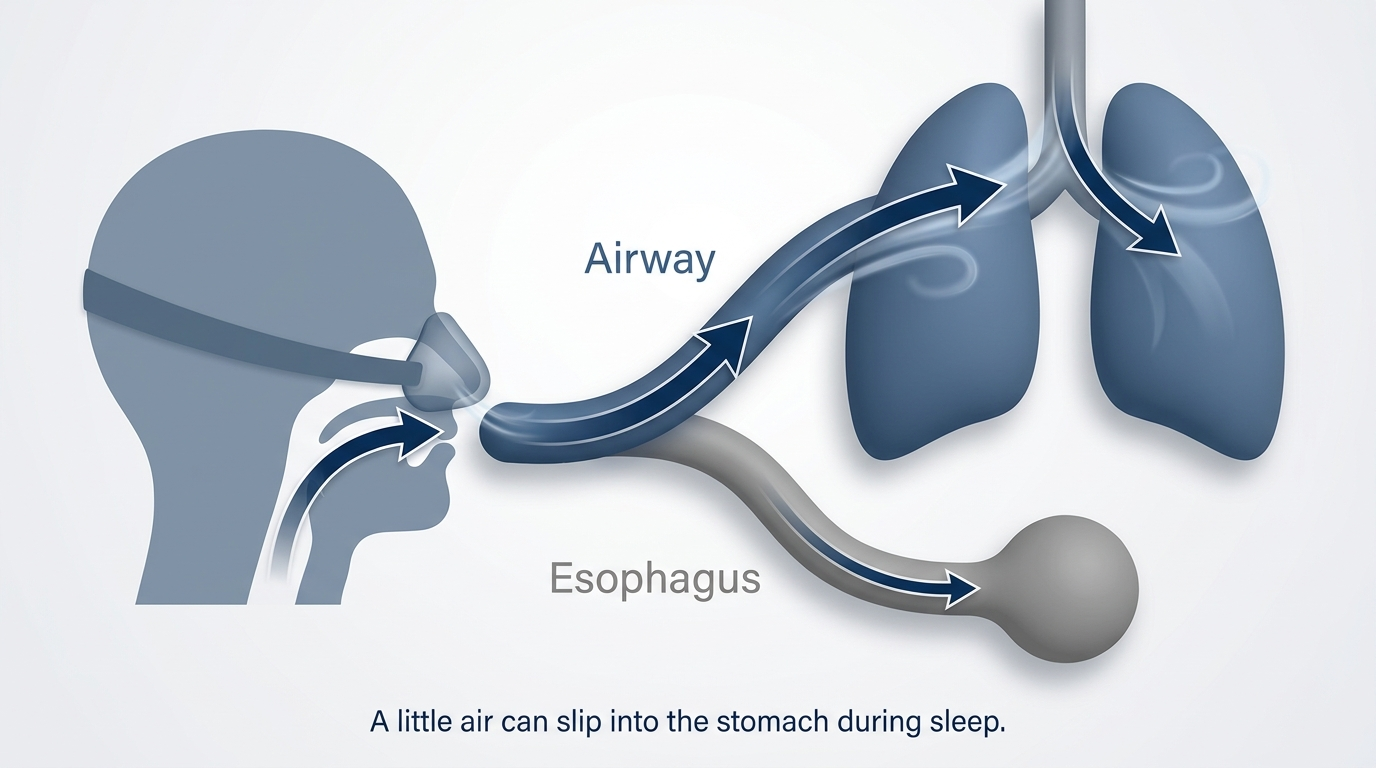
Aerophagia means “air swallowing.” In CPAP therapy, it describes air that goes beyond the airway and ends up in the esophagus, stomach, and intestines, leading to gas-related symptoms like bloating and burping.
A simple analogy: CPAP is meant to “splint” your airway open, like propping open a soft straw. But if air slips into the “wrong tube” (the esophagus), it can inflate the stomach a bit—like a small balloon—creating pressure, belching, or discomfort.
This is a recognized CPAP side effect, but reported rates vary widely—some studies estimate roughly 7–16%, while other research and symptom surveys suggest many more people notice at least mild GI symptoms after starting therapy. Numbers vary because many people also have baseline digestive symptoms before CPAP. [1–4]
Takeaway: It’s common, usually temporary, and often improves once pressure, mask fit, and sleep habits are tuned.
Aerophagia symptoms: what you may notice (and when)
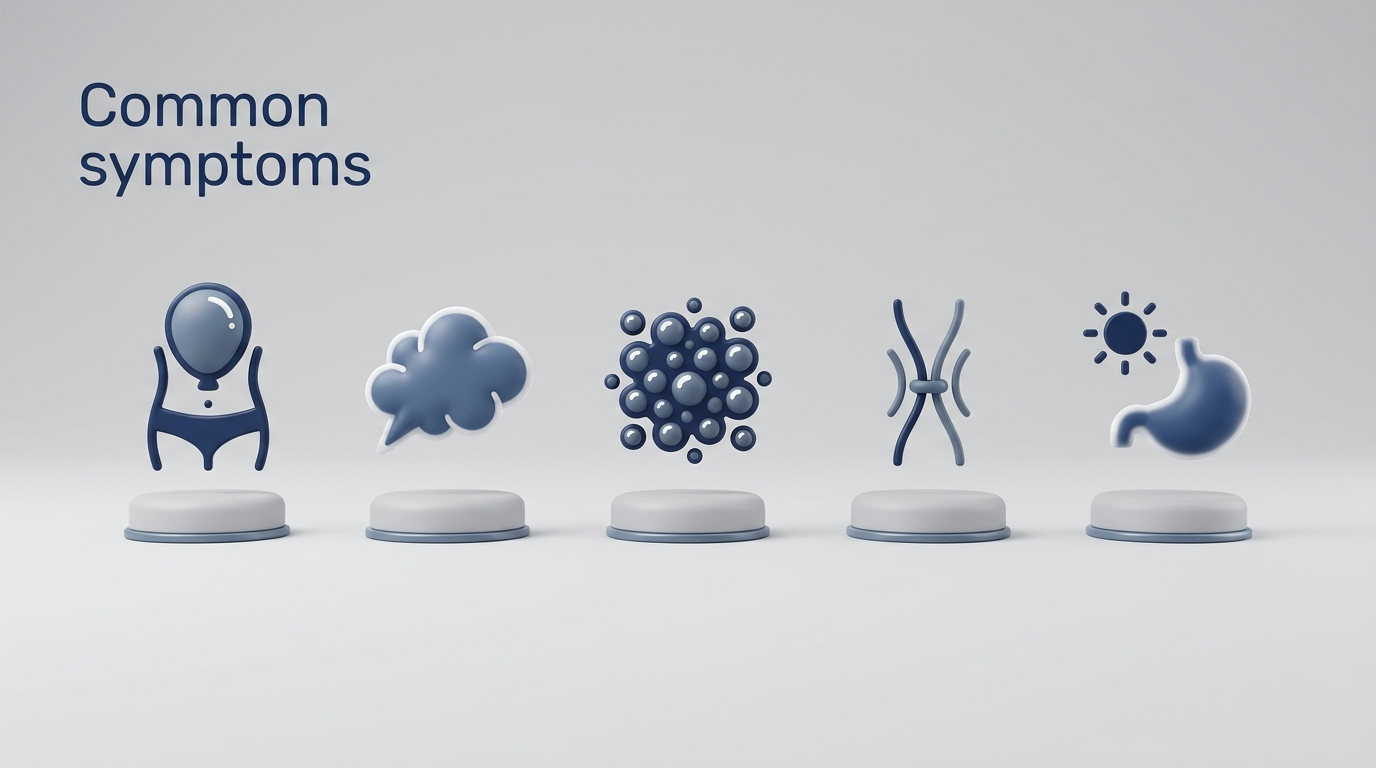
Common symptoms
- Stomach bloating with CPAP (abdominal fullness or distention)
- Belching / CPAP burping
- Passing gas (CPAP flatulence)
- Abdominal discomfort or cramping
- Feeling “overfull” in the morning—even without a large dinner
A common patient description sounds like: “My apnea feels better, but I wake up feeling like I swallowed a bunch of air.”
Timing and patterns that are typical
For many users, symptoms show up early after starting CPAP, often within the first month, as the body adapts and settings are fine-tuned. [1–4]
- Worse on nights with higher pressure needs (more time on your back or more REM sleep)
- Worse with mask leak or mouth breathing
- Worse after late meals or reflux triggers (spicy/fatty foods, alcohol)
If you notice a pattern—like “bloating is worst on nights I wake up to fix my mask”—that’s useful troubleshooting data, not a personal failure.
When symptoms are a red flag (seek urgent care)
- Severe or worsening abdominal pain
- Persistent vomiting, blood in vomit or stool
- Fever, rigid abdomen, inability to pass gas/stool
- New chest pain (especially with shortness of breath)
Takeaway: Track patterns, but treat severe or worrisome symptoms as urgent.
Why CPAP causes aerophagia (mechanism, explained simply)
The “two tubes” problem: airway vs esophagus during sleep
Your throat is a shared “crossroads” for breathing and swallowing. During sleep, muscle tone relaxes and coordination changes. With positive airway pressure, air is delivered to keep the airway open—but in some people, pressurized air can also pass into the esophagus, then into the stomach and intestines. [2–4]
A clinician might explain it like this: “We’re pushing air toward the lungs, but sleep can make the ‘valves’ a little looser—so some air takes the easier path.”
Pressure and physiology factors
CPAP changes pressure dynamics in the upper airway and can increase the pressure gradient that encourages air to move where you don’t want it. [2,4] Some people are more sensitive due to:
- Lower esophageal sphincter (LES) relaxation tendencies
- Co-existing reflux symptoms
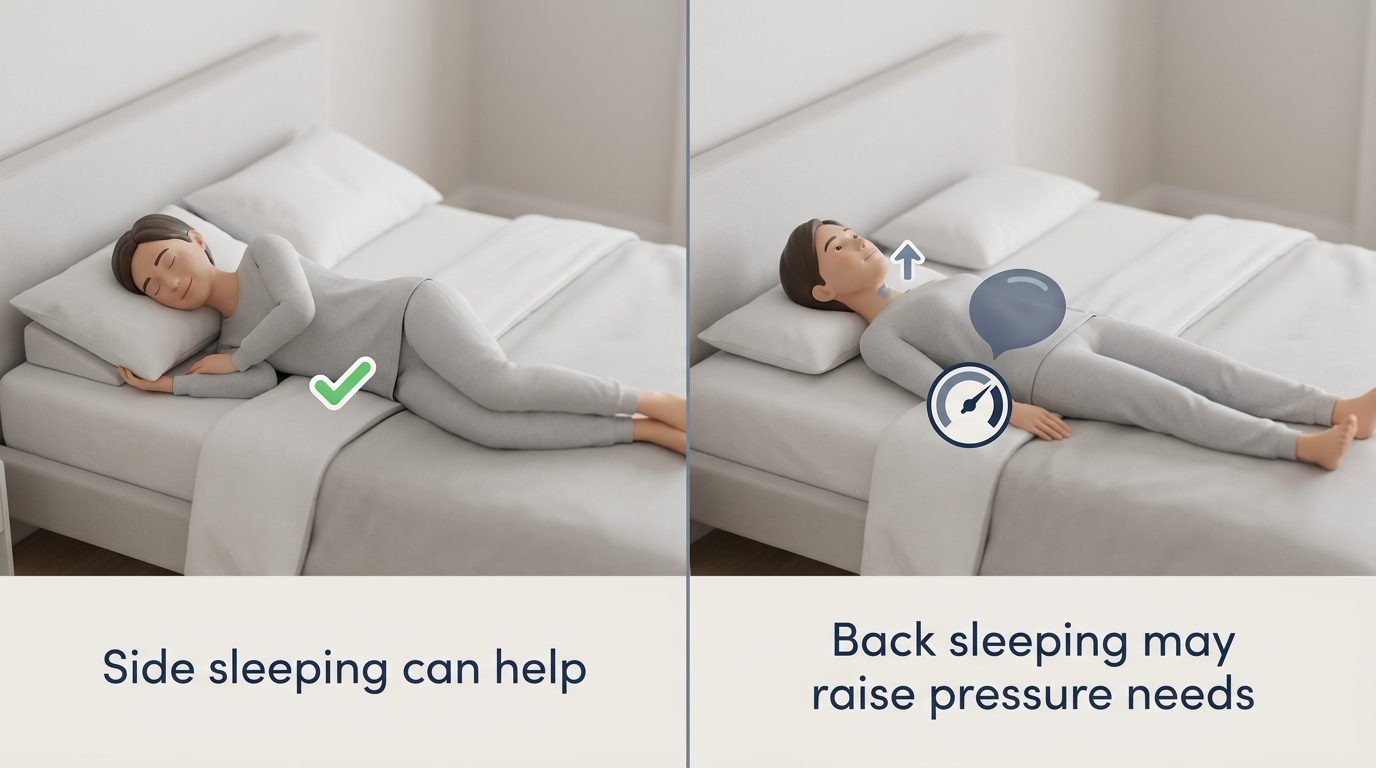
- Back sleeping, which can increase both apnea severity and pressure needs
This is why aerophagia from CPAP often overlaps with questions about reflux, sleep position, mask leak, and whether pressures are higher than necessary.
Takeaway: Air meant for the airway can slip into the esophagus—especially with higher pressures, back sleeping, or reflux tendencies.
How common is CPAP aerophagia?
What research shows (and why numbers vary)
Different studies define “aerophagia” differently—some count only significant discomfort, while others include any new gas or bloating. Many people also have GI symptoms before CPAP, which can blur the picture. [1]
With that context, published estimates range widely. Some studies land around 7–16%, while other symptom questionnaires have found that a much larger portion of users—sometimes approaching ~50% in certain settings—notice gas-related symptoms after starting therapy. [1,4]
Does aerophagia make people stop CPAP?
Most cases are mild to moderate and improve with troubleshooting. However, a smaller subset of users may reduce use or discontinue therapy if the discomfort isn’t addressed. [2–4] If you’re tempted to stop, it’s worth connecting with your CPAP support team first—small changes can make a big comfort difference.
Takeaway: Prevalence varies by definition, but most people improve and stay on therapy with targeted adjustments.
What makes aerophagia worse? (common triggers)
CPAP settings and equipment
- Pressure set higher than needed, or pressure spikes during the night
- Certain leak patterns (especially when you “chase” the seal by tightening)
- Mouth leak, which can increase perceived airflow and swallowing
If you’re wondering about CPAP pressure too high symptoms, see: CPAP pressure too high—key signs https://sleepandsinuscenters.com/blog/cpap-pressure-too-high-key-signs-your-cpap-pressur-20260703190934
One practical example: if your mask leaks, you may subconsciously “gulp” air or take bigger breaths against the flow. Fixing the leak often reduces that urge.
Sleep habits and body position
- Back sleeping can increase airway collapse in many people, which can raise pressure needs and worsen CPAP gas and bloating
- Sleeping flat may aggravate reflux in susceptible people
Lifestyle contributors
Extra swallowed air and reflux triggers can amplify symptoms:
- Carbonated drinks, gum, hard candy
- Large or late meals
- Alcohol close to bedtime (can relax muscles and worsen reflux and apnea)
Takeaway: Higher or fluctuating pressures, leaks, back sleeping, and evening reflux triggers commonly amplify symptoms.
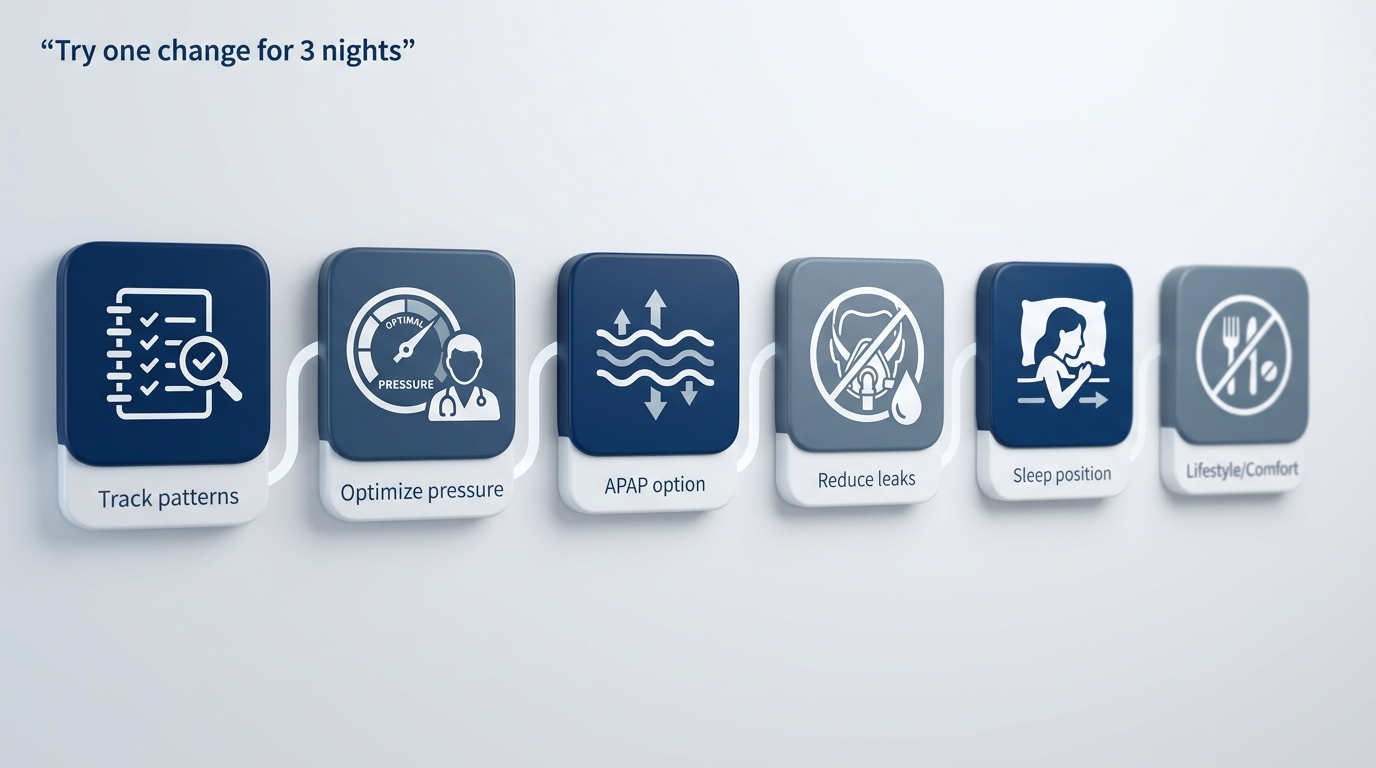
How to stop swallowing air on CPAP (step-by-step troubleshooting)
A simple plan: try one change at a time for 3 nights, keep notes, then reassess. This prevents “fix fatigue” and helps you and your clinician identify what actually worked.
Step 1 — Don’t change settings alone (but do collect the right info)
Pressure changes are best done with your sleep clinician or DME team. Before you contact them, track for a week:
- Bloating severity (0–10) and timing
- Mask type + whether you wake with a dry mouth
- Leak alerts or “farty” mask noises overnight
- Sleep position (side vs back)
- Evening meal timing, carbonation, alcohol
A short note like “bloating 7/10 after nights with large leak alerts” is incredibly actionable.
Step 2 — Optimize pressure (most common fix)
Any pressure changes should be clinician-directed and checked against therapy data. Approaches may include:
- Clinician-guided, small pressure adjustments if therapy effectiveness remains strong [2–4]
- Comfort features such as ramp or expiratory pressure relief (EPR on ResMed; Flex on Philips devices), if these are part of your prescribed settings
- Reviewing device data for clues that pressure is running higher than needed
More on pressure clues: CPAP pressure too high—key signs https://sleepandsinuscenters.com/blog/cpap-pressure-too-high-key-signs-your-cpap-pressur-20260703190934
Step 3 — Consider APAP or another PAP mode
Auto-adjusting Positive Airway Pressure (APAP) may help by reducing overall pressure exposure—delivering higher pressures only when needed. APAP is not appropriate for everyone and should be clinician-guided. [2–4]
Learn more: APAP machine (what it is and when it’s better) https://sleepandsinuscenters.com/blog/apap-machine-what-it-aos-better
Step 4 — Mask strategy: reduce leak and mouth breathing
- Some users have fewer symptoms with a nasal mask or nasal pillows (depends on anatomy and breathing habits)
- Mouth breathing can increase leak and encourage air swallowing
Comparison guide: Full-face vs nasal pillow masks https://sleepandsinuscenters.com/blog/full-face-vs-nasal-pillow-masks-which-cpap-mask-is-best-for-you
If mouth leak seems likely, helpful resources:
- CPAP mouth leak fixes https://sleepandsinuscenters.com/blog/effective-cpap-mouth-leak-fixes-top-solutions-for-better-therapy
If nasal congestion is pushing you toward mouth breathing:
- Blocked nose during CPAP https://sleepandsinuscenters.com/blog/blocked-nose-during-cpap-ent-strategies
In some cases, clinicians may suggest a chin strap to reduce mouth leak. [2–4]
Step 5 — Change sleep position (often underused)
Side sleeping can lower pressure needs for some people and may reduce air swallowing. [2–4] Consider a body pillow, positional devices, or head-of-bed elevation when reflux is part of the picture (discuss with your provider).
Reflux help: Best sleep positions for acid reflux relief https://sleepandsinuscenters.com/blog/best-sleep-positions-for-acid-reflux-relief-tips-to-stop-heartburn
Step 6 — Simple lifestyle + OTC options for symptom relief
- Avoid carbonated beverages after dinner
- Skip gum and hard candy in the evening
- Eat a smaller dinner and finish meals 2–3 hours before bed
- Some ask about OTC anti-gas options such as simethicone; a clinician or pharmacist can advise what’s appropriate
If you wake at night and feel like you’re “gulping” air, pause, exhale slowly, and reset the mask seal rather than taking big breaths against a leak.
Takeaway: Tackle one change at a time—start with clinician-guided pressure comfort, leak control, and side sleeping, then layer simple lifestyle tweaks.
Aerophagia vs reflux vs “normal CPAP adjustment”—how to tell the difference
Clues it’s mainly aerophagia
- Bloating and burping that began soon after starting therapy
- Symptoms clearly worse on higher-pressure nights or nights with leak
- Morning abdominal fullness without classic heartburn
Clues reflux may be playing a role
- Heartburn, sour taste, chronic throat clearing, or morning hoarseness
- Symptoms worse after late meals, alcohol, or sleeping flat
Why it matters
Reflux triggers and sleep position can amplify CPAP air swallowing. Addressing both the airflow side (pressure/leak/mask) and the reflux side (timing/position) often makes symptoms easier to control. [2–4]
Takeaway: Treat the airflow and reflux angles together for the best symptom control.
When to see a specialist (and what testing can confirm)
When you should escalate care
- Symptoms persist beyond a few weeks despite mask/position/comfort adjustments
- You’re skipping CPAP due to GI discomfort
- There’s concern for significant reflux or a swallowing disorder
If you’re not sure what’s driving the problem, you’re exactly the kind of patient who benefits from a data review—leak, pressure curves, and symptom timing often tell a clearer story than guesswork.
Diagnostic testing (for select cases)
In complex or refractory situations, specialists can use esophageal pH-impedance testing combined with polysomnography to define reflux and airflow patterns during sleep and confirm whether symptoms track with PAP therapy. This testing is typically reserved for select cases, as determined by a specialist. [2–4]
Takeaway: If symptoms persist or limit use, seek a tailored review—and specialized testing is reserved for select cases.
FAQs (patient-friendly)
“Is aerophagia dangerous?”
Usually it’s not dangerous, but it can be uncomfortable and reduce CPAP use. Red-flag symptoms (severe pain, vomiting, blood, fever, rigid abdomen, chest pain) should be evaluated urgently.
“Will aerophagia go away as I get used to CPAP?”
It often improves after the early adjustment period, especially once pressure, leak, and sleep position are optimized. [2–4]
“Does a full-face mask cause more aerophagia?”
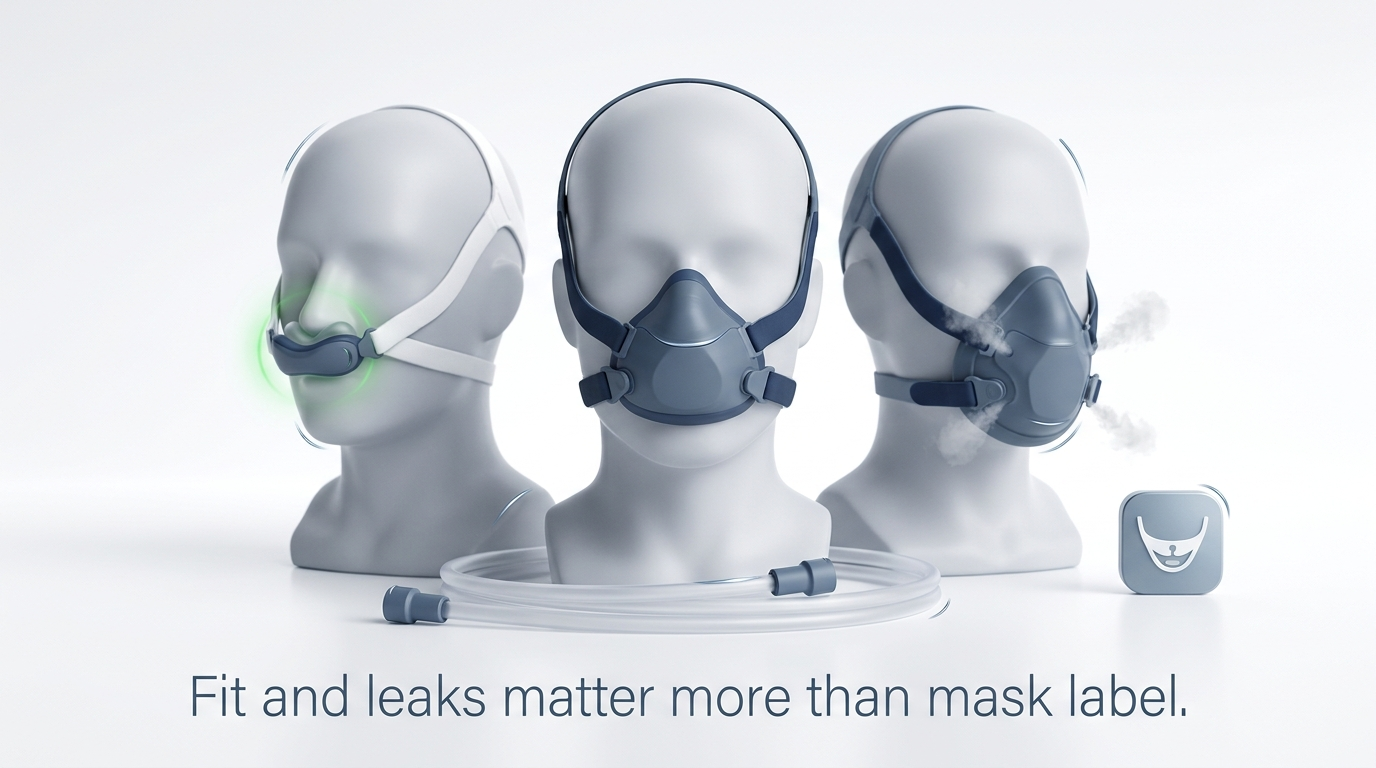
Not always. Some people do better with nasal interfaces, but the biggest drivers are usually leak patterns, mouth breathing, and pressure needs, not the mask label alone. [2–4]
“Can lowering pressure ruin my sleep apnea treatment?”
If done improperly, it can. That’s why pressure changes should be clinician-guided and checked against therapy data. [2–4]
“What’s the fastest thing I can try tonight?”
Common immediate steps include side sleeping, avoiding late carbonation, checking mask seal for leaks, and using ramp/EPR features if they’re already enabled on your prescribed device settings. If symptoms are frequent, tracking patterns for a few nights can help your sleep team tailor changes.
Takeaway: Quick comfort tips can help, but device setting changes should always be clinician-guided.
Key takeaways + next steps
- Aerophagia from CPAP is a recognized, treatable side effect with variable prevalence across studies. [1–4]
- Most people improve with a combination of:
- clinician-guided pressure optimization,
- mask/interface and leak management,
- side sleeping,
- simple lifestyle changes. [2–4]
- If you’re stuck—or if discomfort is affecting CPAP use—loop in your care team rather than abandoning therapy.
If burping is your main symptom, you may also find this helpful: Why does CPAP make me burp? https://sleepandsinuscenters.com/blog/why-does-cpap-make-me-burp-ent-insights
Need help personalizing your setup? If aerophagia is affecting your comfort or your CPAP adherence, consider scheduling a visit with your sleep team. You can also book an appointment with Sleep & Sinus Centers here: https://www.sleepandsinuscenters.com/
References
1. Hillamaa J, et al. Gastrointestinal symptoms and CPAP-related aerophagia. 2025. https://pmc.ncbi.nlm.nih.gov/articles/PMC12101993/
2. SleepApnea.org. Aerophagia (CPAP air swallowing). 2026. https://www.sleepapnea.org/cpap/aerophagia/
3. Sleep Foundation. Aerophagia and CPAP. 2025. https://www.sleepfoundation.org/cpap/aerophagia
4. Fukutome T, et al. Prevalence of CPAP-related aerophagia. Sleep and Breathing. 2024. https://pubmed.ncbi.nlm.nih.gov/39215936/
This article is for educational purposes only and is not medical advice. Please consult a qualified healthcare provider for diagnosis and treatment.
Don’t let allergies slow you down. Schedule a comprehensive ENT and allergy evaluation at Sleep and Sinus Centers of Georgia. We’re here to find your triggers and guide you toward lasting relief.