Best Doctor for Sinus Problems: Symptoms, Treatment & When to See a Specialist
Sinus issues can be deceptively disruptive—affecting breathing, sleep, concentration, and quality of life. A “simple” stuffy nose can turn into nights of mouth breathing, a dull facial pressure that won’t quit, or a lingering post-nasal drip that makes you cough through meetings.
If you’re trying to figure out the right doctor for sinus problems, it helps to know what’s likely causing your symptoms and which type of specialist fits your situation. Think of it like troubleshooting a home plumbing issue: if the “drain” (your sinus pathways) is swollen, narrowed, or blocked, you’ll keep dealing with backup and pressure until the underlying problem is addressed.
Below is a patient-friendly guide to common sinus infection symptoms, frequent underlying causes (like allergic rhinitis, a deviated septum, or nasal polyps), how ENTs diagnose sinus conditions, and what treatment pathways typically look like—ranging from home care to advanced specialty care.
Quick Answer: Who’s the Right Doctor for Sinus Problems?
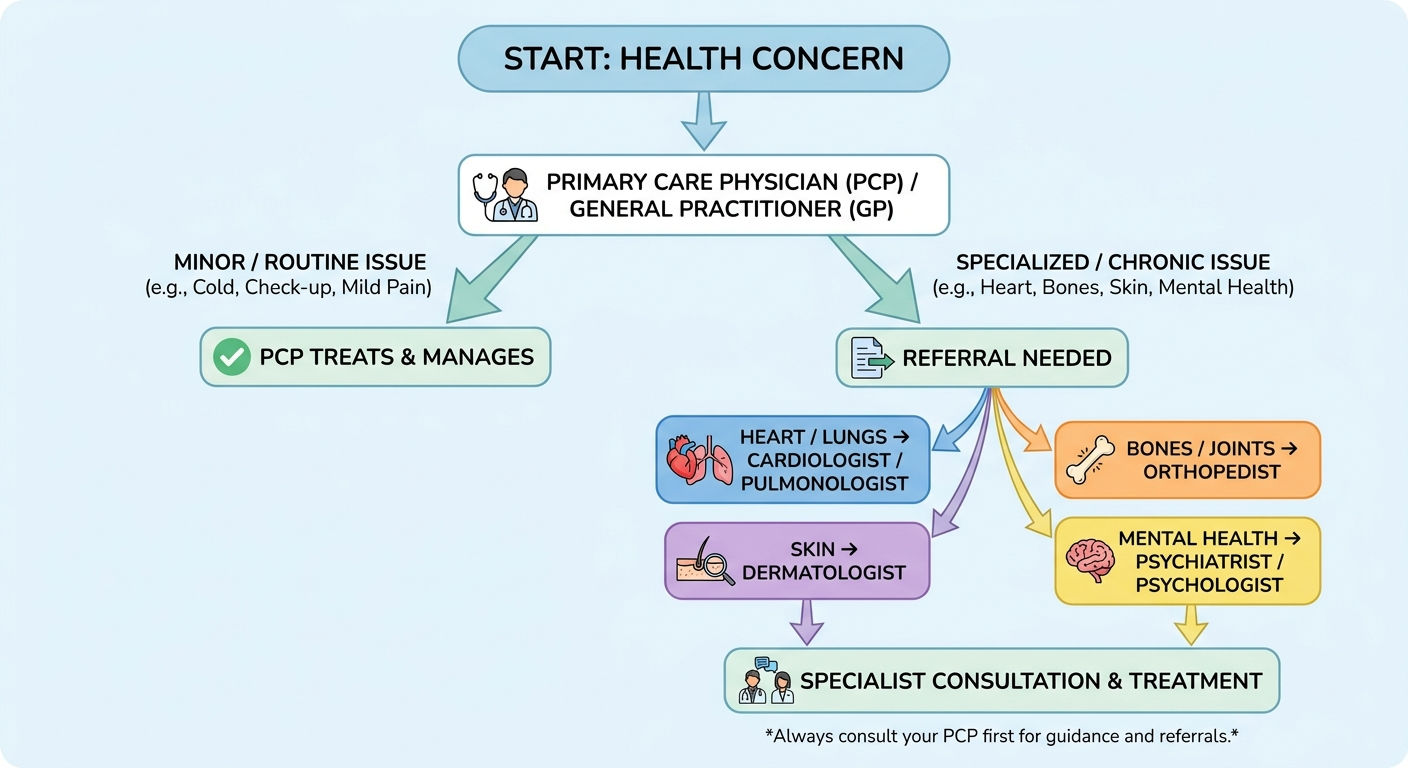
Start with an ENT (otolaryngologist) if sinus symptoms persist or recur. ENTs evaluate and treat a wide range of nasal and sinus conditions using medical therapy, in-office tools, and surgery when appropriate. Common issues ENTs manage include sinus infections and chronic congestion, allergy-related nasal symptoms, nasal obstruction and mouth breathing, nosebleeds, snoring related to nasal blockage, deviated septum and enlarged turbinates, and nasal polyps (Reference 1).
When a rhinologist is the best choice: A rhinologist is an ENT with additional focus on complex nose and sinus disorders—often ideal when symptoms are persistent, complicated, or surgery may be part of the plan. Consider a rhinologist for suspected or confirmed chronic rhinosinusitis not improving, frequent recurring infections, significant polyps, prior sinus surgery, or complex anatomy (Reference 2).
What about primary or urgent care? Primary or urgent care can be appropriate for first-time mild symptoms, typical viral colds, and initial supportive guidance. If symptoms persist, keep returning, or raise concern for chronic inflammation or structural blockage, an ENT evaluation is often the next step (Reference 3).
Bottom line: Start with primary care for early, mild symptoms; consider ENT—and sometimes a rhinologist—when problems persist, recur, or seem complex.
Common Symptoms of Sinus Problems (What Patients Usually Notice)
Nasal and breathing symptoms often include nasal congestion or stuffy nose, thick nasal drainage or post-nasal drip, and reduced smell and taste (Reference 3).
Pain, pressure, and “sinus headache” symptoms can involve pressure or pain around the cheeks, forehead, or eyes, upper tooth pressure, and headaches that may worsen when bending forward (Reference 1).
Infection-like symptoms that can overlap with inflammation include fever (sometimes), fatigue or feeling unwell, bad breath, and cough related to post-nasal drip. Symptoms often overlap, so pattern and duration matter more than any single sign.

What Causes Sinus Problems? (And Why They Keep Coming Back)
Allergies and inflammation: Allergic rhinitis can inflame nasal tissues, increase mucus, and contribute to drainage blockage—setting the stage for recurring symptoms (Reference 1).
Viral vs bacterial infections: Many episodes that feel like a sinus infection are viral or inflammatory; symptoms alone cannot always determine bacterial involvement. Timing and overall course guide decisions (Reference 3).
Structural or mechanical blockage: Narrow or obstructed pathways—such as a deviated septum, enlarged turbinates, or naturally tight drainage—make sinus drainage harder (Reference 3). If the “hallway” is tight, even normal swelling from a cold or allergies can cause complete blockage. Learn more about structure and blockage: https://sleepandsinuscenters.com/deviated-septum-relief
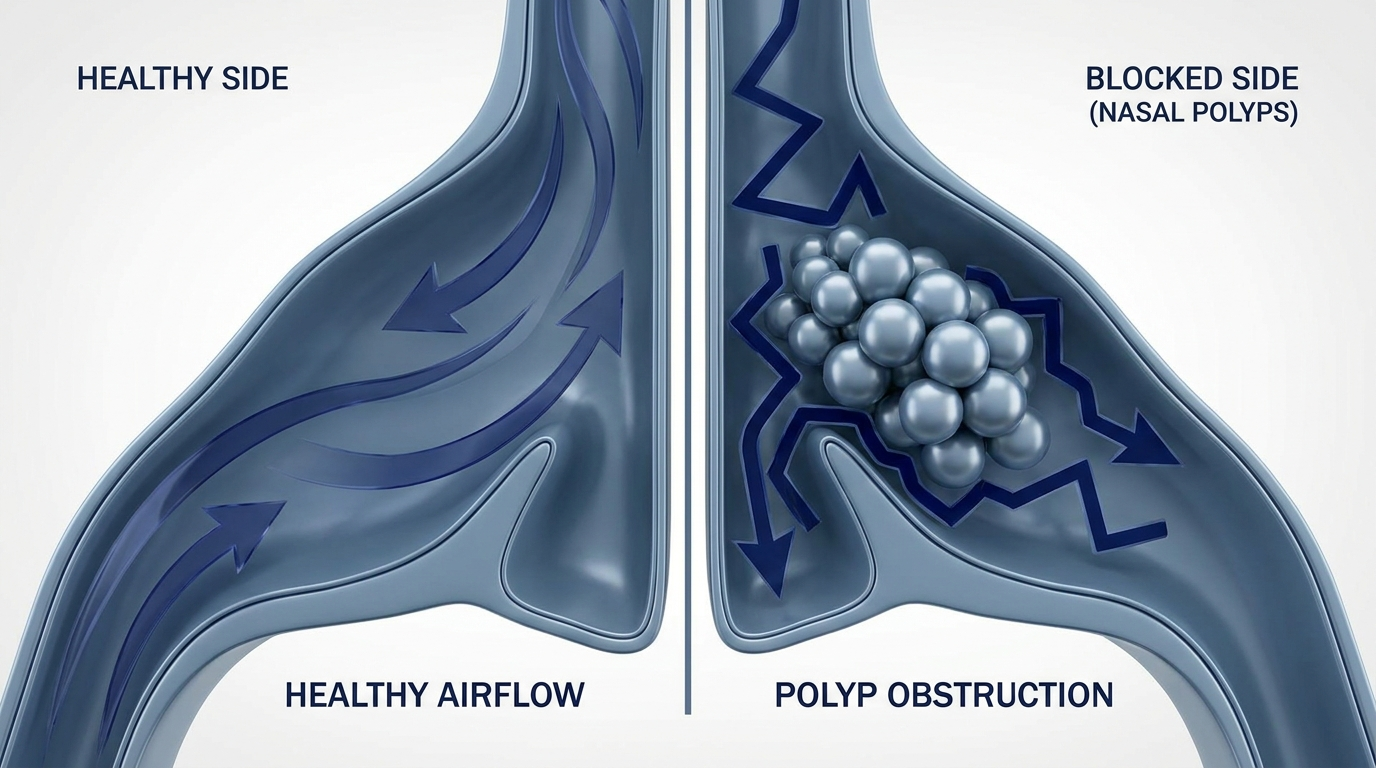
Nasal polyps and chronic rhinosinusitis: Polyps are benign growths linked with chronic inflammation. They can block airflow and drainage and are commonly associated with chronic rhinosinusitis (Reference 3). Read more: What are nasal polyps? https://sleepandsinuscenters.com/blog/what-are-nasal-polyps and Chronic sinusitis overview https://sleepandsinuscenters.com/chronic-sinusitis
Environmental irritants: Ongoing exposure to smoke, strong fragrances, poor indoor air quality, or occupational dusts and chemicals can contribute to inflammation and flare-ups.
Most sinus troubles stem from some mix of inflammation, infection, and anatomy—pinpointing the mix guides treatment.

When to See a Doctor (and When to See an ENT or Sinus Specialist)
See a primary care clinician if symptoms are mild and shorter than about 10 days, you’re steadily improving, or you mainly need supportive care guidance.
Consider primary care or ENT if symptoms last more than 10 days without improvement, keep returning, or significantly affect daily life.
See an ENT if you have persistent nasal blockage (especially one-sided), frequent nosebleeds or concern for polyps, or snoring and mouth breathing tied to chronic congestion (Reference 1).
See a rhinologist or sinus specialist if symptoms last 12 or more weeks (possible chronic rhinosinusitis), you’ve tried consistent medical therapy without relief, you have polyps, complex anatomy, or prior sinus surgery, or you may need advanced procedures or detailed surgical planning (References 2 and 4).
Red flags—seek urgent care or ER now: swelling or redness around the eye or vision changes; severe headache with high fever or stiff neck; confusion or significant facial swelling; higher-risk scenarios such as immunocompromised patients (Reference 3).
If symptoms last, keep returning, or limit your life, it’s time for a targeted evaluation.
How ENTs Diagnose Sinus Problems
Medical history that matters: timeline and pattern (acute, recurrent, chronic); seasonality and allergy triggers; home and work exposures; prior medications tried (antibiotics, nasal sprays, steroid courses, rinses); related conditions (asthma, aspirin sensitivity, prior polyps) (Reference 3).
In-office exam and nasal endoscopy look for swelling and inflammation, drainage patterns, polyps, and structural narrowing (Reference 3).
When imaging helps: A CT scan can clarify anatomy and persistent inflammation when symptoms are chronic, not responding, or when planning procedures (Reference 3). Learn more: What a sinus CT scan shows https://sleepandsinuscenters.com/blog/sinus-ct-scan-what-it-shows-and-how-it-helps-diagnose-sinus-issues
Allergy testing: If congestion and drainage are persistent, seasonal, or clearly triggered by exposures, testing helps identify drivers of inflammation for more targeted care.
A precise diagnosis prevents repeated short courses of only temporary relief.

Treatment Options for Sinus Problems (From Home Care to Procedures)
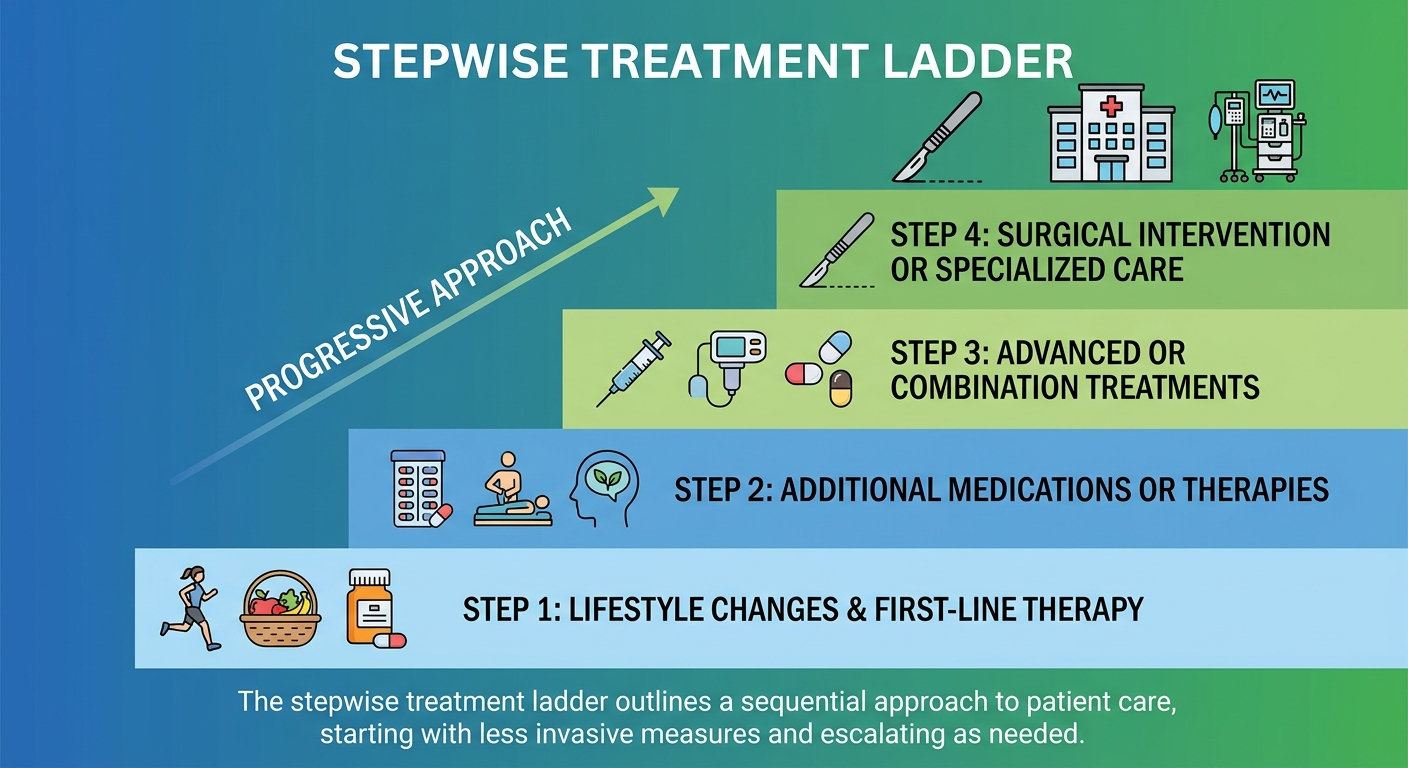
Treatment is stepwise and personalized because sinus problems can stem from infection, inflammation, anatomy, or a combination. The right doctor targets the cause, not just short-term relief.
At-home and conservative support: saline irrigation to clear mucus and allergens, good hydration and humidification, and strict irritant avoidance (especially smoke) (Reference 3).
Medications your doctor may recommend: intranasal steroid sprays for inflammation (often for chronic symptoms), antihistamines for allergy-driven symptoms when appropriate, short-term decongestants in selected cases (note rebound risk mainly with overuse of topical sprays), and antibiotics only when bacterial infection is suspected or confirmed (Reference 3).
Office-based procedures (ENT-led): depending on diagnosis and anatomy, options can include targeted polyp treatments, turbinate reduction, or sinus opening procedures after medical therapy.
Surgical options when needed: functional endoscopic sinus surgery (FESS) for chronic rhinosinusitis not responding to medical therapy (Reference 3), and septoplasty and/or turbinate reduction for structural obstruction when indicated. The goal is to improve airflow and drainage so sprays and rinses work better and flare-ups are less frequent.
Treat the cause—not just the congestion—and escalate stepwise when needed.
Lifestyle Tips to Reduce Sinus Flare-Ups
Daily habits: consider consistent saline rinses during peak allergy seasons when recommended, keep indoor air from becoming overly dry, wash bedding regularly, and consider allergen covers if dust mites are suspected.
Allergy and environment strategies: track pollen counts and limit exposure on high days, shower after outdoor time, and rinse the nose after heavy allergen exposure if tolerated and recommended. Medication safety: avoid overusing topical nasal decongestant sprays due to rebound congestion; use nasal steroid sprays with proper technique.
Small, steady habits can reduce flares and make treatments work better.
Choosing the Best Sinus Doctor (Patient Checklist)
Credentials and expertise: board certification in Otolaryngology (ENT), and a rhinology focus if you have complex disease, polyps, or possible surgical needs (References 2 and 4).
Practical questions: Do you treat chronic rhinosinusitis and nasal polyps regularly? What is the step-by-step plan before considering surgery? Would allergy testing help in my case? When do you refer to a rhinologist?
What to bring: a symptom timeline (duration and frequency), known triggers and seasonal patterns, a full medication list (including sprays and rinses), and prior imaging or test results if available.
The right partner will outline a clear, stepwise plan tailored to your symptoms and goals.
FAQs
Should I see an ENT for a sinus infection? Many mild, short-lived cases can start with primary care. Consider ENT if symptoms persist, keep recurring, or significantly affect breathing and sleep (References 1 and 3).
What’s the difference between an ENT and a rhinologist? An ENT treats a broad range of ear, nose, and throat conditions; a rhinologist is an ENT subspecialist focused on complex nasal and sinus disease, including advanced surgical care (Reference 2).
How do I know if it’s allergies or sinusitis? They can overlap. Seasonality and itching or sneezing point toward allergies; longer-lasting symptoms, reduced smell, and ongoing congestion may suggest chronic inflammation or chronic rhinosinusitis—especially beyond 12 weeks. Diagnosis typically includes objective findings on exam, endoscopy, and/or imaging (References 1 and 3).
Do I always need antibiotics for sinus problems? Not always. Many cases are viral or inflammatory; antibiotics are generally reserved when bacterial infection is suspected or confirmed (Reference 3).
When is chronic rhinosinusitis diagnosed? Commonly when symptoms last 12 weeks or longer along with objective evidence on exam, endoscopy, or imaging (Reference 3).
When in doubt, track your symptoms and seek an evaluation rather than guessing.
Conclusion: The Right Specialist Can Help You Breathe Easier
Key takeaways: For many people, an ENT is a good starting point when sinus symptoms persist or recur (Reference 1). A rhinologist is often ideal for chronic or complex cases, especially with polyps or prior surgery (References 2 and 4). Getting the right diagnosis early can reduce repeat flare-ups, long-term congestion, and sleep disruption.
Call to action: If ongoing congestion, drainage, facial pressure, or suspected chronic rhinosinusitis is affecting your life, Sleep and Sinus Centers of Georgia can help with a focused evaluation and a clear treatment plan. Book an appointment: https://www.sleepandsinuscenters.com/
The sooner you pinpoint the cause, the sooner you can breathe—and sleep—better.
References
1. ENT Health (AAO-HNS) — Sinusitis: https://www.enthealth.org/conditions/sinusitis/
2. Duke Health — Do I Need a Sinus Specialist?: https://www.dukehealth.org/blog/do-i-need-sinus-specialist
3. Mayo Clinic — Chronic sinusitis: Diagnosis & treatment: https://www.mayoclinic.org/diseases-conditions/chronic-sinusitis/diagnosis-treatment/drc-20351667
4. University of Utah Health — Top reasons to see a sinus specialist: https://healthcare.utah.edu/ent/treatments-services/top-reasons-to-see-sinus-specialist
This article is for educational purposes only and is not medical advice. Please consult a qualified healthcare provider for diagnosis and treatment.
Don’t let allergies slow you down. Schedule a comprehensive ENT and allergy evaluation at Sleep and Sinus Centers of Georgia. We’re here to find your triggers and guide you toward lasting relief.