
Best Options for Cold-Related Sinus Congestion: Top Remedies for Faster Relief
A “cold-related sinus congestion” feeling—stuffy nose, facial pressure, and thick mucus—usually comes from a viral cold that causes swelling in the nasal passages and sinus drainage pathways (not a true bacterial sinus infection). The goal is fast, safe symptom relief while your body clears the virus.
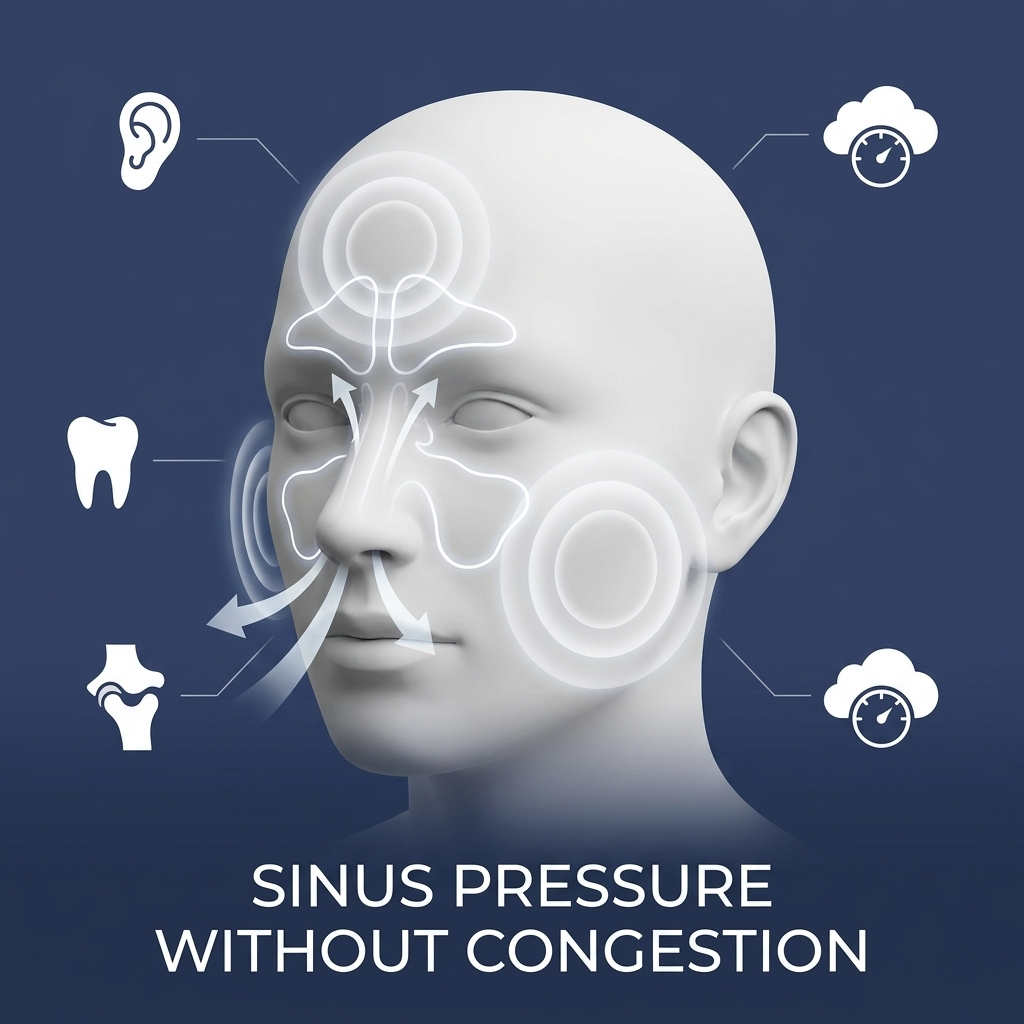
A simple picture: your sinuses drain through narrow “hallways” into the nose. During a cold, those hallways swell and narrow—like a sink drain with the rim squeezed in—so mucus backs up and pressure builds. The most helpful remedies are the ones that reduce swelling and help mucus move.
Note: Medication choices and safety depend on your health history and other medications. If you have severe symptoms, concerning “red flags,” or are unsure what’s safe for you (especially in pregnancy, with heart disease/high blood pressure, or for children), seek clinician guidance.
Quick answer: What tends to help most for cold-related sinus congestion?
Many people get the most relief from a combination rather than a single product:
- Foundation: saline nasal rinse (irrigation) plus an intranasal corticosteroid spray (such as fluticasone) to help calm swelling and support drainage. These sprays may help more when inflammation or allergies are part of the picture and aren’t always immediate.
- Fastest short-term relief: a topical nasal decongestant like oxymetazoline, used for no more than 3 days (or follow the package label/clinician advice) to reduce the risk of oxymetazoline rebound congestion.
- For sinus pressure/pain: acetaminophen or ibuprofen may help headache and facial discomfort.
- Antibiotics: usually not needed for a viral cold; consider evaluation if features suggesting bacterial sinusitis appear.
For a deeper spray comparison, see Best nasal spray for sinusitis (steroid vs saline vs decongestant): https://sleepandsinuscenters.com/blog/best-nasal-spray-for-sinusitis-steroid-vs-saline-vs-decongestant
Educational reference: Mayo Clinic overview of cold remedies and safety considerations (2024): https://www.mayoclinic.org/diseases-conditions/common-cold/in-depth/cold-remedies/art-20046403
Bottom line: Simple combos that reduce swelling and keep mucus moving often provide the quickest comfort.

Cold-related sinus symptoms (what you’re feeling—and why)
Common symptoms with a viral cold
- Stuffy/blocked nose and thick mucus
- Pressure in the forehead or cheeks; sometimes headache
- Post-nasal drip and cough (often worse at night)
- Reduced smell/taste
These symptoms usually come from swelling and slowed mucus movement—not bacteria. In other words, the “pressure” is often an inflammation-and-drainage problem, not an infection that automatically needs antibiotics.
Symptoms that may suggest it’s not just a cold
- High fever or significant fatigue that feels out of proportion
- Severe one-sided facial pain
- Symptoms that worsen after initial improvement (sometimes called “double sickening”)
- Symptoms lasting more than 10 days without improvement
If symptoms are unusually severe, one-sided, persist beyond 10 days, or worsen after seeming better, seek evaluation.
Why colds trigger “sinus” congestion
Viral inflammation and swelling (the main culprit)
When a cold inflames the lining of the nose and sinus outflow tracts, tissues swell, drainage pathways narrow, and mucus movement slows—leading to congestion, pressure/fullness, and post-nasal drip. That’s why relief focuses on calming swelling and improving clearance—not killing germs.
When allergies or chronic rhinitis make colds feel worse
If you already have allergic or non-allergic rhinitis, a cold can hit harder and linger symptom-wise. Consistent steroid spray use can help more in this setting, and antihistamines may be useful if itching/sneezing/clear drainage point toward allergies.
Reference: AAAAI Rhinitis Practice Parameter Update (2020): https://www.aaaai.org/Aaaai/media/Media-Library-PDFs/Allergist%20Resources/Statements%20and%20Practice%20Parameters/Rhinitis-2020-A-practice-parameter-update.pdf
Colds swell the “hallways” that your sinuses use to drain; easing that swelling is the core strategy.
Medicines and remedies for faster relief (what they help most)
1) Saline nasal irrigation (often the best first step)
- What it does: mechanically clears mucus and irritants and supports the nose’s natural clearance system—especially helpful when mucus is thick or sticky.
- Options: squeeze bottle, neti pot, or pressurized saline can.
- Water safety: always use distilled/sterile water, or water that has been boiled then cooled. How-to and safety tips: https://sleepandsinuscenters.com/blog/neti-pot-water-safety-why-boiled-or-distilled-water-is-essential-a906d
- Deeper dive on sprays and rinses: https://sleepandsinuscenters.com/blog/best-nasal-spray-for-sinusitis-steroid-vs-saline-vs-decongestant
2) Intranasal corticosteroid sprays (to calm swelling/blocked nose)
- What they do: reduce inflammation in the nasal lining, which contributes to blockage and pressure.
- Expectation setting: benefits build over days; they’re a steady helper rather than instant relief for everyone.
- Tip: aim slightly outward (toward the ear on the same side), not straight up.
- May be especially helpful if you also have allergic or non-allergic rhinitis.
3) Topical nasal decongestants (rapid relief—short term only)
- Example: oxymetazoline can shrink swollen tissue within minutes.
- Key caution: use for no more than 3 days, or follow the package label/clinician advice, to avoid oxymetazoline rebound congestion (rhinitis medicamentosa).
- What rebound is and how long it can last: https://sleepandsinuscenters.com/blog/afrin-rebound-how-long-does-nasal-congestion-last-after-use
4) Oral decongestants (helpful for some—use with caution)
- Example: pseudoephedrine may reduce swelling and pressure.
- Not for everyone: people with high blood pressure, certain heart conditions/arrhythmias, pregnancy, thyroid disorders, glaucoma, prostate enlargement, or stimulant sensitivity often need extra caution and personalized guidance.
- Safety overview: https://www.mayoclinic.org/diseases-conditions/common-cold/in-depth/cold-remedies/art-20046403
5) Pain relievers (for pressure and headache)
- Acetaminophen or ibuprofen can improve facial discomfort, headache, or fever.
- Safety reminders: mind dosing limits, interactions, and medical conditions; NSAIDs aren’t appropriate for everyone.
6) Antihistamines (limited benefit for a purely viral cold)
- Most useful when allergies contribute—sneezing, itching, clear watery drainage, or known triggers.
- For a non-allergic viral cold, benefit may be limited and some antihistamines can cause drying/sedation.
- Guidance: AAAAI (2020): https://www.aaaai.org/Aaaai/media/Media-Library-PDFs/Allergist%20Resources/Statements%20and%20Practice%20Parameters/Rhinitis-2020-A-practice-parameter-update.pdf
For many people, saline + a steroid spray forms a steady foundation, with a short-term topical decongestant reserved for tough moments.

What about antibiotics?
Why antibiotics usually don’t help
Most cold-related sinus congestion is viral, and antibiotics don’t treat viruses. Unnecessary antibiotics can cause side effects and contribute to resistance.
Reference: Mayo Clinic (2024): https://www.mayoclinic.org/diseases-conditions/common-cold/in-depth/cold-remedies/art-20046403
Features that may suggest bacterial sinusitis and should prompt evaluation
- Persistent symptoms longer than 10 days without improvement
- Severe symptoms (for example, high fever with marked facial pain)
- Worsening after initial improvement (“double sickening”)
Helpful explainer: Viral vs bacterial sinus infections: https://sleepandsinuscenters.com/blog/viral-vs-bacterial-sinus-infections-key-differences
Antibiotics are for select cases that fit a likely bacterial pattern—when in doubt, get evaluated rather than guessing.

A simple 24–72 hour relief plan
Morning
- Saline rinse (irrigation) to clear mucus
- Intranasal steroid spray to calm swelling (if using one)
- Pain reliever if headache/pressure stands out
Midday (as needed)
- Short course of topical decongestant (oxymetazoline) for severe blockage—track days to avoid rebound
- Hydration and warm fluids for comfort
Night
- Saline rinse before bed
- Humidified air or a warm shower for comfort
- Head elevation to reduce pooling and post-nasal drip
- If you use CPAP, see comfort strategies: https://sleepandsinuscenters.com/blog/cpap-tips-for-using-your-machine-during-a-cold
Keep decongestant sprays for the worst days or important events, and cap use at 3 days per label or clinician advice.

Lifestyle tips that make a difference
- Hydration and warm fluids can soothe the throat and help you feel better overall.
- Humidified air and avoiding irritants (smoke, strong scents) can reduce irritation.
- Rest and pacing matter—sleep disruption often worsens cold symptoms.
- Try head elevation to support drainage. Position ideas: https://sleepandsinuscenters.com/blog/sleeping-positions-that-help-sinus-drainage
Small comfort steps—hydration, humidity, rest, and head elevation—often add up to better days and nights.
Special situations and safety notes
High blood pressure or heart disease
- Non-drug options (saline rinses) and intranasal steroid sprays are common starting points.
- Oral decongestants warrant extra caution; ask a clinician first.
Pregnancy
- Many start with non-drug measures and then review options with an OB clinician.
Kids
- OTC cold products have age limits and different safety considerations. Saline and clinician guidance are often emphasized.
CPAP users
- Congestion can make CPAP uncomfortable; see tips for settings, humidity, and mask comfort: https://sleepandsinuscenters.com/blog/cpap-tips-for-using-your-machine-during-a-cold
When medical conditions, pregnancy, or age are factors, prioritize safety-first measures and clinician guidance.
When to see a doctor (or an ENT)
Urgent red flags
- Trouble breathing
- Swelling around the eyes, eye pain, or vision changes
- Severe headache, stiff neck, confusion, or significant drowsiness
Book a visit if
- Symptoms last more than 10 days without improvement
- Severe one-sided facial pain develops
- You’re getting frequent “sinus infections”
- You suspect rebound congestion from decongestant sprays
An ENT or other qualified clinician can evaluate persistent or recurrent symptoms to check for issues like chronic rhinitis, recurrent sinusitis, structural blockage, or spray overuse. If you’re local and prefer in-person care, request an appointment: https://sleepandsinuscenters.com/appointments
Timely evaluation can prevent prolonged discomfort and identify problems that simple home remedies can’t fix.
FAQs
What is the best medicine for cold-related sinus pressure?
- Many people get the most relief from a combination: saline nasal rinse plus an intranasal corticosteroid spray to address swelling, a short-term topical decongestant for significant blockage, and acetaminophen/ibuprofen for pain. Safety varies by person, so follow labels and seek guidance if unsure.
Reference: Mayo Clinic (2024): https://www.mayoclinic.org/diseases-conditions/common-cold/in-depth/cold-remedies/art-20046403
Is Afrin (oxymetazoline) safe for sinus congestion?
- It can be safe for rapid, short-term relief. To reduce the risk of oxymetazoline rebound congestion, use for no more than 3 days or follow the package label/clinician advice.
Learn more: https://sleepandsinuscenters.com/blog/afrin-rebound-how-long-does-nasal-congestion-last-after-use
Do I need antibiotics for sinus congestion with a cold?
- Usually not. Consider evaluation if symptoms persist >10 days without improvement, are severe, or worsen after initial improvement.
Explainer: https://sleepandsinuscenters.com/blog/viral-vs-bacterial-sinus-infections-key-differences
Do steroid nasal sprays work for a cold?
- They can help by reducing inflammation that contributes to blockage and pressure, though benefits are not always immediate and may be greater when rhinitis/allergies are involved.
What decongestant is safest with high blood pressure?
- Safety depends on your health history. Many people prioritize non-decongestant options first (saline rinses and intranasal steroid sprays) and ask a clinician before using oral decongestants.
For most viral colds, a steady, safety-first plan beats chasing a single “miracle” med.

Conclusion: A practical combo usually works best
- Build a foundation with saline nasal irrigation and, when appropriate, an intranasal corticosteroid spray.
- Save topical decongestant for short-term, high-need moments—and cap use per label to avoid rebound.
- Use a pain reliever for headache and facial pressure.
- Watch for features that suggest bacterial sinusitis, and get evaluated if symptoms persist or worsen.
Reduce swelling, keep mucus moving, and use short-term decongestants wisely for the fastest path back to comfortable breathing.
References
- Mayo Clinic (2024): https://www.mayoclinic.org/diseases-conditions/common-cold/in-depth/cold-remedies/art-20046403
- AAAAI Rhinitis Practice Parameter (2020): https://www.aaaai.org/Aaaai/media/Media-Library-PDFs/Allergist%20Resources/Statements%20and%20Practice%20Parameters/Rhinitis-2020-A-practice-parameter-update.pdf
This article is for educational purposes only and is not medical advice. Please consult a qualified healthcare provider for diagnosis and treatment.
Don’t let allergies slow you down. Schedule a comprehensive ENT and allergy evaluation at Sleep and Sinus Centers of Georgia. We’re here to find your triggers and guide you toward lasting relief.