Why Does My Nose Get Congested? Common Causes and Treatments
A stuffy nose can feel simple, but it usually comes from one (or more) of three things: swelling/inflammation inside the nose, extra mucus, or a physical blockage. The most effective treatment depends on the underlying cause, which a clinician can help identify if symptoms persist.
A quick analogy: imagine your nose like a hallway. Inflammation is the walls swelling inward, mucus is clutter piling up, and a structural issue is a hallway that’s narrow to begin with. Different problems—different solutions.
In this guide, you’ll learn what nasal congestion really means, why nasal congestion at night is so common, the most likely stuffy nose causes (from rhinitis to structural issues), evidence-backed treatment options (including saline irrigation and an intranasal corticosteroid spray), and when it’s time to get checked. Nasal congestion is often linked to swollen nasal tissues and mucus buildup, though structural issues can also contribute. (Mayo Clinic, 2026)
What “Nasal Congestion” Actually Means
Congestion vs. runny nose vs. sinus pressure
- Nasal congestion is that “blocked nose” feeling—often due to swollen nasal lining and/or thick or trapped mucus.
- A runny nose (rhinorrhea) is drainage that may happen with or without strong blockage.
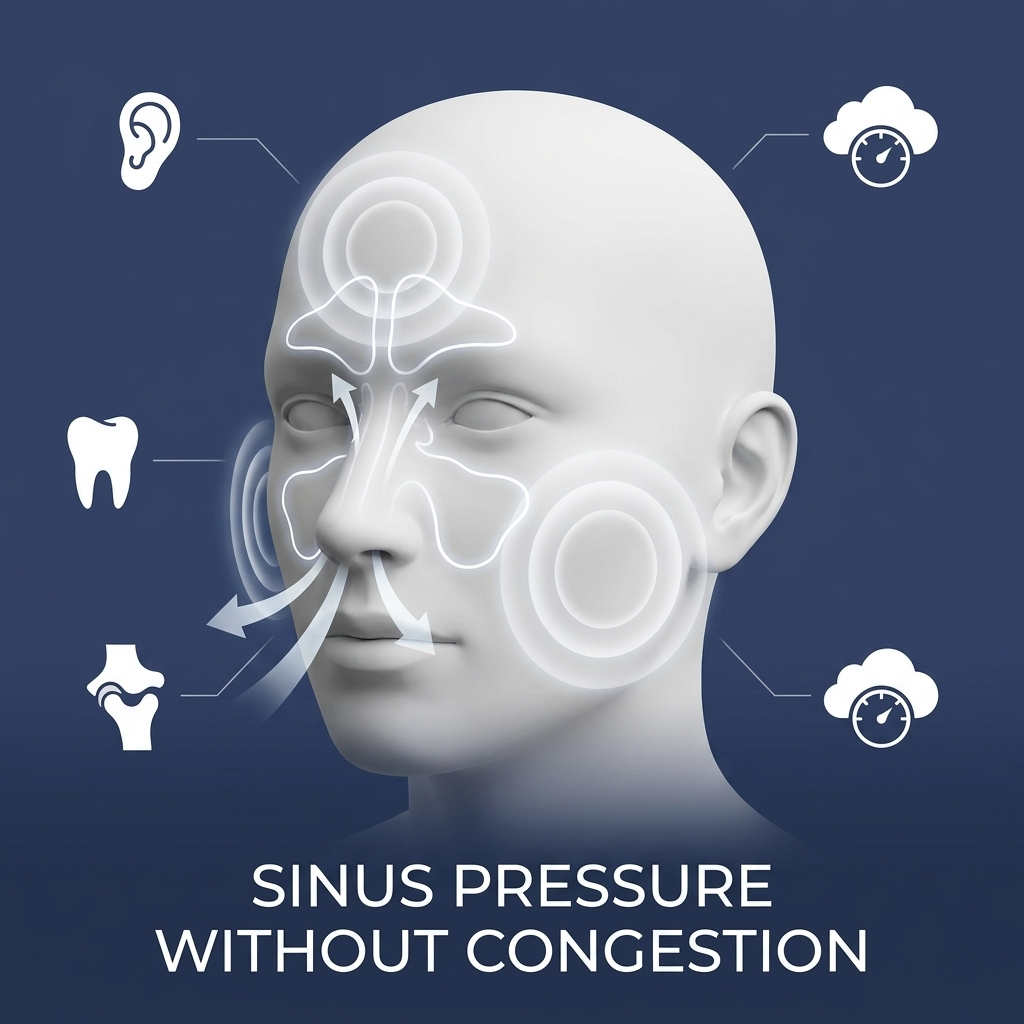
- Sinus pressure can overlap with congestion, but pressure alone doesn’t automatically mean infection.
If you’ve been wondering, why does my nose get congested so easily, it’s often because the lining inside the nose is reacting to irritation, allergens, infection, or dryness—and it swells. That swelling can be surprisingly powerful; even small changes inside a narrow nasal passage can noticeably reduce airflow.
Why rhinitis is a very common reason
Many everyday cases of stuffiness are due to rhinitis, meaning inflammation of the nasal lining. Rhinitis comes in two major categories: allergic rhinitis (hay fever) and nonallergic rhinitis. (AAAAI, 2026)
In clinic, it often sounds like: “I’m not that sick—I just can’t breathe through my nose.” Rhinitis is one of the most common explanations for that exact experience.
Typical symptoms and what they can suggest
Typical symptoms
- Stuffy/blocked nose (one side or both)
- Mouth breathing, snoring, waking with dry mouth
- Reduced smell or taste
- Post-nasal drip and frequent throat clearing
A helpful detail: congestion doesn’t always feel “wet.” Some people feel blocked mainly from swelling, even when mucus is minimal—especially with irritants, dry air, or chronic inflammation.
Symptom patterns that offer clues (not a diagnosis)
- Itchy eyes + sneezing + clear drip often points toward allergies.
- More blockage than sneezing/itching can fit nonallergic rhinitis or structural factors.
- Thicker drainage + facial pressure/fullness can show up with sinus inflammation.
These aren’t hard rules, but they’re useful starting points when deciding what to try—and when to seek help.
Red flags—when congestion needs prompt medical care
- Significant facial swelling, high fever, severe headache, stiff neck, or vision changes
- Shortness of breath, wheezing, or chest tightness
- Heavy/recurrent nosebleeds
- One-sided symptoms that persist, worsen, or don’t respond to treatment should be evaluated
- Persistent congestion that doesn’t improve with appropriate over-the-counter treatment
Summary: Most “blocked nose” sensations reflect swelling and/or mucus; if symptoms persist, a clinician can help determine the cause.

Why Nasal Congestion Often Gets Worse at Night
Lying down slows drainage
When you recline, nasal and sinus drainage can slow, so mucus can pool and create more of a “blocked” sensation. (Cleveland Clinic, 2025)
Some people describe it like flipping a bottle on its side: what would normally “run down” doesn’t move as easily, so you feel more backed up when you’re flat.
Bedroom triggers: dust mites, pet dander, mold
Bedrooms often concentrate indoor allergens in pillows, bedding, carpets, and soft furniture. When symptoms reliably worsen overnight or early in the morning, allergic rhinitis becomes more likely.
A very common story is: “I’m okay all day, but the minute I get into bed, my nose plugs up.” That pattern doesn’t prove allergies—but it’s a strong hint to look closely at bedroom exposures.
For a deeper dive on nighttime breathing, see Sleep and Sinus Centers of Georgia’s guide on can’t breathe through your nose at night: https://sleepandsinuscenters.com/blog/cant-breathe-through-nose-at-night
Reflux can irritate the upper airway
In some people, nighttime reflux—especially laryngopharyngeal reflux (sometimes called silent reflux)—may irritate the throat and upper airway and contribute to swelling or mucus. This is one of several possible contributors; a clinician can help sort out patterns if reflux symptoms are also present. (Cleveland Clinic, 2025)
Summary: At night, position, bedroom exposures, and reflux can stack the deck against clear breathing.

The Most Common Causes of a Congested Nose
Allergic rhinitis (hay fever)
- Triggers: pollen, dust mites, pet dander, mold
- Clues: sneezing, itchy/watery eyes, clear runny nose, and predictable seasonality (or symptoms that flare around certain environments). (AAAAI, 2026)
When people ask, why does my nose get congested every spring or after cleaning the house, allergies are often the reason. Another clue: symptoms that improve when you’re away from a trigger (for example, traveling or sleeping in a different environment).
Nonallergic rhinitis
- Triggers: strong odors/fragrances, smoke, pollution, weather changes, spicy foods, some medications, and hormonal shifts
- Clues: congestion and/or runny nose without prominent itchiness, often tied to irritants rather than allergens. (NHS, 2026)
Nonallergic rhinitis can feel frustrating because it’s not always predictable—one day a scented candle is “fine,” the next day it’s not. The key is that the nasal lining is reactive, even without a classic allergy mechanism.
Viral upper respiratory infection (common cold)
Colds commonly cause temporary congestion plus sore throat, cough, and fatigue. Symptoms often improve over several days and generally resolve within about 1–2 weeks (though timing varies). If you’re progressively improving, that trend supports a typical viral course. If you’re not improving or symptoms are repeatedly recurring, it may be time to consider rhinitis, sinus inflammation, or structural factors.
Sinusitis (when inflammation involves the sinuses)
Sinus inflammation can cause:
- Nasal obstruction
- Facial pressure/fullness
- Thicker drainage
- Reduced sense of smell
Not every “sinus” episode is bacterial; many cases are viral or inflammatory and improve with time and supportive care. This is one reason clinicians often emphasize symptom duration and severity before jumping to stronger treatments.
Structural or “mechanical” blockage
Sometimes the issue isn’t only inflammation—it’s anatomy. Examples include:
- Deviated septum
- Enlarged turbinates
- Nasal valve collapse
- Nasal polyps
Clues: long-standing one-sided blockage, limited response to typical rhinitis treatments, or symptoms that are consistently worse with sleep or exercise. Think of it like a door that only partially opens: even if swelling improves, airflow may still be limited.
Medication-related congestion (including rebound)
Overusing topical decongestant sprays (such as oxymetazoline) can lead to rebound congestion—also called rhinitis medicamentosa—where the nose becomes more blocked as the spray wears off. (PMC review, 2020)
A common cycle is: quick relief → spray wears off → worse congestion → more spray. If that sounds familiar, it’s a strong reason to check in with a clinician for a safe plan.
Learn more from Sleep and Sinus Centers of Georgia about rebound congestion from nasal sprays: https://sleepandsinuscenters.com/blog/do-nasal-sprays-cause-rebound-congestion
Hormonal causes (pregnancy, thyroid shifts, etc.)
Hormonal changes can increase nasal swelling and mucus production in some people. This is often temporary, but persistent symptoms deserve evaluation—especially if sleep is disrupted.
Summary: Many everyday cases trace back to rhinitis, but structural and medication factors are also common.

Treatments That Work (Based on the Cause)
Because congestion can come from inflammation, mucus, or structure, the best plan depends on the driver. If your main question is how to clear a blocked nose, the options below are common starting points clinicians consider—especially for rhinitis-related congestion.
First-line basics for most people
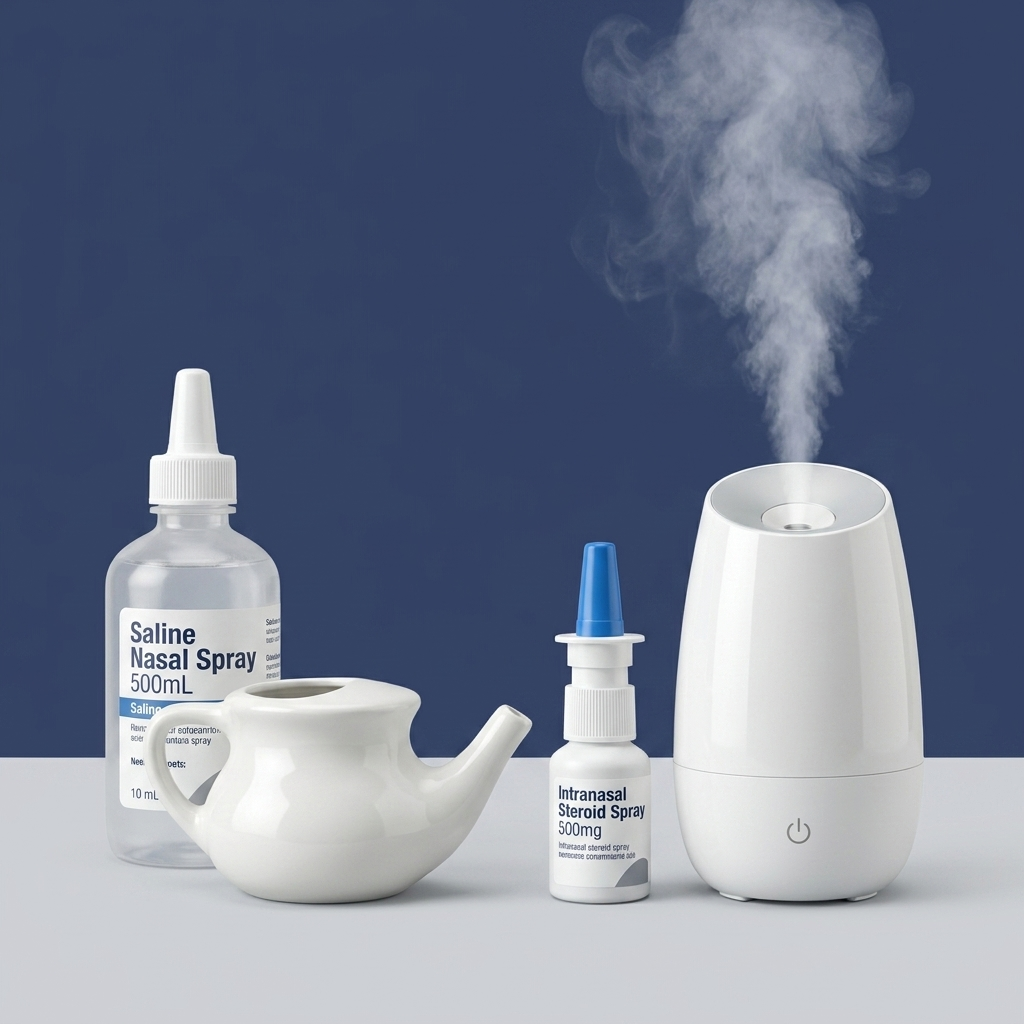
Saline rinses/irrigation can help flush irritants and improve mucus clearance. High-volume irrigation (for example, squeeze bottle or neti-style rinsing) may help more than small mist sprays for many people. (PMC review, 2020)
Many patients describe the goal as “resetting the nose” after a high-exposure day—like rinsing dust off a windshield so you can see clearly again.
A key safety point: rinses should use distilled/sterile water or water that has been boiled and cooled. Sleep and Sinus Centers of Georgia explains this in Neti pot water safety (distilled/boiled water): https://sleepandsinuscenters.com/blog/neti-pot-water-safety-why-boiled-or-distilled-water-is-essential-a906d
Other supportive measures that many people find helpful:
- Humidification when indoor air is dry (often in winter/forced-air heat)
- Warm showers/steam for comfort (not a cure, but can feel relieving)
Best medication for nasal blockage from inflammation: intranasal corticosteroids
For inflammatory congestion (common in both allergic rhinitis and some nonallergic rhinitis), an intranasal corticosteroid spray is often a first-line option. Examples include fluticasone, mometasone, and budesonide.
Why they’re commonly recommended:
- They reduce nasal inflammation and swelling, improving airflow.
- For inflammatory nasal congestion, they’re generally more effective than oral antihistamines for relieving blockage. (PMC review, 2020)
What to expect:
- Relief is often not instant; benefit builds with consistent daily use.
How to use a steroid nasal spray correctly (general technique tips)
Technique can affect comfort and results. In general, many clinicians suggest aiming slightly outward (away from the septum), using a gentle sniff (not a deep inhale), and using it consistently.
A practical cue some clinicians use: “Aim toward the ear on the same side.” For step-by-step guidance, see how to use a steroid nasal spray correctly: https://sleepandsinuscenters.com/blog/steroid-nasal-spray-technique-step-by-step-guide-for-effective-use
If allergies are driving symptoms
For allergic rhinitis, treatment often combines trigger reduction and medications:
- Second-generation oral antihistamines may help itching, sneezing, and runny nose (with less sedation than older options).
- Intranasal antihistamine sprays may provide faster nasal symptom relief for some people.
- Allergen avoidance strategies (especially in the bedroom) can reduce nasal congestion at night. (AAAAI, 2026)
If your symptoms spike in bed, bedroom steps (washing bedding, allergen covers, keeping pets out) are often worth the effort—because you spend so many hours there.
If you have lots of watery runny nose (especially nonallergic rhinitis)
When rhinorrhea is the main problem—particularly in nonallergic rhinitis—a clinician may discuss options such as an intranasal anticholinergic (for example, ipratropium) that targets excessive watery drainage. (NHS, 2026)
Decongestants—use carefully
- Topical decongestant sprays can provide quick relief, but overuse can cause rebound congestion; follow product directions or a clinician’s advice. (PMC review, 2020)
- Oral decongestants aren’t a fit for everyone (for example, certain heart or blood pressure conditions), so it’s reasonable to check with a clinician or pharmacist.
Treatments for chronic or stubborn congestion
If symptoms persist despite a consistent, correct approach—or if polyps or structural blockage are suspected—a clinician may discuss:
- Allergy testing and targeted allergy care
- A longer-term rhinitis plan (see Treating Chronic Rhinitis): https://sleepandsinuscenters.com/treating-chronic-rhinitis
- Nasal endoscopy or imaging when appropriate
- Procedural or surgical options for structural causes
Summary: Match the treatment to the cause—rinse, reduce inflammation, control triggers, and avoid rebound.

Lifestyle Tips to Reduce Congestion (Especially at Night)
Sleep-position and bedroom setup
- Elevating the head slightly may reduce pooling and improve comfort for some people.
- If allergic, keeping pets out of the bedroom can reduce nighttime exposure.
- Wash bedding weekly (hot if tolerated) and consider allergen-proof covers if dust mites are a trigger.
If you’re not sure where to start, try changing one variable for a week (for example, bedding routine or pet access). Small, consistent changes are often easier to maintain than a total overnight overhaul.
Indoor air and irritant control
- Reduce smoke and fragrance exposure (candles, sprays, strong cleaners).
- HEPA filtration can help some households when allergies are significant.
Hydration and gentle routine
- Adequate fluids can help keep mucus thinner.
- Some people use a saline rinse before bed during flare-ups.
If reflux might be contributing
Avoiding late meals and limiting alcohol close to bedtime may help some people with reflux-related symptoms. Because reflux and allergens can aggravate nighttime symptoms, it’s worth discussing persistent patterns with a clinician. (Cleveland Clinic, 2025)
Summary: Small, consistent changes at night often yield the biggest breathing gains.
When to See a Clinician (and What They May Check)
Timing guidelines
Consider an evaluation when congestion:
- Lasts weeks, recurs frequently, or interferes with sleep/work
- Comes with severe symptoms or any red flags (fever, facial swelling, worsening pain, etc.)
- Doesn’t improve after a trial of saline rinses plus consistent, correct use of an anti-inflammatory nasal spray
If you’ve tried saline rinses plus consistent, correct use of an anti-inflammatory spray and you’re still struggling, that’s also a reasonable point to get checked—especially if the problem is one-sided or long-standing.
What evaluation may include
A visit often includes:
- A history of triggers, seasonality, and medication use (including decongestant sprays)
- A nasal exam; sometimes nasal endoscopy
- Allergy testing when allergic rhinitis is suspected and persistent
- Consideration of rhinitis vs sinusitis vs structural obstruction (Mayo Clinic, 2026)
Summary: If symptoms linger, are one-sided, or include red flags, get evaluated.
FAQs
Why does my nose get congested at night but not during the day?
Common contributors include the effects of lying down on drainage, bedroom allergens (dust mites/pets/mold), and sometimes reflux-related irritation. (Cleveland Clinic, 2025)
What’s the fastest safe way to clear a blocked nose?
Many people start with saline irrigation, humidification if air is dry, and addressing the underlying cause (like rhinitis). Topical sprays can help temporarily, but overuse can cause rebound congestion; follow product directions or a clinician’s advice. (PMC review, 2020)
Are nasal steroid sprays safe to use long-term?
They’re generally considered safe when used as directed, though irritation or nosebleeds can occur—often improved by technique and aiming away from the septum. Ongoing symptoms are worth reviewing with a clinician. (PMC review, 2020)
Can I take Benadryl for congestion?
First-generation antihistamines (like diphenhydramine) can cause sedation and aren’t typically preferred for long-term rhinitis management compared with newer options. (PMC review, 2020)
How do I know if it’s allergies or a cold?
Allergies often bring itching/sneezing and recur with exposures or seasons; colds are usually shorter-lived and may include sore throat, body aches, and feeling unwell.
When is congestion a sign of something more serious?
Seek prompt evaluation for severe headache, facial swelling, vision changes, persistent one-sided blockage, or severe/worsening symptoms. (Mayo Clinic, 2026)
Conclusion: Key Takeaways
If you’ve been asking, why does my nose get congested, the answer is most often rhinitis, and it frequently worsens at night due to drainage changes and bedroom triggers. The most evidence-backed core approaches for many people include saline irrigation to clear mucus and an intranasal corticosteroid spray to reduce inflammation—plus allergy-focused care when allergies are the driver. It’s also important to avoid rebound congestion from overusing decongestant sprays.
If congestion is persistent, severe, or disrupting sleep, Sleep and Sinus Centers of Georgia can help with a thorough evaluation and a tailored treatment plan. To get started, book an appointment: https://www.sleepandsinuscenters.com/
Sources
- Mayo Clinic. (2026). Nasal congestion: Definition. http://mayoclinic.org/symptoms/nasal-congestion/basics/definition/sym-20050644
- Cleveland Clinic. (2025). Why does my nose get stuffy at night? http://health.clevelandclinic.org/why-does-my-nose-get-stuffy-at-night
- NHS. (2026). Non-allergic rhinitis. http://nhs.uk/conditions/non-allergic-rhinitis
- AAAAI. (2026). Hay fever (allergic rhinitis). http://aaaai.org/conditions-treatments/allergies/hay-fever-rhinitis
- PMC Review. (2020). Rhinitis/rhinosinusitis management evidence (incl. intranasal steroids, saline irrigation, rebound congestion). http://pmc.ncbi.nlm.nih.gov/articles/PMC7752074
This article is for educational purposes only and is not medical advice. Please consult a qualified healthcare provider for diagnosis and treatment.
Don’t let allergies slow you down. Schedule a comprehensive ENT and allergy evaluation at Sleep and Sinus Centers of Georgia. We’re here to find your triggers and guide you toward lasting relief.