Adult Epiglottitis: Symptoms, Causes, and Emergency Treatment
Adult epiglottitis is rare—but it’s one throat condition that can become dangerous quickly because it can narrow the airway. This article explains what it is, the epiglottitis symptoms in adults that matter most, how it’s diagnosed, and what emergency care typically involves. (This is educational information, not personal medical advice.)
One reason it’s easy to underestimate: symptoms may start like a “bad sore throat,” then escalate over hours. Clinicians often describe the key pattern as severe throat pain with swallowing trouble that seems worse than what you can see by looking in the mouth. [1][4]
Quick Take: When to Treat Symptoms as an Emergency
Because this condition can progress rapidly into an airway emergency, it’s important to recognize the “red flag” pattern. Reported mortality varies by study and clinical context, and prompt diagnosis and airway management are associated with better outcomes. [1][4]
A practical way to think about it: if swelling occurs at the airway opening, “waiting to see if it passes” can be risky—because the airway is a narrow passage to begin with.
Call 911 / go to the ER now if you have:
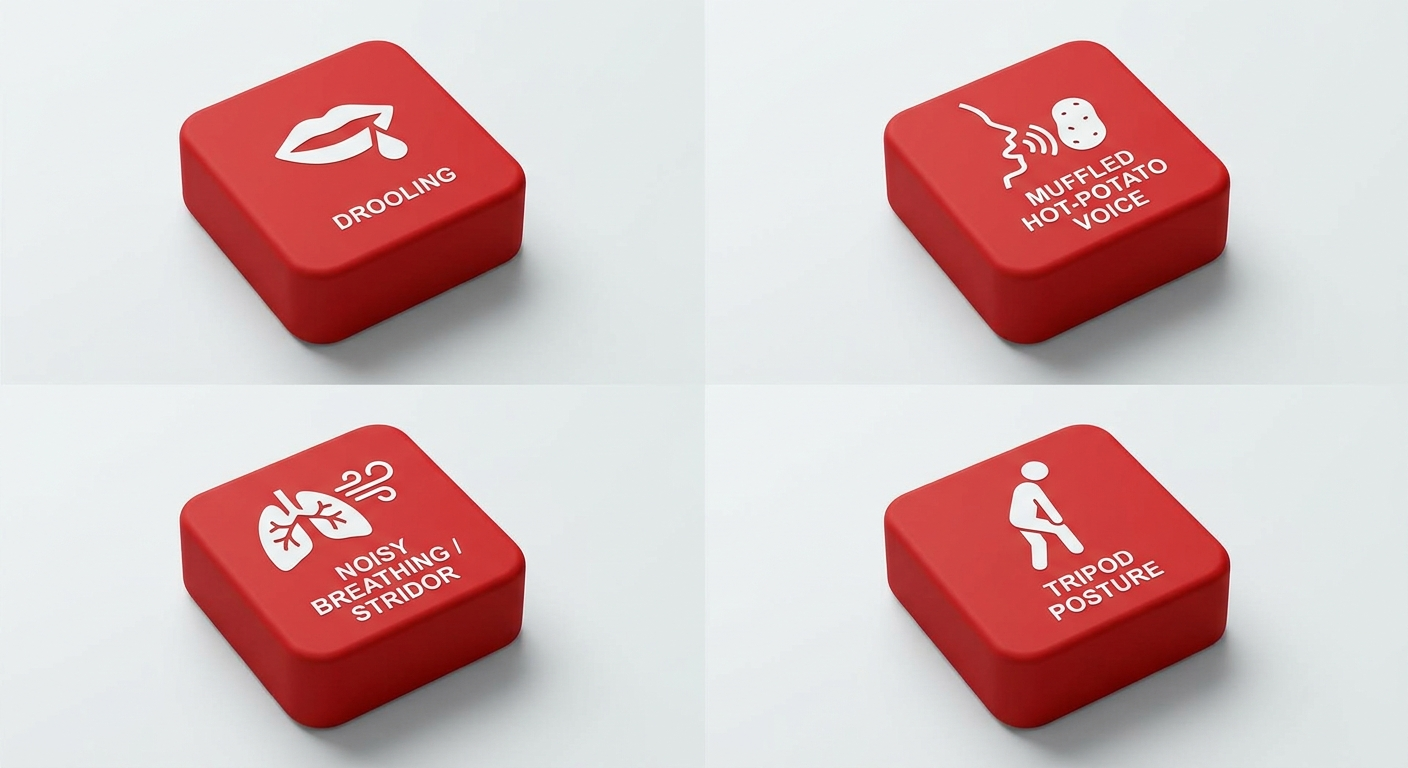
- Trouble breathing, noisy breathing (stridor), or feeling like you “can’t get air”
- Drooling or inability to swallow saliva
- Rapidly worsening severe sore throat, especially with a muffled “hot potato” voice
- Sitting forward to breathe, anxiety/restlessness, bluish lips/skin
If you want to learn more about warning signs in general, see our guide to blocked airway symptoms: https://sleepandsinuscenters.com/blog/blocked-airway-symptoms-explained
It’s safer to overreact to breathing trouble than to wait—seek emergency care for red flags.
What Is Adult Epiglottitis?
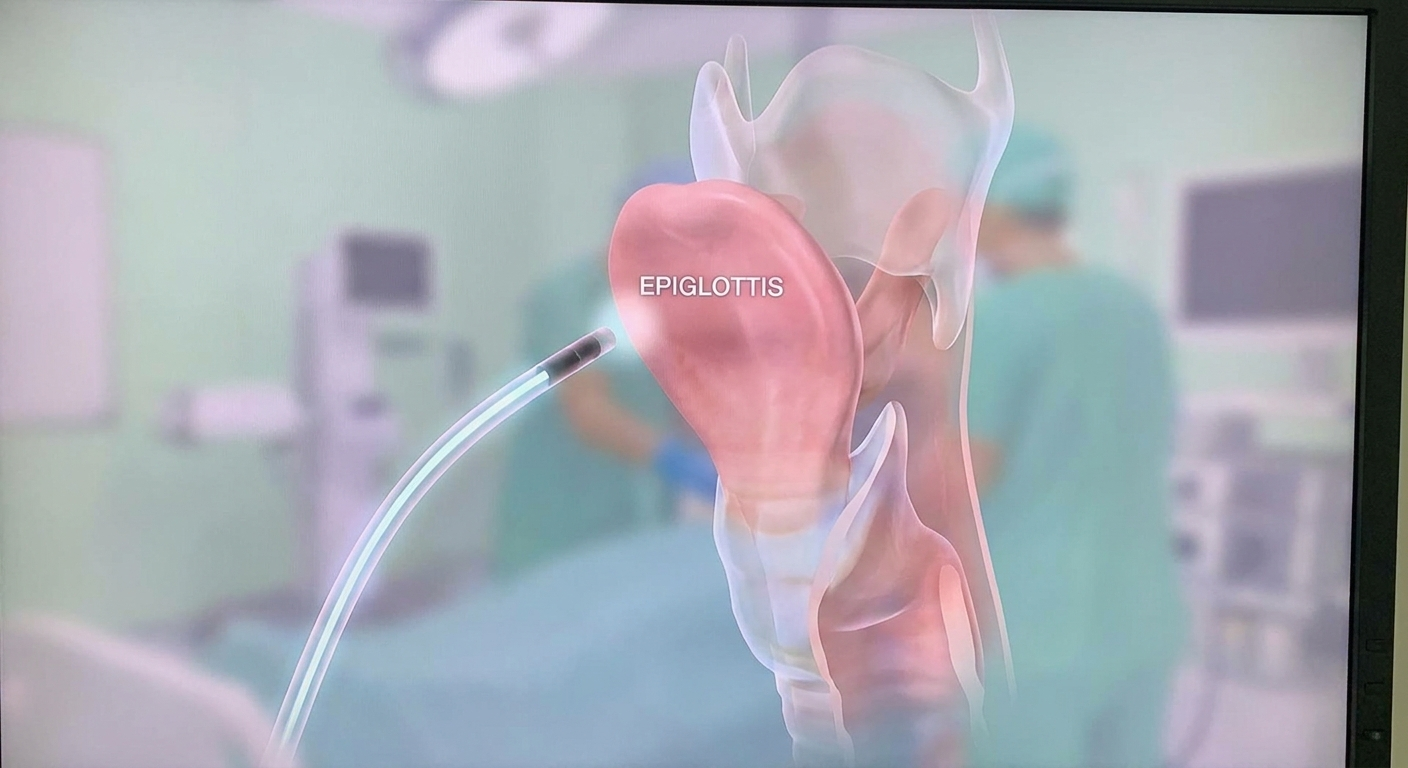
The epiglottis—your airway “lid”
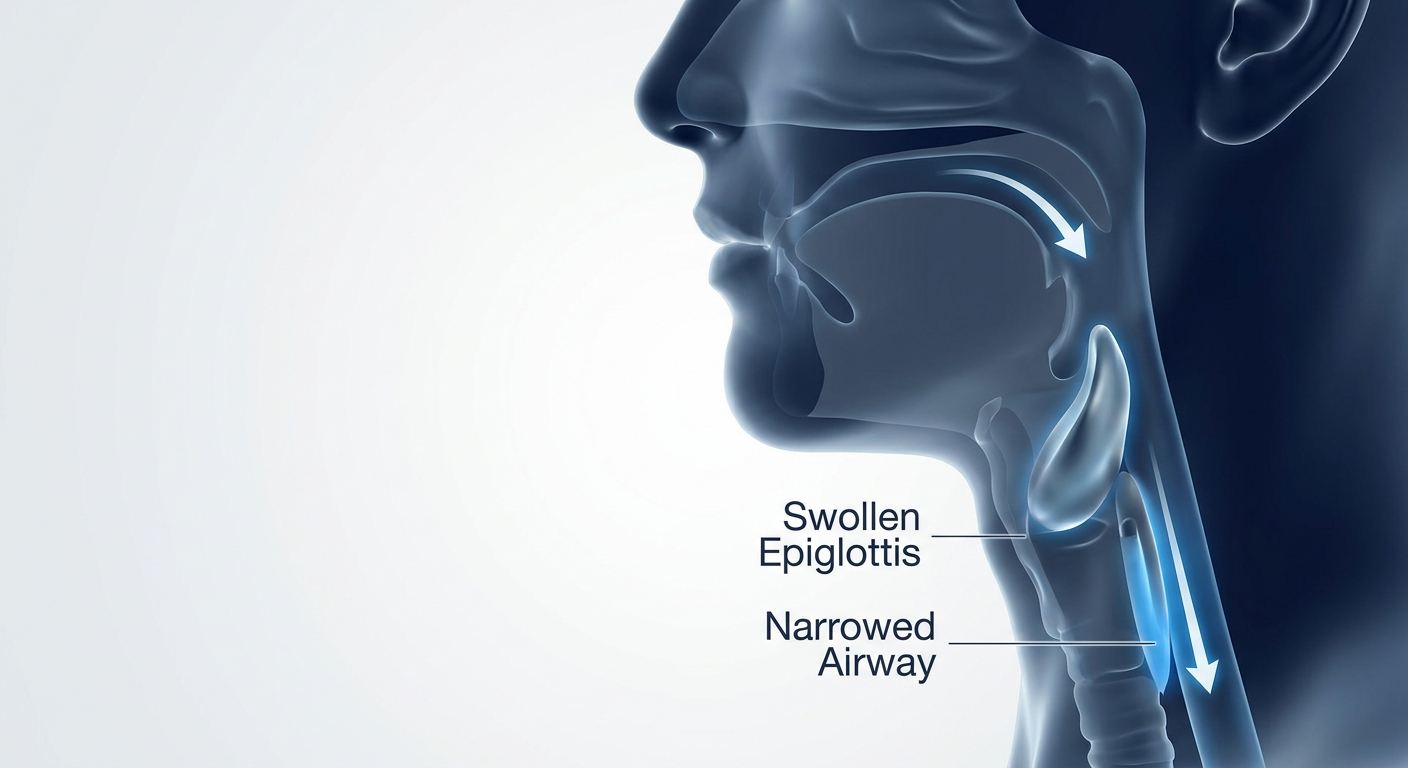
The epiglottis is a small flap of tissue at the base of the tongue. When you swallow, it helps “cover” the windpipe (trachea) so food and liquid go into the esophagus instead of the lungs—like a hinged lid that directs traffic.
Why epiglottitis is dangerous in adults
In adult epiglottitis, the epiglottis and nearby tissues can become severely inflamed—a swollen epiglottis can narrow the opening to the airway. That’s why clinicians treat it as a time-sensitive condition with a focus on keeping breathing safe. [1][4]
A clinician’s mindset is often: “Protect the airway first, confirm the diagnosis safely second.” That approach is reflected in how evaluation and testing are prioritized. [1][4]
Adult vs. pediatric epiglottitis (brief)
Epiglottitis used to be much more common in children due to Haemophilus influenzae type b (Hib). Widespread Hib vaccination changed the landscape dramatically. Adults can still develop epiglottitis, but modern cases more often involve non-Hib organisms (and sometimes non-infectious triggers). [1][4]
The danger comes from swelling at the airway opening, so airway protection drives every clinical decision.
Adult Epiglottitis Symptoms (Patient-Friendly Guide)
Symptoms can start like a “bad throat infection,” then escalate. A key clue is when symptoms feel severe—especially with swallowing—while the mouth and tonsils may not look that dramatic.
Early symptoms that can look like a “bad throat infection”
- Severe sore throat (often out of proportion to what’s visible)
- Fever (may be present, but not always)
- Painful swallowing (odynophagia)
- Trouble swallowing (dysphagia)
A common real-world example: someone assumes it’s strep throat, but the pain rapidly becomes so intense that swallowing even water feels impossible.
For a broader overview of what throat pain can mean, you can also read our article on what a sore throat can mean: https://sleepandsinuscenters.com/blog/what-is-a-sore-throat
Red-flag symptoms that suggest airway involvement
These are especially concerning because they can signal narrowing of the airway:
- Drooling (can’t swallow saliva)
- Drooling and muffled voice (“hot potato” voice)
- Noisy breathing/stridor
- Shortness of breath, rapid breathing, chest/neck retractions
- Anxiety, agitation, “air hunger”
- Sitting upright/leaning forward to breathe (tripod positioning)
If you notice this cluster, treat it like an airway problem—not “just a sore throat”—and seek emergency evaluation.
Symptoms adults may describe in their own words
- “It hurts too much to swallow.”
- “My voice sounds thick/muffled.”
- “I feel like my throat is closing.”
Clinically, epiglottitis is considered an acute condition with potential for airway compromise, which is why these symptoms are taken seriously. [1][4]
A rapidly worsening sore throat with drooling, muffled voice, or noisy breathing deserves an immediate ER visit.
Causes of Adult Epiglottitis (And Why They’ve Changed)
Many people want to know “what caused this?” Often, a clear trigger isn’t found—and that’s common.
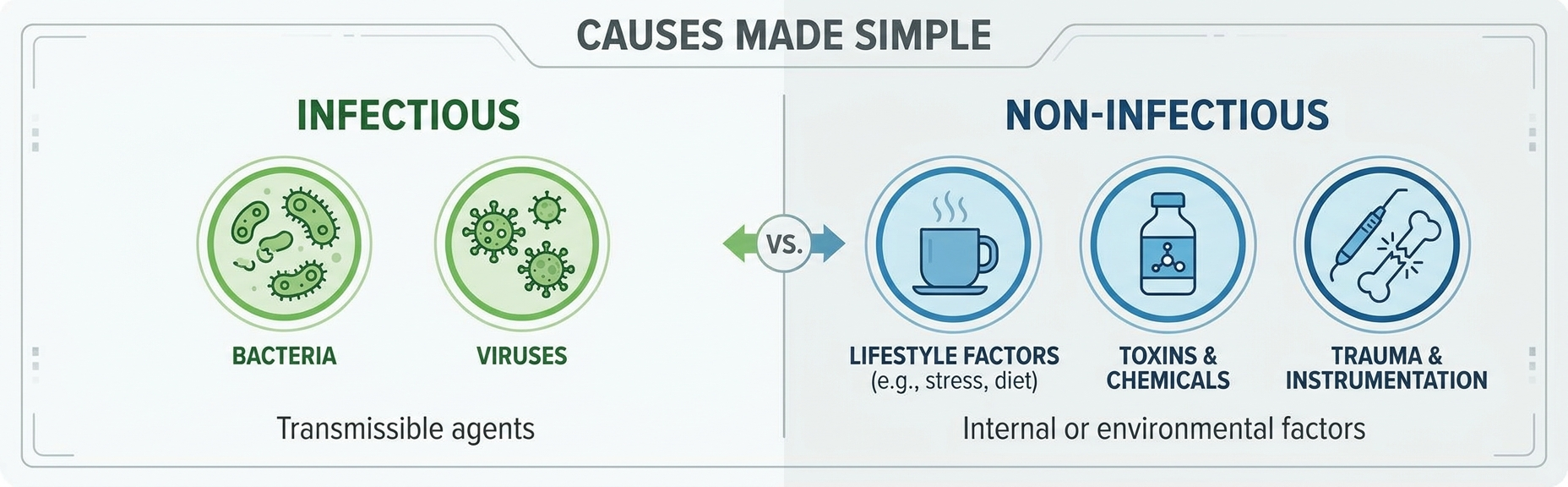
Infectious causes (most common)
Historically, epiglottitis was strongly associated with Hib. In adults today, there’s a documented shift: while H. influenzae can still play a role, a growing proportion of cases are linked to other bacteria, such as:
- Streptococcus pneumoniae
- Staphylococcus species
This shift is widely discussed in modern reviews of adult disease and management. [1][2][4]
Non-infectious causes (less common but important)
Some cases aren’t primarily due to infection. Possible non-infectious triggers include:
- Thermal injury (very hot liquids/steam)
- Chemical injury/irritants
- Trauma to the throat (including medical instrumentation)
Risk factors that may increase severity or likelihood
Not everyone has risk factors, but clinicians often pay close attention when epiglottitis occurs in people with:
- Diabetes
- Immune compromise
- Older age
- Smoking/vaping (airway irritation)
It’s also worth emphasizing: causes and risk factors are not the same as “fault.” Many patients did nothing “wrong.”
In adults, bacteria other than Hib are common causes, but burns, chemicals, and trauma can also inflame the epiglottis.
Why Adult Epiglottitis Is a Medical Emergency
The airway can narrow quickly
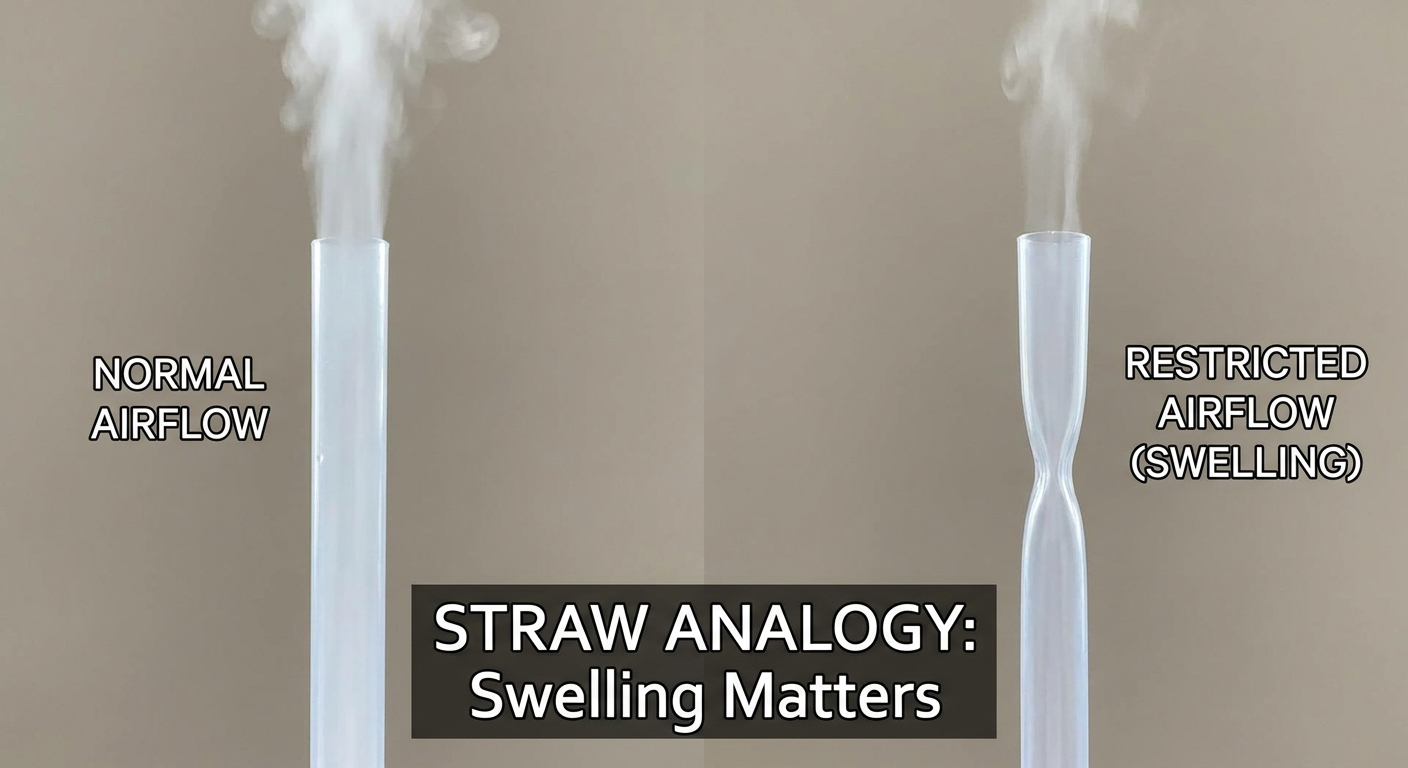
The epiglottis sits right at the entrance of the airway. When swelling occurs in that tight space, even a small change in tissue size can significantly reduce airflow—especially during agitation, lying flat, or when secretions build up.
Think of breathing through a straw: a little swelling at the opening can make a big difference in how hard you have to work to move air.
Potential complications if untreated
Untreated or rapidly progressing epiglottitis can lead to:
- Sudden airway obstruction
- Respiratory failure
- Sepsis (less common, but possible in severe bacterial infection)
Why prompt care matters
Reported outcomes improve with timely recognition, airway management, and appropriate treatment. [1][4] This is why adult epiglottitis is approached as an emergency until proven otherwise.
Small amounts of swelling at the airway opening can cause big breathing problems—time matters.
How Doctors Diagnose Adult Epiglottitis
The #1 goal in evaluation: keep you breathing
In suspected epiglottitis, the first step is assessing breathing and oxygen levels. Testing is done in a way that prioritizes safety—because agitation and unnecessary throat manipulation can worsen symptoms in some patients.
You may hear a calm but urgent tone from the team—because the goal is to avoid provoking the airway while still moving quickly.
Most definitive test: flexible laryngoscopy
The most definitive way to confirm epiglottitis is flexible laryngoscopy, when it can be performed safely. [1][4]
Imaging that may be used (and limits)
A lateral neck X-ray may show classic findings (sometimes described as a “thumbprint sign”), but it’s not as sensitive as laryngoscopy and can miss cases—especially early on. [1]
Other tests you may see in the ER/hospital
Depending on severity, clinicians may use:
- Continuous vital signs and oxygen monitoring
- Bloodwork and blood cultures (particularly if severe illness is suspected)
- Cultures from the throat/epiglottic area only if it can be done safely after the airway is stable
Diagnosis follows the rule “airway first,” with laryngoscopy used when it can be done safely.
Emergency Treatment for Adult Epiglottitis (What to Expect)
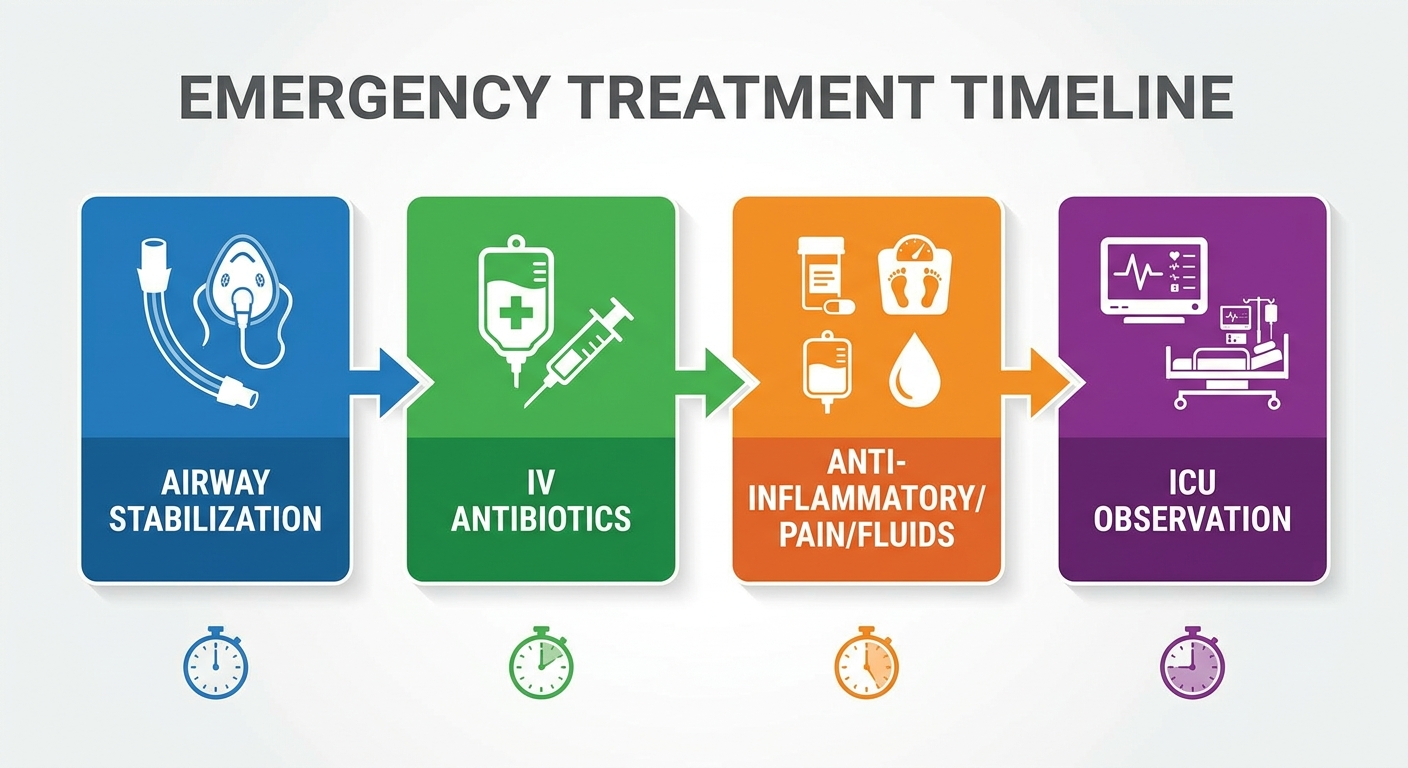
Hospital teams focus on airway safety first, then treating likely infection and inflammation. The exact plan varies based on severity.
Step 1 — Airway stabilization (the priority)
This may include oxygen and very close monitoring, often with early involvement of ENT and anesthesia teams for “difficult airway” planning. Possible interventions include:
- Endotracheal intubation (placing a breathing tube in a controlled setting)
- Surgical airway (rare, but part of emergency planning)
Large reviews suggest airway intervention rates have decreased in the vaccine era (for example, from about 18.8% to 10.9% in some analyses), but the need depends on how narrowed the airway is and how rapidly symptoms are progressing. [1]
Step 2 — IV antibiotics (treat likely bacteria)
Because bacterial causes are often suspected in adults, treatment commonly includes IV antibiotics that cover likely organisms at first, then are adjusted if cultures or the clinical picture point to a specific cause. [1][4]
A practical example: teams often start “broad coverage” quickly rather than waiting—because delaying antibiotics can matter when severe bacterial infection is possible. [1][4]
Step 3 — Medications to reduce swelling and discomfort
In addition to antibiotics, teams may use:
- Corticosteroids to reduce inflammation (practice varies)
- Pain control
- IV fluids (because swallowing may be too painful or unsafe)
This combination is essentially what people mean when they search for emergency treatment for epiglottitis—airway protection plus medications that treat infection and inflammation.
Step 4 — Hospital/ICU observation
Even when symptoms begin to improve, monitoring matters because swelling can fluctuate. Observation allows rapid response if breathing changes.
Treatment pairs airway protection with antibiotics and anti-inflammatory care, followed by close observation.
Recovery Timeline and Follow-Up (After the Emergency)
How long does adult epiglottitis last?
Many people improve within a few days after appropriate treatment, though recovery varies with severity, the underlying cause, and whether airway support was needed. [1][4]
When you can eat/drink normally again
Eating and drinking usually returns gradually as pain and swelling improve. Care teams often advance diet step-by-step to reduce choking or aspiration risk.
Follow-up visits and what ENT may check
If symptoms linger (voice changes, swallowing discomfort, throat tightness), ENT follow-up may include a repeat airway/throat exam. If you’re unsure about timing, this guide on when to see an ENT can help you understand common reasons for evaluation: https://sleepandsinuscenters.com/when-should-i-see-an-ent
Most people improve quickly with proper care, but ENT follow-up helps ensure full recovery.
Can Adult Epiglottitis Be Prevented?
Vaccination (Hib) and why it still matters
The Hib vaccine dramatically reduced Hib-related epiglottitis and changed the overall pattern of cases seen in the population. [1]
Reduce throat/airway irritation risks
Not all cases are preventable, but reducing airway irritation may help overall throat health:
- Avoid smoking/vaping
- Use caution with very hot foods/liquids
- Seek timely evaluation for severe throat infections with significant swallowing difficulty
Infection prevention basics (practical, non-alarmist)
- Hand hygiene
- Staying home when ill when possible
- Managing chronic conditions (like diabetes)
Good vaccination coverage and healthy airway habits reduce risk, even though not every case is preventable.
When to Seek Care (Decision Guide)
Urgent same-day evaluation vs. ER
A helpful way to think about it is breathing and swallowing safety:
- ER now: breathing trouble, drooling, stridor, rapidly worsening symptoms, or the “severe sore throat can’t swallow” pattern—especially with a muffled voice.
- Primary care (only if mild and stable): a sore throat without red flags may be evaluated outside the ER, but if epiglottitis is suspected or symptoms worsen quickly, go to the ER.
If swallowing difficulty is a major feature, you may also find it helpful to read about difficulty swallowing (dysphagia): https://sleepandsinuscenters.com/blog/what-is-difficulty-swallowing-dysphagia
No red flags can mean primary care is reasonable, but any concern for epiglottitis should be treated as an ER problem.
FAQs About Adult Epiglottitis
Can epiglottitis happen without a high fever?
Yes. Fever may be mild or absent, especially early on or in non-infectious cases. [1][4]
Is adult epiglottitis contagious?
Epiglottitis itself is inflammation of the epiglottis and is not contagious, but the infection that triggered it may be contagious depending on the organism. [1][4]
How is epiglottitis different from strep throat or tonsillitis?
Strep throat and tonsillitis commonly cause throat pain and fever, but epiglottitis more often raises concern when there is severe swallowing difficulty, drooling, muffled voice, or breathing symptoms.
Will I always need to be intubated?
No. Many adults do not require intubation, but close monitoring is crucial because the airway can worsen unpredictably. [1]
What test confirms epiglottitis?
Flexible laryngoscopy is considered the most direct and reliable test, when it can be performed safely. X-rays can help but may miss cases. [1]
Conclusion (Clear, Reassuring, Action-Oriented)
Key takeaways
- Adult epiglottitis is rare but can become life-threatening quickly due to airway narrowing. [1][4]
- Red flags include drooling, muffled voice, stridor, and breathing difficulty—patterns that warrant emergency-level evaluation.
- Diagnosis is best confirmed with flexible laryngoscopy when safe, and treatment prioritizes airway safety plus antibiotics (when infection is suspected). [1][4]
Next step (after recovery)
If you’ve already been treated and you’re dealing with lingering throat, voice, or swallowing symptoms, Sleep and Sinus Centers of Georgia can help with ENT follow-up and evaluation. To book an appointment, visit https://www.sleepandsinuscenters.com/
Recognize red flags early and seek emergency care—fast action can protect the airway and improve outcomes.
Sources
1. StatPearls (2024). Epiglottitis. https://www.ncbi.nlm.nih.gov/books/NBK430960/
2. PubMed Central (2021). Adult epiglottitis review (microbiology/management). https://pmc.ncbi.nlm.nih.gov/articles/PMC8597686/
3. ScienceDirect (2023). Epiglottitis clinical update/review. https://www.sciencedirect.com/science/article/pii/S2772609623001296
4. Cleveland Clinic (2025). Epiglottitis. https://my.clevelandclinic.org/health/diseases/17844-epiglottitis
5. The Permanente Journal (2017). Adult epiglottitis outcomes review. https://www.thepermanentejournal.org/doi/10.7812/TPP/16-089
This article is for educational purposes only and is not medical advice. Please consult a qualified healthcare provider for diagnosis and treatment.
Don’t let allergies slow you down. Schedule a comprehensive ENT and allergy evaluation at Sleep and Sinus Centers of Georgia. We’re here to find your triggers and guide you toward lasting relief.