Cobblestone Throat: Causes, Symptoms, and What Cobblestoning on the Pharyngeal Wall Means
If you’ve ever looked in the mirror and noticed a bumpy, “pebbled” look on the back of your throat, it can be unsettling—especially if it seems to appear out of nowhere. The reassuring news: in many cases, cobblestone throat is a sign that the tissue has been irritated, not a standalone disease, and it often improves once the underlying trigger is addressed.¹ Think of it like skin that’s been rubbed repeatedly: it can look swollen or rough for a while, even after the friction stops. With cobblestoning, the “friction” is commonly related to mucus drainage, allergies, reflux, or an infection.
What follows is a patient-friendly guide to what you’re seeing, common cobblestone throat causes, and typical next steps that may help.
What Is “Cobblestone Throat”?
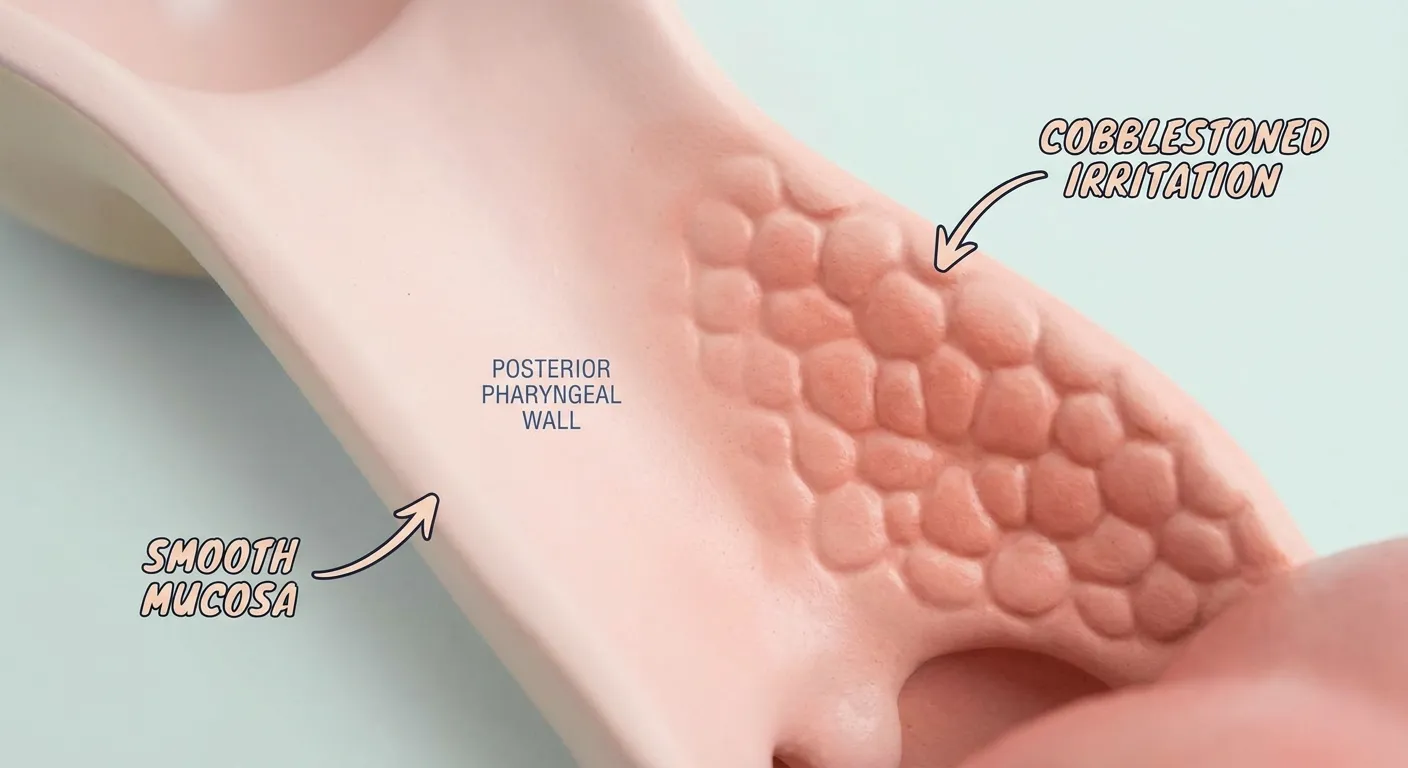
A patient-friendly definition: Cobblestone throat describes small, rounded bumps on the back wall of the throat (the posterior pharynx) that resemble cobblestones. This appearance is usually linked to ongoing irritation and inflammation, rather than something dangerous by itself.¹ You may also see it referred to as “posterior pharyngeal cobblestoning.” Clinicians often describe it as a “pattern” on exam—something that points to a cause—rather than a diagnosis all by itself.
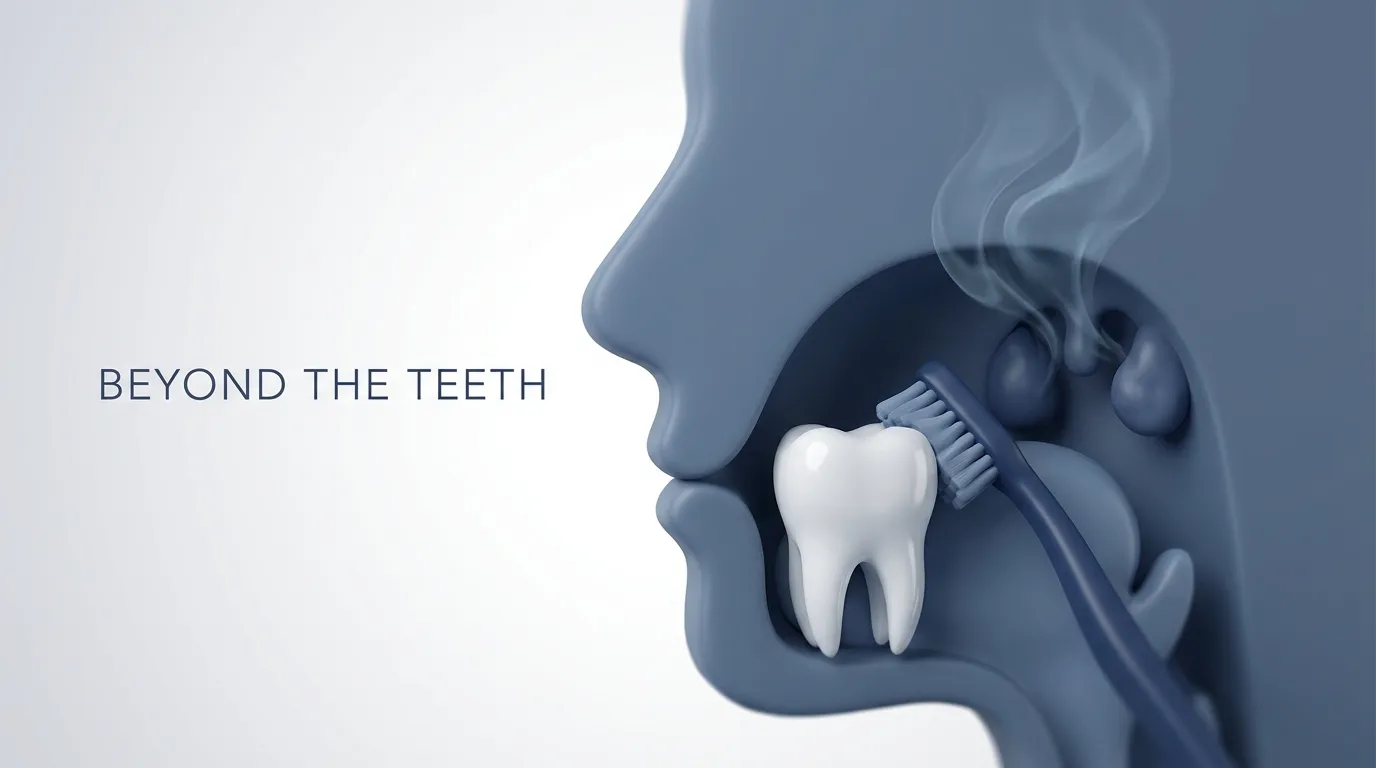
Where is the posterior pharyngeal wall? The posterior pharyngeal wall is the back surface of your throat behind the tongue. It’s a “high-traffic” area for irritation because:
- Mucus from the nose and sinuses drains backward (especially with postnasal drip).
- Reflux can reach the throat and voice box area and inflame sensitive tissues.
If you’re someone who’s congested at night or wakes up needing to clear your throat, this is often the exact area that takes the hit.
Bottom line: “Cobblestoning” describes how the throat looks when it’s been repeatedly irritated, not a disease by itself.
What Does Cobblestoning on the Pharyngeal Wall Mean (Medically)?
Why bumps form: When throat tissue is repeatedly exposed to irritants—like mucus drainage, allergens, reflux, or infections—the lining can respond by swelling and enlarging immune-related tissue. Clinically, this may be described as lymphoid nodular hyperplasia or mucosal nodularity, reflecting chronic stimulation rather than a single “new growth.”¹ ² In plain terms: the throat lining is reacting to being bothered over and over.
Is cobblestone throat dangerous? In many cases, pharyngeal wall cobblestoning is benign and can gradually improve when the trigger is controlled.¹ One common frustration is that the look can linger: the bumps may take days to weeks to settle even after symptoms start improving.¹ Also, cobblestoning doesn’t automatically mean infection. Many people see it during allergy season or during a reflux flare—situations where antibiotics aren’t helpful.
In most cases, addressing the underlying trigger leads to gradual improvement of the “bumpy” appearance.
Cobblestone Throat Symptoms (What You Might Notice)
Throat sensations
- Scratchiness, mild soreness, a “tickle,” or burning irritation
- A feeling like something is stuck in the throat
- Frequent swallowing
A helpful self-check is noticing whether the discomfort feels “surface-level” (scratchy/irritated) versus deeper pain when swallowing, which can point to different causes.
Mucus and voice symptoms
- Postnasal drip, frequent throat clearing, or chronic cough (often worse at night)
- Hoarseness or voice fatigue—especially when reflux is involved³
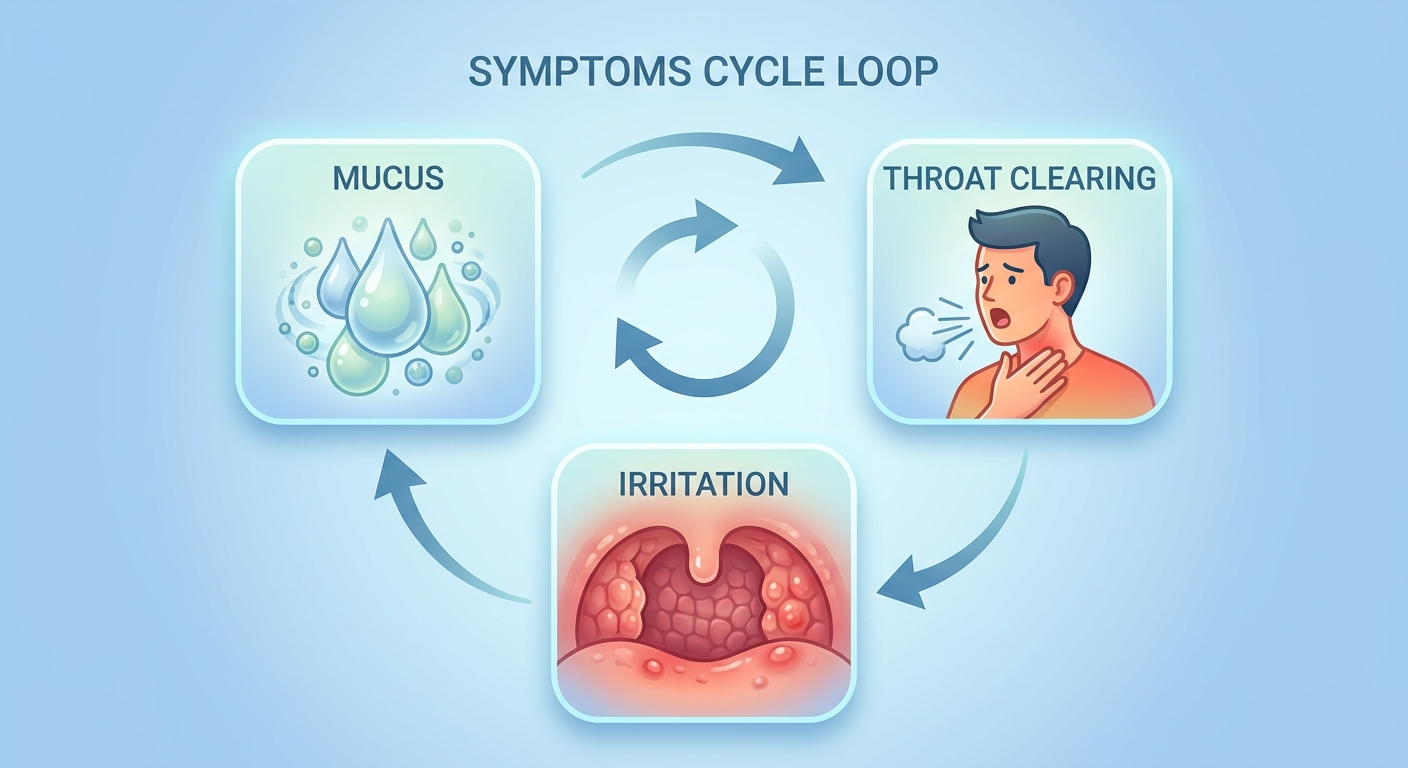
Some people notice a cycle: mucus → throat clearing → more irritation → more throat clearing. Calming the trigger usually works better than trying to “clear it out” all day.
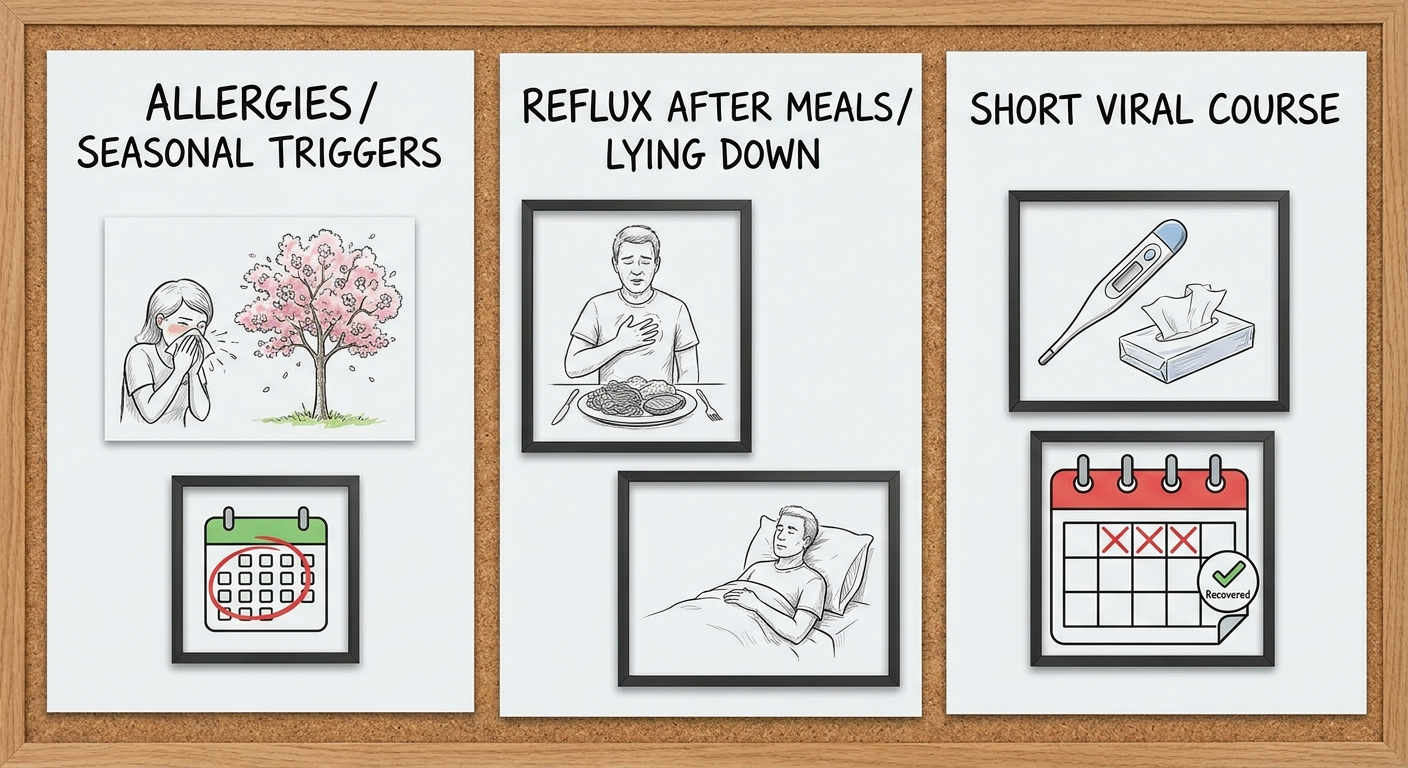
When Symptoms Suggest the Cause (Pattern Clues)
These patterns may offer clues about the cause, but they are not diagnostic on their own:
- Worse during pollen seasons or around pets/dust → allergies may be contributing
- Worse after meals or when lying down → reflux/LPR may be a factor
- With fever, body aches, and a short time course → a viral infection is more likely³
If you suspect reflux is part of the picture, this resource may help you compare LPR vs GERD symptoms: https://sleepandsinuscenters.com/blog/lpr-vs-gerd-throat-symptoms-key-differences-and-treatment-guide
Noticing when symptoms flare—seasons, meals, bedtime—can give helpful context to discuss with a clinician.
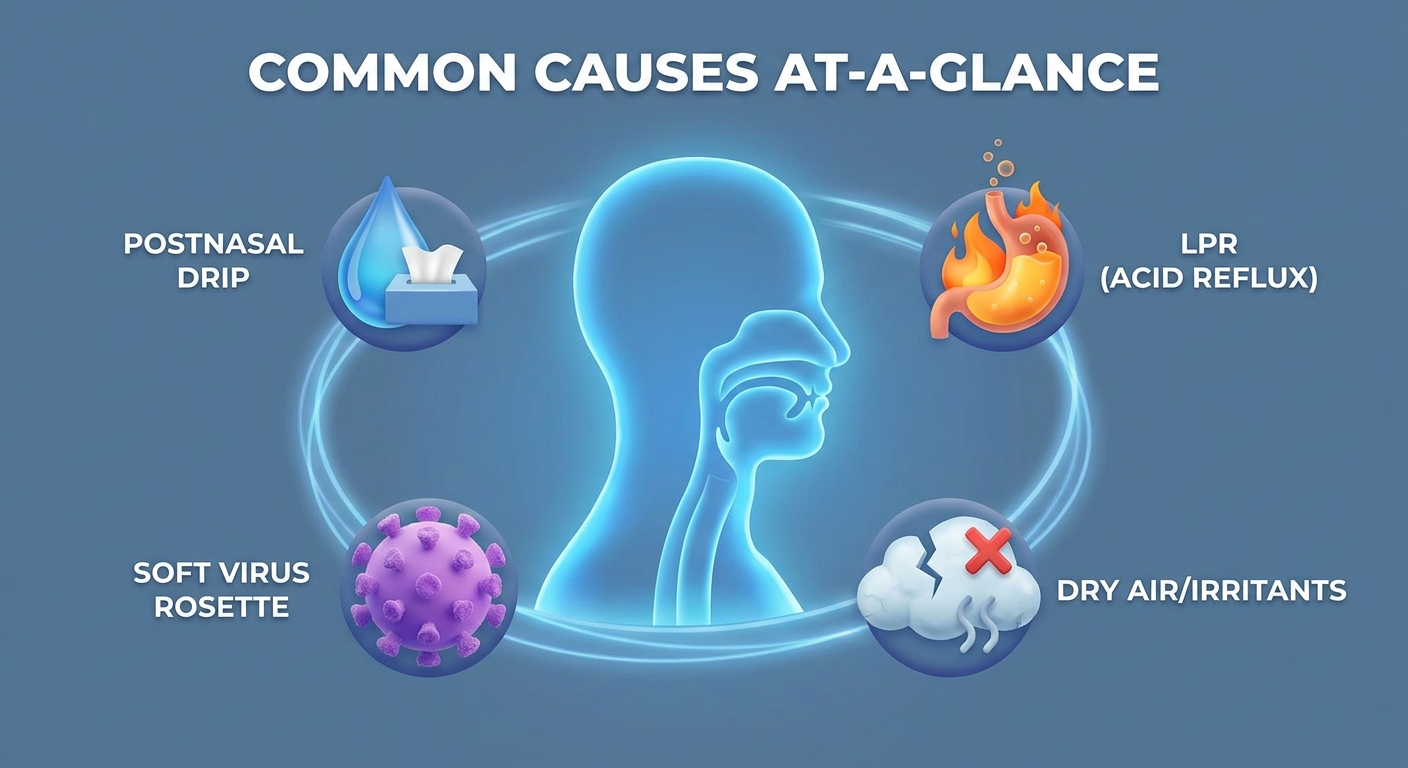
Most Common Causes of Cobblestone Throat
ENT clinicians commonly consider the following causes:
1) Postnasal drip
One of the most common causes is cobblestone throat from postnasal drip, where mucus consistently runs down the back of the throat and irritates the tissue.¹ ⁴ Common reasons include:
- Allergic rhinitis (seasonal or year-round)
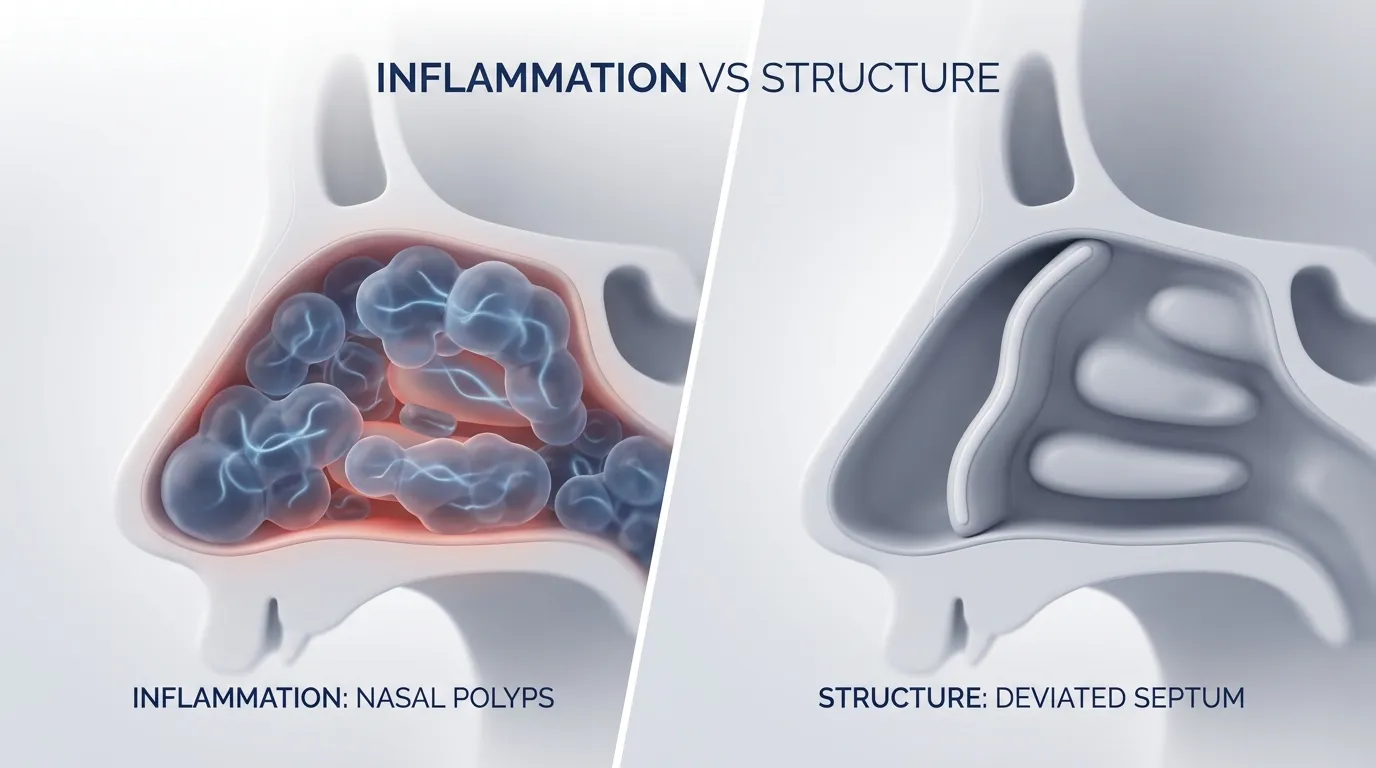
- Ongoing nasal inflammation
- Chronic sinusitis (persistent sinus inflammation with drainage)
Postnasal drip doesn’t always feel “drippy.” Sometimes it’s more like a constant need to clear your throat, especially in the morning or when you lie down.
Deep dive on postnasal drip: https://sleepandsinuscenters.com/blog/post-nasal-drip-causes-symptoms-and-effective-treatments
If sinus symptoms persist, explore chronic sinusitis: https://sleepandsinuscenters.com/chronic-sinusitis
2) Laryngopharyngeal reflux (LPR) (“silent reflux”)
Another common cause is cobblestone throat from reflux (LPR). LPR happens when stomach contents (including acid and enzymes like pepsin) reach the throat area, sometimes without classic heartburn.⁵ Symptoms that often fit include:
- Frequent throat clearing
- Ongoing cough
- Hoarseness or voice changes
- “Lump in throat” sensation (globus)⁵
Because throat tissues are sensitive, even intermittent reflux may cause noticeable irritation. For a quick comparison of LPR vs GERD and treatment approaches: https://sleepandsinuscenters.com/blog/lpr-vs-gerd-throat-symptoms-key-differences-and-treatment-guide
3) Viral pharyngitis and repeated infections
A short-lived viral illness can inflame the throat and contribute to a bumpy look, and repeated infections can keep irritation going.¹ ³ Many sore throats are viral, which is one reason antibiotics aren’t automatically part of the plan—evaluation helps determine when they are or aren’t appropriate.
4) Environmental/behavioral irritation (supporting causes)
Even without allergies or reflux, the throat can be chronically irritated by:
- Dry air and dehydration
- Smoking/vaping
- Chemical or fragrance exposure
- Mouth breathing or snoring-related dryness
Less common causes to keep on the radar (without alarm)
Less commonly, persistent throat irritation can be associated with chronic tonsil/adenoid issues or inflammatory conditions. The key is not to assume the worst—but to get evaluated if symptoms are persistent, unusual, or worsening.
Multiple factors can overlap—controlling the biggest triggers often yields the most relief.
How Is Cobblestone Throat Diagnosed?
At-home observation (what’s okay to check)
It’s reasonable to look with a mirror and good lighting. Cobblestoning often appears as raised, rounded bumps on the back of the throat. Avoid aggressive self-exams (no scraping), which can irritate tissue further. If you take photos to compare over time, do it gently and consistently (similar lighting, no poking), and use them as a reference—not a substitute for an exam.
What a clinician/ENT looks for
- Signs of nasal allergies or active drainage
- Sinus inflammation patterns
- Reflux-related irritation around the throat/voice box
- Infection indicators¹
Sometimes a focused nasal and throat exam (and in certain cases, a small scope exam) helps clarify whether the main driver is postnasal drip, sinus disease, or LPR.
Why it’s important to treat the cause—not the bumps
There isn’t a “bump remover” for posterior pharyngeal cobblestoning. The appearance typically improves when the trigger is reduced.¹ ² The goal is to calm the inflammation and stop the repeated irritation so the tissue can return closer to baseline.
Diagnosis focuses on finding and managing the underlying trigger rather than treating the appearance alone.
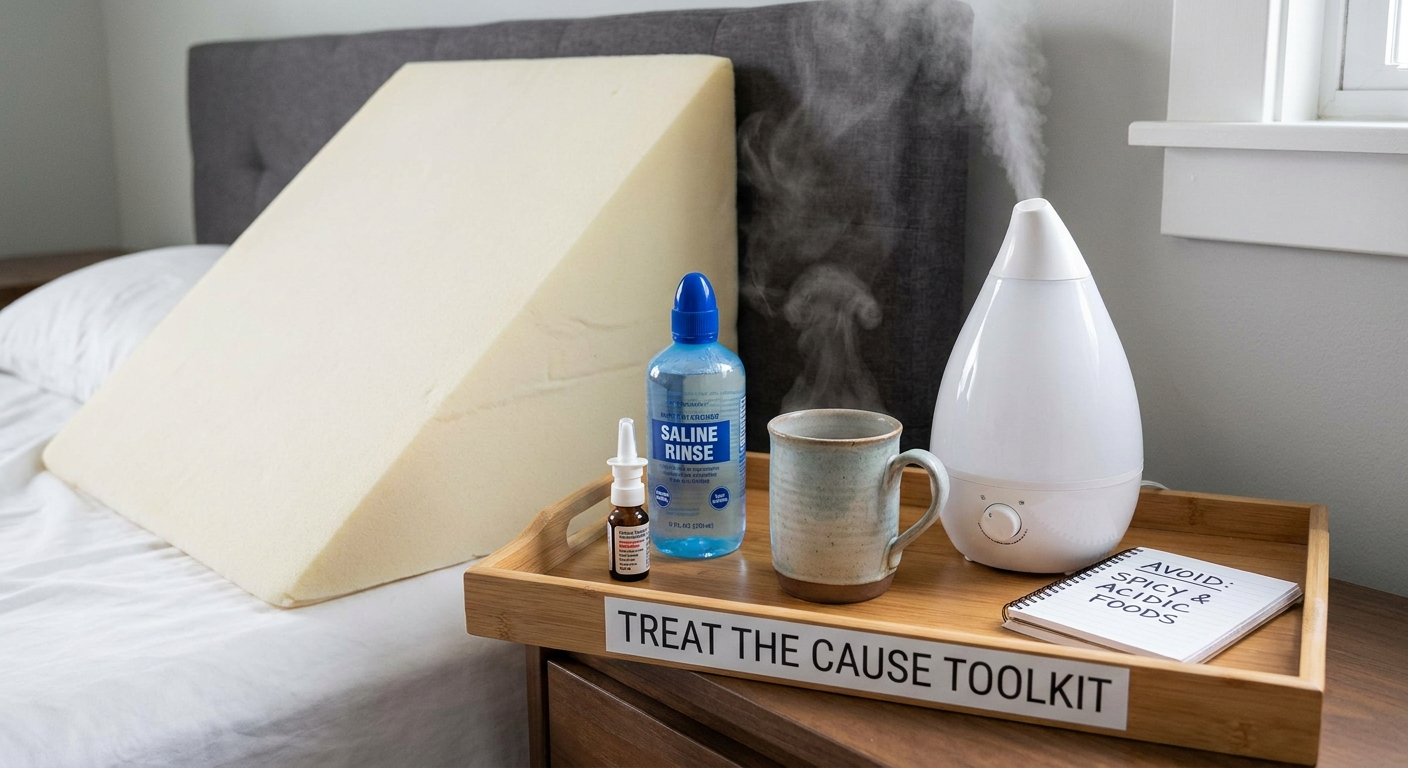
Treatment: How to Help Cobblestone Throat (By Cause)
If postnasal drip/allergies are the driver
- Exposure reduction (bedroom strategies, keeping windows closed in high pollen, changing clothes after outdoor time)
- Saline rinses or sprays to hydrate tissue and help clear mucus
- Allergy medication categories (such as antihistamines and nasal steroid sprays) under clinician guidance¹ ⁴
A clinician may recommend allergy testing if symptoms are frequent or year-round: https://sleepandsinuscenters.com/allergy-testing
If chronic sinusitis is suspected
When symptoms include congestion, facial pressure, reduced smell, and thicker drainage, sinus inflammation may be part of the story. Next steps may include medical therapy and, for some patients, further evaluation with in-office nasal examination or imaging—based on clinician judgment. Learn more: https://sleepandsinuscenters.com/chronic-sinusitis
If LPR (silent reflux) is suspected
- Avoiding late meals and large evening portions
- Identifying trigger foods/drinks (often acidic, spicy, fatty foods; caffeine; alcohol)
- Elevating the head of the bed and avoiding lying down soon after eating⁵
Because throat tissue can be sensitive, symptoms may persist even in the absence of heartburn, and improvement may take time.⁵ More on LPR vs GERD: https://sleepandsinuscenters.com/blog/lpr-vs-gerd-throat-symptoms-key-differences-and-treatment-guide
If infection is the cause
For viral illness, the approach is typically supportive—rest, hydration, and comfort measures—while monitoring for signs that warrant evaluation (such as severe symptoms or persistence).
Symptom relief that’s generally helpful (supportive care)
- Warm fluids
- Honey (when appropriate)
- Humidifier use
- Avoiding smoke and strong irritants
- Hydration and voice rest when hoarseness is present
If throat clearing is constant, sipping water regularly and using humidification can sometimes reduce the urge and give irritated tissue a break.
The most consistent improvements come from pairing supportive care with steps that reduce the specific trigger.

Lifestyle Tips to Help Prevent Cobblestoning From Coming Back
Daily habits for postnasal drip control
- Keep a consistent allergy plan during peak seasons
- Consider nasal hygiene routines (saline, shower after heavy outdoor exposure)
- For more on postnasal drip strategies: https://sleepandsinuscenters.com/blog/post-nasal-drip-causes-symptoms-and-effective-treatments
Reflux-prevention habits (especially evening)
- Earlier dinners, smaller portions at night
- Avoid late-night snacks
- Sleep positioning strategies like head-of-bed elevation and left-side sleeping⁵
Home environment upgrades
- Aim for comfortable indoor humidity (dry air often worsens irritation)
- Consider HEPA filtration if indoor allergens are a concern
- Reduce smoke/fragrance exposure where possible
Small, consistent daily changes can meaningfully reduce the irritants that keep the back of the throat inflamed.
When to See an ENT (Red Flags)
Cobblestone throat is usually benign—but consider an evaluation if the throat appearance or symptoms are:
- New and not clearly linked to a cold or allergies
- Unilateral/asymmetric, progressive, or persistent
- Associated with red flags such as trouble swallowing, unexplained weight loss, coughing blood, persistent hoarseness, a neck mass, severe pain, or symptoms that don’t improve over a reasonable timeframe¹
What an ENT visit may include
A visit often includes a focused exam of the nose and throat, and sometimes a scope exam to better evaluate drainage patterns and reflux-related changes. If you’d like an evaluation at Sleep and Sinus Centers of Georgia, you can learn more or request an appointment here: https://sleepandsinuscenters.com/appointments
Don’t wait on concerning or persistent symptoms—targeted evaluation can identify the cause and guide next steps.
FAQs About Cobblestone Throat
Is cobblestone throat the same as strep throat?
No. Strep throat is a bacterial infection; cobblestone throat is usually a sign of irritation or drainage.¹ ³
How long does cobblestone throat last?
The duration varies, but the appearance may take days to weeks to improve once the underlying cause is treated.¹ ⁴
Can allergies cause bumps on the back of the throat?
Yes. Allergies can increase postnasal drip and stimulate immune tissue, which may contribute to cobblestoning.¹ ² ⁴
Can acid reflux cause cobblestone throat even without heartburn?
Yes. LPR often presents with throat symptoms rather than classic heartburn.⁵
Should I worry about cancer?
Cobblestoning itself is usually not a sign of cancer, but persistent, one-sided, worsening, or red-flag symptoms still warrant evaluation.¹ ²
What’s the fastest way to calm it down?
It depends on the cause. Supportive care plus targeted steps for allergies/postnasal drip or reflux tends to help most over time.¹ ⁵
Use these FAQs as general guidance to discuss with your clinician, not as diagnostic rules.
Key Takeaways
- Cobblestone throat is a bumpy look on the back of the throat caused by chronic irritation, not usually a disease by itself.¹
- Common causes include postnasal drip (allergies/sinus disease), LPR, and sometimes recurrent infections.¹ ² ⁵
- The goal is to identify and manage the trigger, not just the appearance.¹
- Seek ENT evaluation for new, one-sided, worsening, persistent, or concerning symptoms.¹
References
1. Cleveland Clinic. Cobblestone Throat (2024). https://my.clevelandclinic.org/health/symptoms/cobblestone-throat
2. La Mantia I, et al. Cobblestone Appearance of the Nasopharyngeal Mucosa (2017, PMC). https://pmc.ncbi.nlm.nih.gov/articles/PMC5665636/
3. Medical News Today. Cobblestone throat (2023). https://www.medicalnewstoday.com/articles/cobblestone-throat
4. Healthline. Cobblestone Throat. https://www.healthline.com/health/cobblestone-throat
5. Cleveland Clinic. Laryngopharyngeal Reflux (LPR) (2023). https://my.clevelandclinic.org/health/diseases/15024-laryngopharyngeal-reflux-lpr
Medical disclaimer: This article is for general educational purposes and is not a substitute for professional medical advice, diagnosis, or treatment. If symptoms are persistent, worsening, or concerning, seek care from a qualified clinician or an ENT.
This article is for educational purposes only and is not medical advice. Please consult a qualified healthcare provider for diagnosis and treatment.
Don’t let allergies slow you down. Schedule a comprehensive ENT and allergy evaluation at Sleep and Sinus Centers of Georgia. We’re here to find your triggers and guide you toward lasting relief.